AI and Brain Organoids Combat Parkinson's and Rare Epilepsy

Decision brief
Answer first · skim in under a minute
Recent collaborations between AI technology and brain organoids aim to tackle Parkinson's disease and rare epilepsy. This article covers the latest regulatory updates and implications for the pharmaceutical industry.
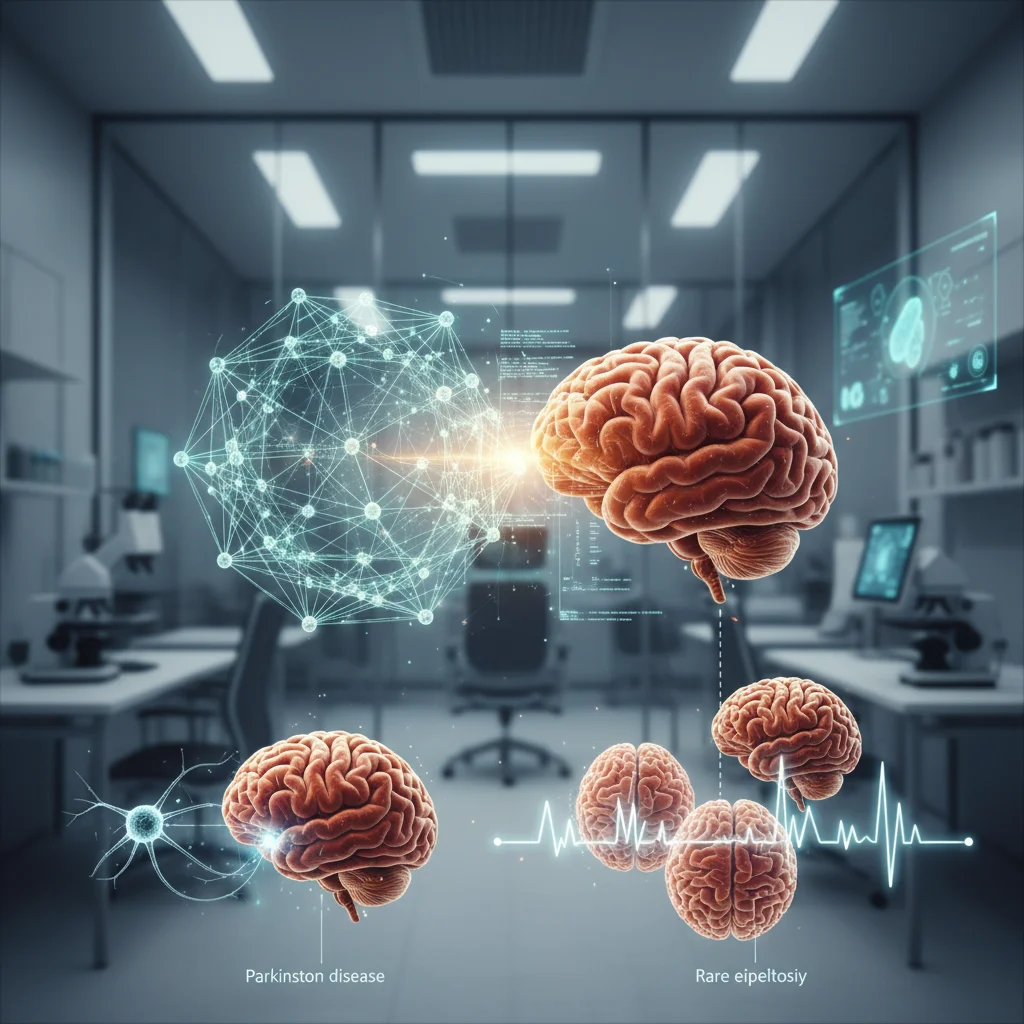
AI and brain organoids are being aimed at Parkinson's disease and rare genetic epilepsies after Lunai Bioworks' BioSymetrics and BrainStorm Therapeutics disclosed a May 28, 2026 discovery collaboration. The work sits beside FDA draft guidance on new approach methodologies, not a near-term approval.
Contents10 sections
Key Takeaways
- BioSymetrics (Lunai, NASDAQ: LNAI) and BrainStorm Therapeutics signed an LOI on May 28, 2026 to combine AI target discovery with human organoid models.
- Initial focus includes Parkinson's disease midbrain organoids plus PPMI dataset analysis, and rare genetic epilepsies.
- A LouLou Foundation grant supports the flagship epilepsy program; company-to-company financial terms were not disclosed.
- Partners frame the approach against FDA interest in NAMs that reduce reliance on traditional animal toxicology defaults.
What did the companies announce?
According to the May 28, 2026 PR Newswire release, Lunai's wholly owned subsidiary BioSymetrics and BrainStorm Therapeutics will jointly discover, validate, and advance novel therapeutic targets for neurological diseases.
The stack pairs BioSymetrics' AI-driven target discovery and zebrafish in vivo validation with BrainStorm's proprietary human-derived organoid systems. The companies say they intend to create partnerable neurology programs for licensing and downstream development.
How does the Parkinson's disease workstream operate?
For Parkinson's disease, the collaboration integrates BrainStorm's midbrain organoid foundation model with BioSymetrics' analysis of the Parkinson's Progression Markers Initiative (PPMI) dataset. The stated goal is to identify progression-associated biomarkers and therapeutically actionable targets.
That design targets dopaminergic neuron biology lost in Parkinson's disease, but it remains a discovery engine. No Phase 2/3 readout, endpoint win, or disease-modifying claim appears in the release.
Why does rare epilepsy funding matter?
In a flagship program, BioSymetrics and BrainStorm, with Dr. Calum MacRae at Brigham and Women's Hospital and Harvard Medical School, received LouLou Foundation funding to identify novel approaches for a rare genetic epilepsy. The grant amount was not stated in the wire copy.
Earlier drafts of this article incorrectly attributed funding to the Michael J. Fox Foundation and dated the deal to June 6, 2024. Those claims are removed because they conflict with the primary May 28, 2026 release.
How do FDA NAMs relate to organoid AI programs?
The partners say the collaboration aligns with FDA encouragement of new approach methodologies (NAMs) that improve human translational relevance. FDA's March 2026 draft guidance press announcement describes validation principles for NAMs used instead of—or to reduce—animal testing in drug development.
FDA's General Considerations for the Use of NAMs in Drug Development draft stresses context of use, human biological relevance, technical characterization, and fit-for-purpose. The guidance does not automatically clear organoid-AI discovery platforms as clinical evidence.
Implications for pharma BD and competitive intelligence
CNS programs still fail often in the clinic, so human-relevant models are attractive for partnering screens. Buyers should demand assay validation packages, COU statements, and reproducibility data before treating organoid hits as IND-ready.
- Ask whether organoid endpoints map to a regulatory COU or remain discovery-only.
- Separate LouLou Foundation support from any claim of MJFF sponsorship.
- Track whether future IND packages cite NAMs under the 2026 draft framework.
What remains unproven?
The announcement does not disclose clinical efficacy in Parkinson's disease or epilepsy, does not name a lead IND candidate with a PDUFA date, and does not prove that organoid-AI hits will reduce Phase 2 failure rates. Until peer-reviewed or regulator-reviewed packages appear, treat the collaboration as early translational R&D.
Related NovaPharma coverage
- Eli Lilly Gene Therapy and Cholesterol Deals
- May 2026 Regulatory Actions: Key Pharma Updates
- Navigating the 2026 Cell Therapy Regulatory Landscape
Frequently Asked Questions
What did Lunai and BrainStorm announce for Parkinson's disease?
On May 28, 2026, Lunai Bioworks' BioSymetrics unit and BrainStorm Therapeutics announced a strategic collaboration and letter of intent to discover and validate neurology targets, including Parkinson's disease, using AI phenomics plus human brain organoids.
Who is funding the rare epilepsy program in the collaboration?
The companies said a LouLou Foundation grant supports a flagship rare genetic epilepsy program with Dr. Calum MacRae at Brigham and Women's Hospital and Harvard Medical School. Financial terms between the companies were not disclosed in the release.
Does the collaboration mean an approved Parkinson's therapy?
No. The announcement covers early discovery and validation work. It does not report clinical efficacy, a new drug application, or an FDA approval for a Parkinson's disease or epilepsy medicine.
Primary Sources
Sources & references 1 primary sources
Sources verified at publication. See our editorial policy and data sources.
This article follows our editorial standards. Report a correction via editorial contact.