
Eli Lilly's New Gene Therapy and Strategic Deals: Insights for Investors

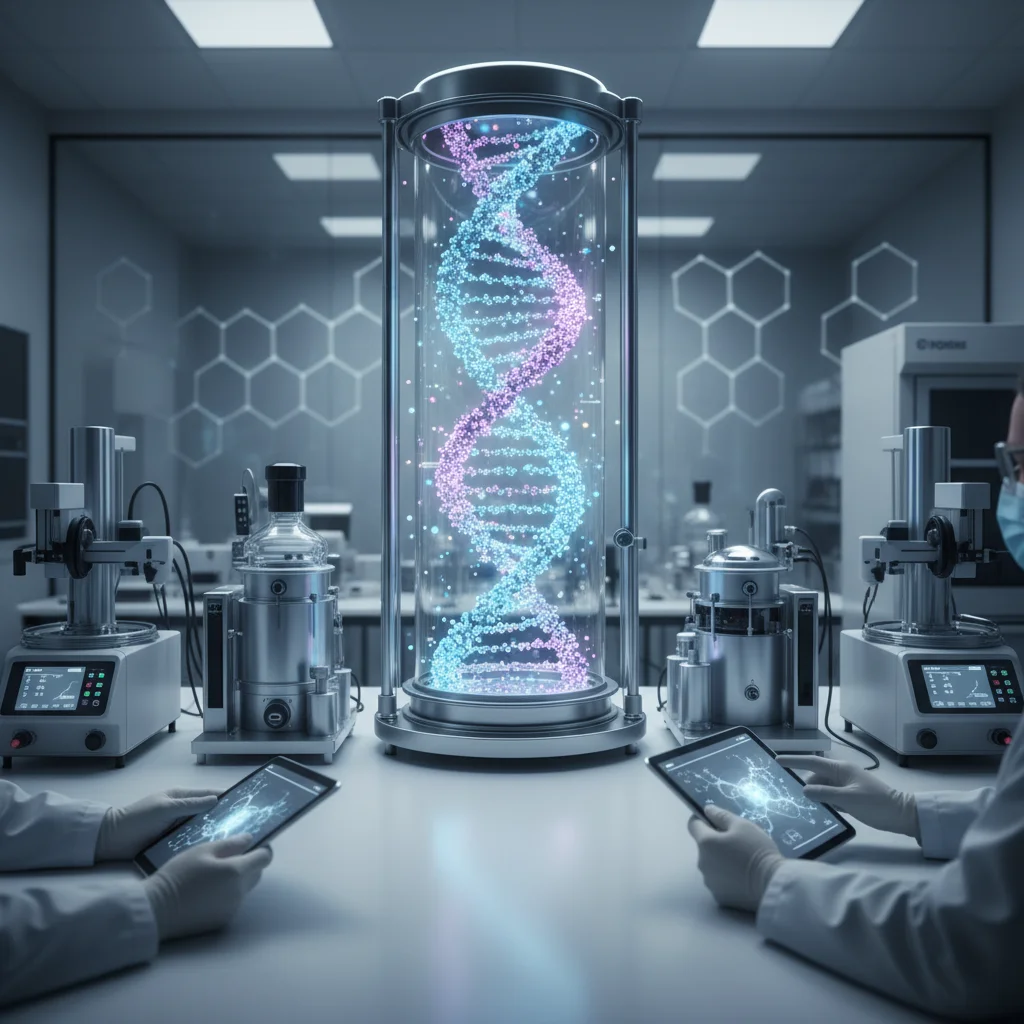
Decision brief
Answer first · skim in under a minute
Eli Lilly is making headlines with a new gene therapy for cholesterol and several strategic deals. This article breaks down the implications for business development teams and investors.
Eli Lilly's gene therapy push for high cholesterol now centers on VERVE-102, an in vivo PCSK9 base editor that cut LDL-C by up to 62% in Phase 1b Heart-2 after Lilly completed its Verve Therapeutics acquisition in July 2025.
Contents10 sections
Key Takeaways
- Lilly completed the Verve Therapeutics acquisition on July 25, 2025, folding cardiovascular gene-editing assets into its cardiometabolic franchise.
- VERVE-102 is studied in Heart-2 (NCT06164730) in adults with heterozygous familial hypercholesterolemia or premature coronary artery disease.
- May 25, 2026 interim data showed dose-dependent PCSK9 cuts up to 88% and LDL-C cuts up to 62% after one infusion in 35 participants.
- Results were published in the New England Journal of Medicine alongside an EAS late-breaker; Lilly said it plans Phase 2 by year-end 2026.
What is the big picture for Lilly gene therapy?
Lilly is treating one-time gene editing as a strategic complement to chronic cardiometabolic drugs, not a side experiment.
By buying Verve, Lilly secured an in vivo base-editing platform aimed at permanently lowering PCSK9, a validated pathway already served by monoclonal antibodies and siRNA products that require ongoing dosing.
For investors, the thesis is simple: if a single infusion can mimic lifelong PCSK9 loss-of-function genetics, Lilly could compete on durability rather than refill frequency.
What did the Verve acquisition change?
On July 25, 2025, Lilly said it completed the acquisition of Verve Therapeutics, a Boston clinical-stage company developing genetic medicines for cardiovascular disease.
Earlier deal coverage valued the transaction at up to about $1.3 billion. Exact closing cash and contingent consideration should be read from Lilly's subsequent SEC filings rather than secondary summaries.
The acquisition gave Lilly ownership of VERVE-102 and related PCSK9 editing know-how after Verve had already started Phase 1b dosing.
What does Heart-2 say about VERVE-102 efficacy?
Heart-2 (NCT06164730) is an open-label, single-ascending-dose Phase 1b study of one intravenous VERVE-102 infusion in adults with heterozygous familial hypercholesterolemia (HeFH) or premature coronary artery disease who need more LDL-C lowering.
According to Lilly's May 25, 2026 PR Newswire release, 35 participants across six dose cohorts (0.3 to 1.0 mg/kg total RNA) received the planned dose and had at least 28 days of follow-up.
At the top dose, mean PCSK9 fell by up to 88% and LDL-C by up to 62%, with an absolute LDL-C reduction of 78 mg/dL reported at that cohort. Fifteen participants had at least one year of follow-up as of the February 27, 2026 data cut.
The same dataset appears in the New England Journal of Medicine report titled "In Vivo Base Editing of PCSK9 with VERVE-102 for Hypercholesterolemia," which lists ClinicalTrials.gov NCT06164730.
What safety signals were disclosed?
Lilly and the NEJM authors reported no dose-limiting toxicities in the interim set.
Mild-to-moderate infusion-related reactions occurred. Aspiration pneumonitis was reported in a participant with gastroesophageal reflux disease.
These are early-phase safety observations. Larger Phase 2 and outcomes trials are still required before any claim of cardiovascular event reduction can be made.
How should BD and competitor teams respond?
Competitors in LDL-C lowering should model VERVE-102 as a durability threat to chronic PCSK9 inhibitors if Phase 2 confirms effect size and tolerability.
Business-development teams watching ASCVD gene editing should track three near-term gates: Phase 2 start timing, FDA interaction after Fast Track designation (as Lilly disclosed), and long-term follow-up out to 15 years that Heart-2 participants are expected to enter.
Partnering options narrow once a big-pharma owner controls the asset. Rival platforms will need either better editing precision claims or clearer manufacturing cost advantages.
What should investors watch next?
Watch for Phase 2 protocol details, dose selection from Heart-2, and any update to Lilly's cardiometabolic guidance language.
Also watch durability beyond 12–18 months and whether LDL-C rebound appears. The May 2026 release said Lilly plans to start Phase 2 by the end of 2026.
Trial registry context remains public on ClinicalTrials.gov NCT06164730.
Related NovaPharma coverage
- Gene therapy disease and modality hub
- Cholesterol disease intelligence hub
- Related US regulatory coverage
Frequently Asked Questions
What is VERVE-102?
VERVE-102 is an investigational in vivo base-editing gene therapy designed to turn off the PCSK9 gene in the liver after a single intravenous infusion, lowering LDL cholesterol.
What did Heart-2 show for VERVE-102?
In an interim Phase 1b Heart-2 analysis of 35 adults, a single VERVE-102 dose reduced PCSK9 by up to 88% and LDL-C by up to 62% at the highest dose cohort, with effects reported as durable in longer follow-up.
When did Lilly complete the Verve Therapeutics acquisition?
Eli Lilly announced completion of its acquisition of Verve Therapeutics on July 25, 2025, bringing VERVE-102 and related cardiovascular gene-editing programs in-house.
Primary Sources
Eli Lilly pipeline snapshot
One-screen view of active programs, phases, and recent catalysts from public sources.
Entity graph
Continue Exploring
Open the drugs, companies, and topics behind this story.
Sources & references 1 primary sources
Sources verified at publication. See our editorial policy and data sources.
This article follows our editorial standards. Report a correction via editorial contact.

Deeper reading
Industry reports & whitepapers
- FDA CBER Patient Listening Meeting on Gene Therapy Safety: Patient and Care Partner Perspectives — Patient and care partner perspectives inform FDA’s thinking on approved gene therapy safety and long…