Listeria Outbreak Soft Cheese FDA Probe

Decision brief
Answer first · skim in under a minute
FDA reports 12 illnesses, 10 hospitalizations, and 1 death in a multistate Listeria outbreak linked to requesón/soft cheese, with expanded Clover Hill Dairy recalls.
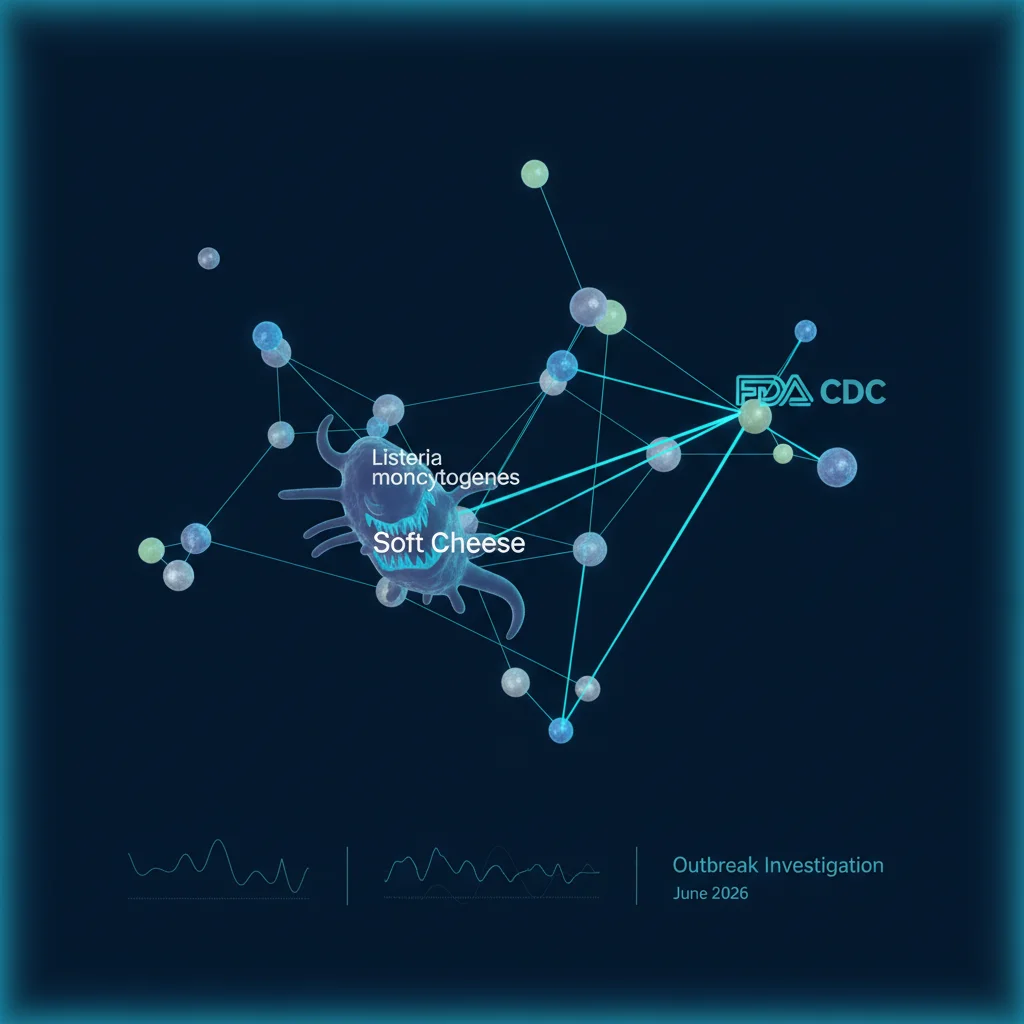
FDA and CDC are investigating a multistate Listeria monocytogenes outbreak linked to requesón and other soft cheeses. As of FDA’s June 29, 2026 product update, the agency reports 12 illnesses, 10 hospitalizations, and one death, with expanded recalls beyond the initial Clover Hill Dairy requesón pull.
Contents10 sections
Key Takeaways
- FDA case counts: 12 illnesses, 10 hospitalizations, 1 death; last specimen collection June 2, 2026; cases from 4 states.
- Six requesón product samples tested positive for Listeria matching the outbreak strain; environmental positives were also reported in earlier investigation updates.
- Clover Hill Dairy expanded its June 2026 recall to all cheese products; distributors and retailers issued related pulls in MD, VA, DC, NY, and other states.
- High-risk groups should avoid queso fresco-type cheeses entirely while the investigation remains open.
What does the FDA outbreak investigation show?
FDA’s public page, Outbreak Investigation of Listeria monocytogenes: Soft Cheese (June 2026), classifies the event as ongoing and advises the public not to eat, sell, or serve recalled cheeses.
Illness timing spans years: sick people’s samples were collected from March 6, 2023, through June 2, 2026. That multi-year window is typical for Listeria whole-genome sequencing clusters and does not mean continuous retail distribution of a single lot across the entire period.
Among interviewed patients, most reported eating requesón or soft ricotta-style cheese; a subset specifically named Clover Hill Dairy product. FDA states epidemiologic, laboratory, and traceback data show some Clover Hill Dairy requesón cheeses are contaminated and are making people sick.
Which recalls have been announced?
Key FDA-documented recall milestones:
- June 3–5, 2026: Clover Hill Dairy requesón/soft ricotta recall; Nelson & Isa Lacteos recalled distributor requesón sold in New York retail from May 15–May 28, 2026.
- June 18, 2026: Clover Hill Dairy expanded recall to all cheese products made at the firm (requesón, cuajada, hard cheeses). Products may be relabeled under brands such as Kesso, Quesos la Ricura, Izalco, De mi Pueblo, or Rio Lindo.
- June 26, 2026: La Ceiba Foods Latin Market Inc. recalled Requeson Salvadoreño and Requeson Mexicano under La Colonia and Selectos Latinos brands distributed May 11–June 1, 2026, in Maryland, Virginia, and Washington, D.C.
Clover Hill products were sold from the firm’s retail market, farmers markets, and third-party distributors in Maryland, New Jersey, New York, North Carolina, Virginia, and Washington, D.C., with possible further redistribution.
What laboratory evidence links product to patients?
FDA reports that agency and state partners collected product and environmental samples. To date, six requesón product samples tested positive for Listeria monocytogenes matching the outbreak strain. Whole-genome sequencing is the method FDA and CDC use to confirm that product isolates match clinical isolates.
Earlier FDA narrative updates also described environmental sampling positives during the investigation. Teams should treat product-to-patient WGS matches—not brand rumors—as the evidentiary core.
What should high-risk patients and providers do?
FDA reiterates that Listeria most severely affects pregnant people and newborns, adults aged 65 or older, and people with weakened immune systems. For those groups, FDA recommends avoiding any queso fresco-type cheese, including soft ricotta/requeson, during this outbreak—not only named recalled SKUs.
Symptoms of listeriosis usually start within two weeks after eating contaminated food but can appear the same day or as late as 10 weeks later. Mild illness may include fever, muscle aches, nausea, and diarrhea; invasive disease can cause headache, stiff neck, confusion, loss of balance, or convulsions. Patients with severe symptoms should contact a clinician promptly.
Retailers and clinics that handled recalled cheese should clean and sanitize surfaces using FDA cross-contamination guidance; Listeria can grow at refrigerator temperatures.
Why does this matter for pharma and medical-affairs teams?
Soft fresh Hispanic-style cheeses are a recurring Listeria vehicle. FDA previously published a prevention strategy for soft fresh queso fresco-type cheeses after multiple CORE investigations between 2014 and 2021, including a 2021 outbreak that sickened 13 people. The 2026 event reinforces that pasteurized-milk cheeses can still become contaminated in the manufacturing environment.
For hospital nutrition, transplant, oncology, and obstetric programs, the actionable message is diet restriction plus recall surveillance—not a drug-label change. Companion coverage on NovaPharma tracks related FDA/CDC soft-cheese recall analysis for BD and quality teams.
What remains unproven?
FDA says it is still determining whether additional cheeses beyond the named recalls are linked. Case counts will rise as laboratories finish WGS on recent specimens. Public pages do not assign a final contamination root cause (equipment niche, post-pasteurization handling, or other) in the consumer-facing summary.
Related NovaPharma coverage
- Listeria Outbreaks 2026: FDA and CDC Soft Cheese Recall Analysis
- CDC Ebola outbreak Central Africa coverage
- FDA approves OTC Rextovy for opioid overdose
Frequently Asked Questions
How many illnesses has FDA reported in the June 2026 soft-cheese Listeria outbreak?
FDA’s outbreak page lists 12 total illnesses, 10 hospitalizations, and 1 death, with the last specimen collection date of June 2, 2026, and cases reported from 4 states.
Which cheeses are linked to the outbreak?
Epidemiologic and laboratory data implicate requesón/soft ricotta-style cheeses supplied by Clover Hill Dairy. FDA and state partners found Listeria matching the outbreak strain in six product samples of requesón.
Who should avoid queso fresco-type cheeses during this outbreak?
FDA says people at higher risk for severe listeriosis—pregnant people, adults 65 or older, and those with weakened immune systems—should not eat any queso fresco-type cheese, including soft ricotta/requeson.
Primary Sources
Sources & references 1 primary sources
Sources verified at publication. See our editorial policy and data sources.
This article follows our editorial standards. Report a correction via editorial contact.