SGS Expands Bioanalytical Testing Capabilities


Decision brief
Answer first · skim in under a minute
SGS has acquired CMIC, INC., a Chicago-based bioanalytical testing firm, expanding its North American capabilities. The move follows the Keystone Bioanalytical acquisition and signals SGS's commitment to end-to-end drug development lifecycle testing.
SGS expands bioanalytical testing capabilities in North America by acquiring CMIC, INC., a Chicago GLP lab announced June 3, 2026. Coming one month after Keystone Bioanalytical, the deal is a capacity and modality play for sponsors that outsource PK, biomarker, and biologics bioanalysis.
Contents10 sections
Key Takeaways
- SGS announced acquisition of CMIC, INC. on June 3, 2026 (PR Newswire).
- CMIC’s Chicago site is described as a 27,000 square foot GLP-compliant bioanalytical facility founded in 2010.
- Keystone Bioanalytical (Philadelphia) was acquired May 4, 2026—second NA bioanalytical buy in about 30 days.
- SGS ties both deals to Strategy 27: double North American sales between 2023 and 2027.
What did SGS announce on June 3, 2026?
SGS said it acquired CMIC, INC., a specialized bioanalytical testing provider based in Chicago, Illinois. The company was established in 2010 and supports North American pharma and biotech manufacturers bringing biologics and other specialized therapeutics to market.
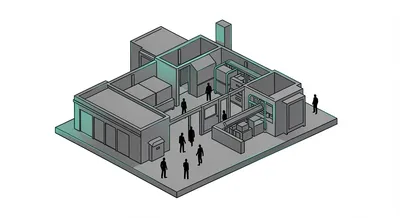
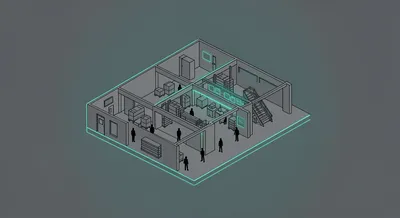
The release states CMIC’s 27,000 square foot GLP-compliant facility delivers bioanalysis across preclinical and clinical phases and can handle high-volume projects with quick turnaround.
Primary: SGS–CMIC acquisition (PR Newswire).
How does the Keystone deal set up this expansion?
On May 4, 2026, SGS announced it acquired Keystone Bioanalytical in Philadelphia. That PR Newswire release framed Keystone as a GLP-focused bioanalysis provider for small and large molecule development, including biomarker work.
Together, the May 4 and June 3 announcements show SGS stacking North American bioanalytical capacity in under five weeks. Neither release disclosed purchase price in the public wire copy reviewed for this article.
Primary: SGS–Keystone acquisition (PR Newswire).
Why Strategy 27 matters for vendor diligence
Both wires link the buys to SGS Strategy 27, which aims to double North American sales between 2023 and 2027. For procurement and clinical ops teams, that goal signals continued lab-network build-out—not a one-off tuck-in.
Sponsors should still validate method transfer timelines, IT system integration, and quality-agreement ownership after closing. Public wires do not detail those operational steps.
What regulatory bar still governs outsourced bioanalysis?
FDA’s Bioanalytical Method Validation guidance remains the core U.S. expectation for method development, validation, and study sample analysis used in regulatory submissions.
Even when a TIC major expands footprint, assay fitness still rests on method SOPs, validation reports, and inspection readiness—not press-release square footage alone.
Guidance: FDA Bioanalytical Method Validation guidance.
Implications for pharma and biotech teams
Outsourcing demand for biologics, oligonucleotides, and high-throughput clinical bioanalysis is the demand story SGS cites. A larger network can help when studies need parallel LC-MS/MS capacity or when sponsors want one vendor for preclinical-to-clinical handoffs.
Practical next steps: ask whether CMIC methods and LIMS stay under prior SOPs during transition; confirm Chicago capacity for your molecule class; and re-baseline turnaround SLAs after the May–June 2026 acquisitions settle.
Procurement teams should also request a written map of which legal entity holds the quality agreement after closing, how CAPA history transfers, and whether Method Validation summaries will be re-issued on SGS letterhead. Those operational details rarely appear in acquisition wires but decide whether a mid-study vendor change is low-risk.
For multi-region programs, align U.S. FDA method validation expectations with your EU or Canada filing plan early. The June 3, 2026 CMIC announcement is a North America capacity story; it does not by itself prove global method harmonization across SGS’s other bioanalytical sites.
What the wires do not prove
Public releases do not state deal value, employee count retained, or measured capacity uplift versus 2025 baselines. Do not invent synergy percentages or “market share” claims from the announcement language.
Treat “SGS expands bioanalytical testing capabilities” as a verified capacity narrative backed by facility facts (27,000 sq ft; GLP; Chicago; 2010 founding)—not as evidence of superior assay performance versus peers.
If your program already uses Keystone or CMIC methods under prior ownership, schedule a 2026 transfer impact review covering sample chain-of-custody, reference standard custody, and archival of raw chromatographic data before the next pivotal study milestone.
Related NovaPharma coverage
- AbbVie–Cerevel acquisition closes
- FDA Salmonella moringa leaf powder recall
- Obesity rates in America by year
Frequently Asked Questions
When did SGS acquire CMIC, INC.?
SGS announced the acquisition of CMIC, INC. on June 3, 2026, via PR Newswire. CMIC is a Chicago-based bioanalytical testing provider established in 2010.
What lab capacity did CMIC add to SGS?
According to the PR Newswire release, CMIC operates a 27,000 square foot GLP-compliant facility supporting preclinical and clinical bioanalysis for biologics and other specialized therapeutics.
How does this relate to the Keystone Bioanalytical deal?
SGS acquired Keystone Bioanalytical on May 4, 2026. The CMIC deal one month later is the second North American bioanalytical acquisition disclosed in that window under Strategy 27.
Primary Sources
Sources & references 1 primary sources
Sources verified at publication. See our editorial policy and data sources.
This article follows our editorial standards. Report a correction via editorial contact.