Philips Partners with Disney to Alleviate MRI Anxiety in Children

Decision brief
Answer first · skim in under a minute
Philips has partnered with Disney to create a more comforting MRI experience for children. This innovative approach aims to reduce anxiety and improve patient outcomes.
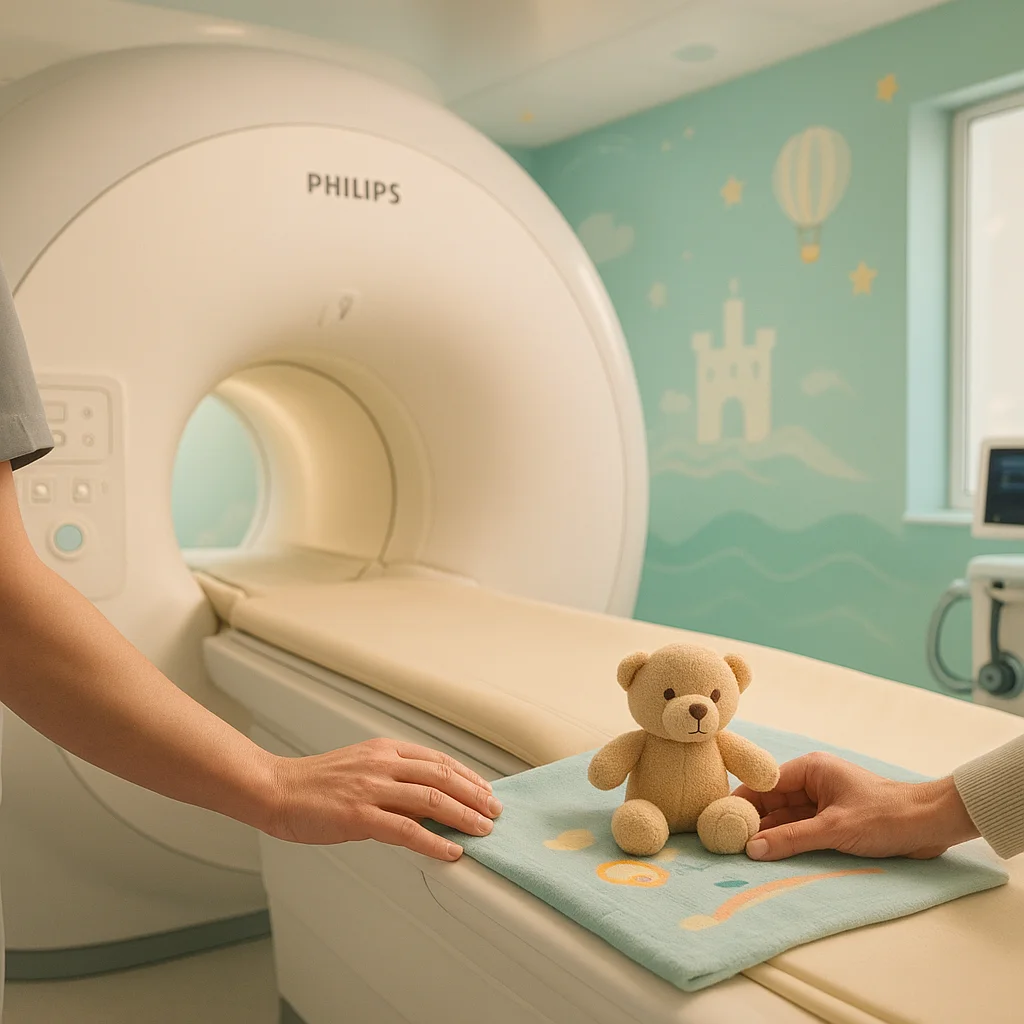
Philips Partners with Disney to Alleviate MRI Anxiety in Children by embedding Disney Ambient Experience themes in MRI suites across 87 countries, aiming to cut pediatric stress that drives rescans and sedation.
Contents11 sections
Key Takeaways
- On May 28, 2026, Philips and Disney said Disney stories will run inside Philips Ambient Experience for MRI in 87 countries.
- A six-hospital European study reported 43% lower post-scan stress for ages 6–10 versus pre-exam, and 63% fewer scan pauses.
- Philips cites survey data that 66% of pediatric patients report MRI anxiety, which can force rescans or sedation.
- Disney said it provided the clinical imagery at no cost as part of a broader $100 million children’s hospital commitment.
What did Philips and Disney announce for pediatric MRI?
On May 28, 2026, Royal Philips and The Walt Disney Company announced that Disney animated characters and stories are being integrated into Philips Ambient Experience for MRI at facilities in 87 countries.
The goal is practical: help children stay calmer and still during noisy scans that can last up to 40 minutes, so more exams finish without rescans or sedation.
How large is the pediatric MRI anxiety problem?
Philips said 66% of pediatric patients report feeling anxious during MRI exams. Anxiety and claustrophobia can trigger longer procedures, aborted scans, and sedation demand that slows daily throughput.
For hospital radiology directors, every failed first-pass pediatric MRI is both a clinical delay and a capacity tax on scarce scanner time.
What evidence supports Disney-themed Ambient Experience?
A multicenter study across six European hospitals, summarized in the May 28, 2026 GlobeNewswire release, reported that for children ages 6–10, post-scan stress fell 43% versus pre-exam levels.
The same summary said scan pauses dropped 63% versus procedures without the intervention. Those are operational metrics, not claims of diagnostic superiority.
- Stress reduction: 43% (ages 6–10)
- Scan pause reduction: 63%
- Geographic rollout: 87 countries
Why this matters for medtech and hospital buyers
Philips said Ambient Experience for MRI is currently the exclusive MRI platform using these Disney themes. Early adopters named in the release include Rady Children’s Health in Orange County and Calderdale Royal Hospital, plus the European pilot hospitals.
Competitors cannot copy the Disney IP layer easily. They can still compete on coil design, scan speed, helium-free magnets, and other coaching apps that reduce sedation rates.
What remains unproven for investors
The press materials do not publish a randomized, peer-reviewed endpoint package proving higher diagnostic yield or lower total cost of care at U.S. scale. Disney’s $100 million hospital commitment is philanthropic context, not a revenue forecast for Philips MRI systems.
Buyers should demand local data on sedation rate, first-pass completion, and room turnover before treating Ambient Experience themes as a capital-budget cornerstone.
Implications for pediatric imaging strategy
Patient-experience features are now part of competitive RFPs alongside field strength and AI reconstruction. CI teams should track whether GE HealthCare, Siemens Healthineers, and Canon respond with their own licensed entertainment stacks or clinical coaching tools.
For related imaging and pediatric care coverage, see NovaPharma’s Dupixent COPD approval analysis and pipeline hubs that sit next to hospital capital planning.
How hospitals should measure Ambient Experience ROI
Procurement teams should baseline pediatric sedation rates, first-pass completion, and average room turnover for three months before installation. After go-live, compare the same metrics for ages 6–10 versus older children who may engage less with the themes.
Finance partners care about cancelled slots and overtime staffing more than brand warmth. If rescans fall from the 65% range cited in older Ambient Experience materials toward the mid-40% range referenced in Philips consumer pages, the capital case strengthens—but only with local numbers, not brochure averages.
Training also matters. Technologists need scripts that offer theme choice without extending setup past the allotted slot. Disney Institute hospital training mentioned in the release is a people investment, not a scanner SKU.
For competitive RFPs in 2026, ask vendors for sedation-rate evidence, helium logistics, and AI reconstruction speed in the same scoring sheet. Experience themes win attention; physics and workflow still win the purchase order when budgets tighten.
Related NovaPharma coverage
- Biogen and Eisai expand Leqembi access
- FDA approves Dupixent for COPD
- Modernizing patient support for young adult cancer
Frequently Asked Questions
Where is Philips Ambient Experience with Disney themes available?
Philips and Disney said on May 28, 2026 that Disney stories and characters are being incorporated into Philips Ambient Experience for MRI at medical facilities in 87 countries.
What stress and workflow results did the European study report?
For children ages 6–10, the multicenter European study summary reported 43% lower post-scan stress versus pre-exam and 63% fewer scan pauses versus procedures without the intervention.
Did Disney charge hospitals for the clinical imagery?
According to the May 28, 2026 announcement, Disney provided the art and imagery used in Philips Ambient Experience at no cost as part of its children’s hospital support commitment.
Primary Sources
Sources & references 1 primary sources
Sources verified at publication. See our editorial policy and data sources.
This article follows our editorial standards. Report a correction via editorial contact.