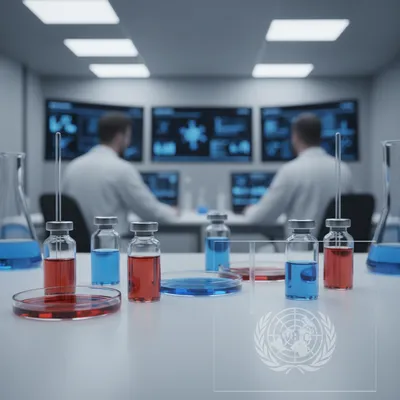
Ebola Outbreak Worsens: Implications for Women and Girls
The ongoing Ebola outbreak poses significant risks, particularly for women and girls. This article explores the implications for the pharmaceutical industry.
Quick Answer
The ongoing Ebola outbreak poses significant risks, particularly for women and girls. This article explores the implications for the pharmaceutical industry.
Contents6 sections
Ebola Outbreak Worsens: Implications for Women and Girls
The Ebola outbreak is worsening—a stark reality with serious risks, particularly for women and girls. This article? It's about the implications for the pharmaceutical industry. The escalating crisis presents both challenges and, yes, opportunities for pharma companies. The commercial impact is the big question. How can companies adapt their strategies? These are critical questions. Strategic decision-making depends on it.
What are the Key Takeaways?
Three immediate impacts stand out, actually. First, the Ebola outbreak is escalating—more cases reported daily. Second, women and girls face unique health and social risks during outbreaks. Third, pharmaceutical companies must adapt strategies to address these emerging challenges. Simple as that.
What Happened in the Latest Ebola Outbreak?
The recent surge in Ebola cases has raised alarms—globally. It's not just about the rising numbers either. Reports indicate that the outbreak is worsening, disproportionately affecting vulnerable populations, particularly women and girls. Healthcare systems are under immense strain. Resources? Stretched thin. The ripple effects are far-reaching, that's for sure.
Specifically, women often bear the brunt of caregiving responsibilities. That increases their risk of infection. Girls may face disruptions in education and increased vulnerability to exploitation. These factors exacerbate the already dire situation, demanding targeted interventions. The need is urgent.
How Does This Impact Pharmaceutical Teams?
Pharmaceutical teams need to quickly assess the commercial implications of the outbreak. Potential shifts in drug demand are inevitable. Targeted interventions are essential, yes. Understanding the unique challenges faced by women and girls can inform product development and marketing strategies. Think beyond just treatment, though. Consider prevention and supportive care. It matters.
— Crucially, supply chain resilience is paramount. Can existing supply chains handle increased demand? Are there alternative sourcing options available? What about distribution challenges in affected regions? These are not trivial questions.
Here's what pharma must consider:
- R&D Focus: Prioritize research into rapid diagnostics and effective treatments tailored to vulnerable populations.
- Supply Chain Security: Ensure strong and resilient supply chains to maintain drug availability.
- Community Engagement: Partner with local organizations to build trust and facilitate access to healthcare.
- Data Collection and Analysis: Improve data collection to understand the specific needs of women and girls during outbreaks.
- Advocacy: Advocate for policies that protect vulnerable populations and strengthen healthcare systems.
The outbreak demands a proactive and adaptive approach. That's just the reality of it.
What's Next?
Expect increased scrutiny from regulatory bodies and public health organizations. Pharma companies will be under pressure to demonstrate their commitment to addressing the crisis. Collaboration is key here. Partnerships between industry, governments, and NGOs will be essential for an effective response. The coming weeks will be critical in shaping the trajectory of the outbreak and the pharmaceutical industry's role in mitigating its impact. The stakes are high.
Related coverage
Sources & references 1 primary sources
Sources verified at publication. See our editorial policy and data sources.
This article follows our editorial standards. Report a correction via editorial contact.