China’s Licensing Boom: A Shift in Global Pharma Pipelines

Decision brief
Answer first · skim in under a minute
China's recent surge in licensing agreements is transforming the global pharmaceutical landscape. This article analyzes the market implications for BD teams and investors.
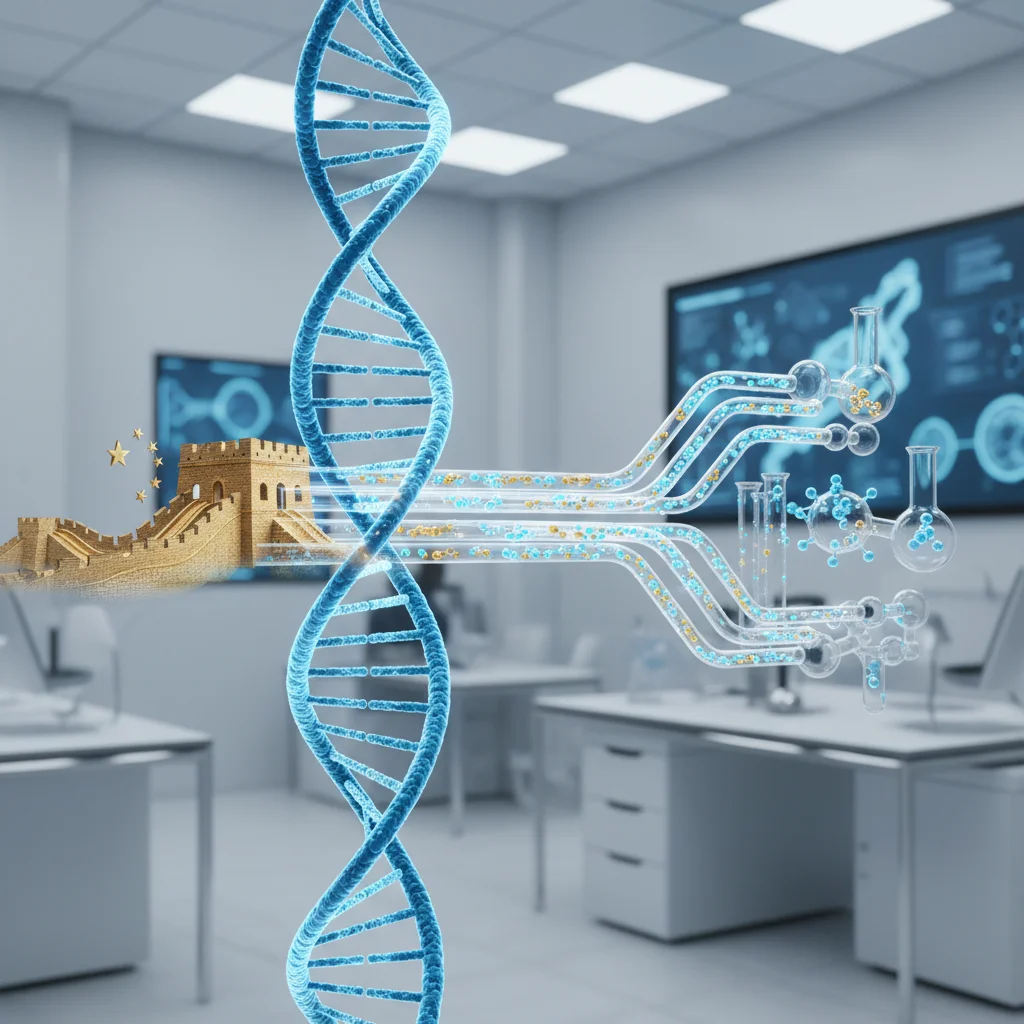
China's licensing boom is reshaping global pharma pipelines as U.S. and European sponsors in-license Chinese clinical assets at accelerating pace, with Reuters tallying 14 U.S. deals potentially worth $18.3 billion through June 2025 alone.
Contents10 sections
Key Takeaways
- Through June 2025, U.S. firms signed 14 China-origin licenses potentially worth $18.3 billion, versus two a year earlier.
- Pfizer's May 2025 3SBio deal included $1.25 billion upfront and up to $4.8 billion in milestones for SSGJ-707.
- Merck and Novo each struck up-to-$2 billion China cardiometabolic licenses in March 2025.
- Nature coverage frames China as a rising source of innovative assets for big-pharma R&D pipelines.
How big is the China licensing boom?
A June 16, 2025 Reuters report said U.S. drugmakers had signed 14 deals potentially worth $18.3 billion to license drugs from China-based companies through June, compared with only two such deals in the year-earlier period, citing GlobalData figures provided to Reuters.
Reuters also quoted industry bankers estimating that roughly one-third of large-pharma licensed assets in 2024 came from China, with that share potentially rising toward 40% to 50%.
What did Pfizer pay for 3SBio's SSGJ-707?
In May 2025, Reuters reported Pfizer licensed experimental cancer candidate SSGJ-707 from 3SBio for $1.25 billion upfront and up to another $4.8 billion if milestones are met, plus a planned $100 million equity stake after closing.
The license covers development, manufacturing, and commercialization globally excluding China, with an option for China commercialization rights. 3SBio said the candidate had U.S. FDA IND clearance and was in multiple China trials, with a first China Phase 3 planned that year.
Which cardiometabolic deals followed the same pattern?
In March 2025, Reuters reported Merck licensed Jiangsu Hengrui's oral heart-disease candidate HRS-5346 for a $200 million upfront and up to $1.77 billion in milestones, for rights worldwide except Greater China.
The same month, Novo Nordisk licensed United Laboratories' triple-G obesity candidate UBT251 for a $200 million upfront and up to $1.8 billion in milestones, retaining certain Greater China rights with the Chinese partner.
Why are Western pipelines leaning on Chinese assets?
A Nature article on China's flow of innovative assets into big-pharma R&D pipelines attributes the surge to regulatory reforms, R&D investment, and academic talent creating a denser supply of clinical-stage programs.
For BD teams, the commercial pattern is consistent: buy global rights excluding Greater China at lower early-stage cost, then fund global Phase 2/3 under Western CMC and regulatory standards.
What remains uncertain for investors
Headline biobucks are not cash. Upfronts are real; most milestone totals depend on clinical and commercial success that may never arrive.
Trade-policy risk, manufacturing localization rules, and cross-border data transfer constraints can still slow IND bridging even when a Chinese Phase 1/2 package looks competitive on paper.
Implications for competitive intelligence
CI teams should track China-origin ADCs, bispecifics, and incretin combinations as seriously as U.S. venture pipelines. Related coverage includes NovaPharma's COINS Act and China biotech licensing analysis.
Also watch how U.S. FDA filing cadence for China-origin assets compares with EMA and Japan timelines once Phase 3 reads out.
Related NovaPharma coverage
- COINS Act expansion and China biotech licensing
- Eli Lilly gene therapy and cholesterol deals
- Biotech, AI capital efficiency, and China
Frequently Asked Questions
How large was U.S. licensing from China in early 2025?
Reuters reported that through June 2025, U.S. drugmakers signed 14 deals potentially worth $18.3 billion to license drugs from China-based companies, versus two such deals in the year-earlier period.
What were the terms of Pfizer's 3SBio cancer deal?
Pfizer agreed to pay $1.25 billion upfront and up to another $4.8 billion in milestones for global rights (excluding China) to 3SBio's SSGJ-707, plus a planned $100 million equity investment.
Which other large China licenses closed in 2025?
Examples include Merck's up-to-$2 billion Hengrui heart-drug license with a $200 million upfront, and Novo Nordisk's up-to-$2 billion United Laboratories triple-G obesity license with a $200 million upfront.
Primary Sources
Sources & references 1 primary sources
Sources verified at publication. See our editorial policy and data sources.
This article follows our editorial standards. Report a correction via editorial contact.