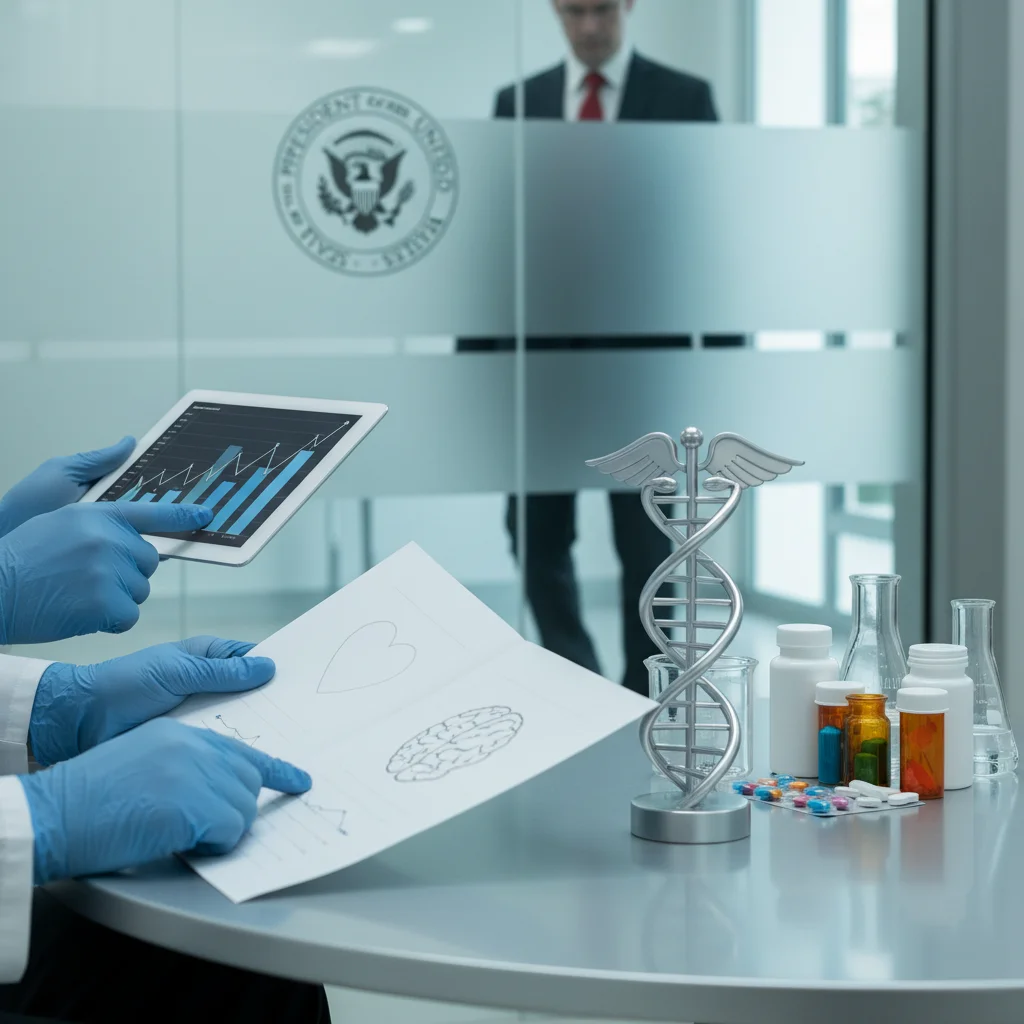
Trump's Annual Physical: Implications for Pharma Stakeholders
As Trump undergoes his annual physical, the implications for the pharmaceutical industry are significant. This article explores what pharma teams should consider.
Quick Answer
As Trump undergoes his annual physical, the implications for the pharmaceutical industry are significant. This article explores what pharma teams should consider.
Contents5 sections
Trump's Annual Physical: Implications for Pharma Stakeholders
As Trump undergoes his annual physical, the implications for the pharmaceutical industry are significant. This article explores what pharma teams should consider. The health disclosures — or lack thereof — from this event could subtly reshape public perception and, consequently, influence policy decisions affecting the entire sector. What's at stake for pharma? Potentially, quite a bit.
Key Takeaways
Trump's health disclosures may influence public perception of healthcare policies. Pharma companies should monitor potential shifts in regulatory focus. Investor sentiment may be affected by the outcomes of the physical. These are the key areas of concern.
What happened during Trump's annual physical?
Trump recently underwent his annual physical examination. Details about his health are being selectively disclosed to the public. This event has sparked discussions about transparency in health reporting for public figures. The level of detail shared—or withheld—matters. It sets a precedent. A precedent that could affect how the public views healthcare information and, by extension, the pharmaceutical industry.
What does this mean for pharma teams?
The selective nature of health disclosures can impact public trust in pharmaceutical companies and their products. Pharma teams should prepare for potential shifts in regulatory scrutiny. They must also be ready for changes in public sentiment based on the outcomes of such high-profile health events. After all, perception is reality. Especially in the age of social media.
Public trust is paramount. A lack of transparency surrounding Trump's health could fuel skepticism towards the healthcare system as a whole. This skepticism can easily spill over into the pharmaceutical sector. Companies need to be proactive in managing their public image. Open communication about drug safety and efficacy is crucial. It's about building and maintaining credibility. Something that takes years to build and only seconds to lose.
Regulatory scrutiny is another critical area. Any perceived health issues with a high-profile figure like Trump could trigger increased calls for stricter regulations on drug approvals and marketing practices. Pharma teams need to be prepared for this. They must ensure they are fully compliant with all existing regulations. They should also anticipate potential changes on the horizon. This includes increased pressure on pricing transparency and drug affordability.
Investor sentiment is always sensitive to political and public opinion. Negative perceptions of Trump's health—or the handling of his health information—could lead to market volatility. Investors might become wary of companies perceived to be vulnerable to policy changes or public backlash. Pharma companies must monitor investor sentiment closely. They should communicate proactively with stakeholders about their strategies for navigating the evolving healthcare landscape. Transparency is key here, too.
So, what should pharma teams be doing right now? Monitoring the news closely is essential. Engage in scenario planning. Prepare for a range of potential outcomes. And, most importantly, prioritize transparency and ethical behavior in all aspects of their operations. The spotlight is on. The world—and Wall Street—is watching.
Related coverage
Sources & references 1 primary sources
Sources verified at publication. See our editorial policy and data sources.
This article follows our editorial standards. Report a correction via editorial contact.