
IFPMA IDAP whitepaper: end-to-end access pathway for innovative medicines and vaccines
IDAP frames access as an end-to-end pathway from R&D to delivery, highlighting bottlenecks and collaboration points.
- Publisher
- www.ifpma.org
- Length
- 10 pages
- File
- 0 B PDF
Quick answer
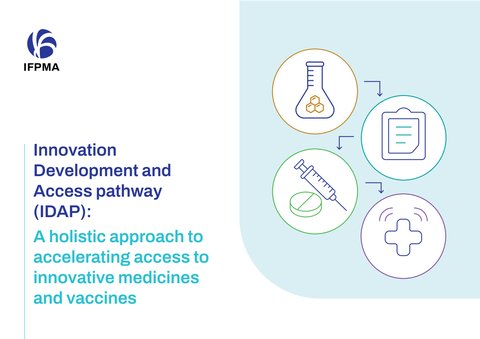
IFPMA IDAP whitepaper: end-to-end access pathway for innovative medicines and vaccines is a 10-page whitepaper from www.ifpma.org covering US pharma intelligence. IDAP is a holistic framework spanning four linked phases: Research and Development; regulatory processes and product registration; listing, procurement, and payment or reimbursement; and health service delivery to patients.
Why this matters
IDAP is a holistic framework spanning four linked phases: Research and Development; regulatory processes and product registration; listing, procurement, and payment or reimbursement; and health service delivery to patients.
Executive summary
- IDAP is a holistic framework spanning four linked phases: Research and Development; regulatory processes and product registration; listing, procurement, and payment or reimbursement; and health service delivery to patients.
- Delays or bottlenecks at any stage of the pathway can prevent timely access and result in preventable mortality, poorer clinical outcomes, and increased costs to healthcare systems.
- Governments play a critical role in enabling equitable access through policies, prioritization, and budget planning that support timely availability of innovation.
- The pharmaceutical industry calls for collaboration across public and private stakeholders to identify systemic barriers and improve end-to-end access, particularly for products addressing unmet medical needs.
AI research brief
IDAP frames access as an end-to-end pathway from R&D to delivery, highlighting bottlenecks and collaboration points.
Market Impact
| Regulatory | high |
|---|---|
| Commercial | high |
| Competitive | medium |
| Investment | high |
Who should read this
- Regulatory professionals
- Clinical operations
- BD & strategy teams
Ask about this report
AI-assisted answers grounded in NovaPharmaNews intelligence
Answers use retrieved site intelligence plus AI synthesis. Verify critical decisions with primary sources.
Download the full 10-page PDF
Free · 0 B · Instant access after email
The International Federation of Pharmaceutical Manufacturers and Associations (IFPMA) has published a whitepaper defining the Innovation Development and Access Pathway (IDAP)—a four-phase framework designed to identify and address barriers that prevent innovative medicines and vaccines from reaching patients in a timely manner, particularly in lower-resource settings.
Key Takeaways
- IDAP is a holistic framework spanning four linked phases: Research and Development; regulatory processes and product registration; listing, procurement, and payment or reimbursement; and health service delivery to patients.
- Delays or bottlenecks at any stage of the pathway can prevent timely access and result in preventable mortality, poorer clinical outcomes, and increased costs to healthcare systems.
- Governments play a critical role in enabling equitable access through policies, prioritization, and budget planning that support timely availability of innovation.
- The pharmaceutical industry calls for collaboration across public and private stakeholders to identify systemic barriers and improve end-to-end access, particularly for products addressing unmet medical needs.
What Does This Framework Cover?
The IDAP outlines the complete journey of medicines and vaccines from laboratory discovery through clinical development, regulatory approval, listing and reimbursement, and finally to patient delivery. The whitepaper identifies main barriers at each stage and points to policy enablers such as fit-for-purpose regulatory systems, regulatory reliance and streamlined WHO prequalification, updated essential medicines lists and clinical guidelines, and increased health system funding and supply chain capacity.
Why This Matters for Pharmaceutical Teams
For pharma organizations, the framework reinforces that access strategy must begin early in development and extend well beyond regulatory approval. Teams involved in R&D, market access, regulatory affairs, and business development should consider how evidence generation, local registration requirements, reimbursement pathways, and distribution constraints affect real-world uptake. The IDAP is especially relevant for products targeting unmet medical needs or lower-income markets, where systemic barriers across multiple stages of the pathway can significantly delay or prevent patient access.
Frequently Asked Questions
What are the four phases of IDAP?
The four phases are: (1) Research and Development and the innovation ecosystem; (2) regulatory processes, product registration, and life cycle management; (3) listing, treatment guidelines, procurement, and payment or reimbursement; and (4) health service delivery to patients, including distribution, supply chain, workforce capacity, diagnostics or referral networks, treatment, and follow-up.
Why does IFPMA emphasize an end-to-end approach?
IFPMA emphasizes the end-to-end pathway because delays or bottlenecks at any single stage can prevent timely access for people, resulting in preventable mortality, poorer clinical outcomes, and increased costs to healthcare systems and society. A holistic view helps identify where different stakeholders' accountabilities lie and reveals opportunities for collaborative solutions.
What role do governments play in the IDAP?
Governments are uniquely positioned to enable equitable access through policies and budget planning that prioritize health for their populations. According to the whitepaper, government actions—such as funding health infrastructure, implementing updated medicines lists and clinical guidelines, and supporting supply chain capacity—are critical to ensuring medicines and vaccines reach patients.
What barriers does the whitepaper identify in the R&D phase?
The whitepaper notes that for products with high public health need but limited market economics—such as those for malaria, tuberculosis, neglected tropical diseases, antimicrobial resistance, and pandemic preparedness—intellectual property frameworks and market dynamics may not provide sufficient incentive for private investment. Approaches such as product development partnerships and advance market commitments are identified as essential to de-risk and incentivize investment in these areas.
Frequently asked questions
What whitepapers does NovaPharmaNews publish?
Our research library curates FDA, EMA, and industry publisher PDFs — regulatory guidance, clinical analyses, manufacturing reports, and market intelligence. Each report includes an AI-summarized landing page with key takeaways and a gated PDF download.
How do I download a whitepaper?
Open any report page, scroll to the download form, and enter your work email. You receive instant PDF access and can opt in to weekly pharma intelligence updates. Downloads are free for healthcare professionals.
How do whitepapers connect to news and pipeline data?
Report pages link to related intelligence — company profiles, drug INN pages, clinical trials, pipeline programs, and topic hubs. Use the intelligence spokes on each page to explore the entity graph behind the research.
Ready to read the full report?
Join 12,000+ pharma leaders getting deep industry analysis delivered weekly.
Related topic hubs
Editorial coverage and intelligence directories for this report's beat.
Explore the intelligence platform
Related intelligence
 🔒
🔒 IFPMA whitepaper: How assessment reports enable regulatory reliance in pharma
Regulatory reliance helps NRAs avoid duplicative reviews and allocate resources more efficiently by leveraging prior scientific evaluations …
 🔒
🔒 Integrated delivery networks in Middle East healthcare: what PwC says about the next phase of care
Scale creates value only when healthcare assets are connected through shared systems, referral flows and coordinated management disciplines
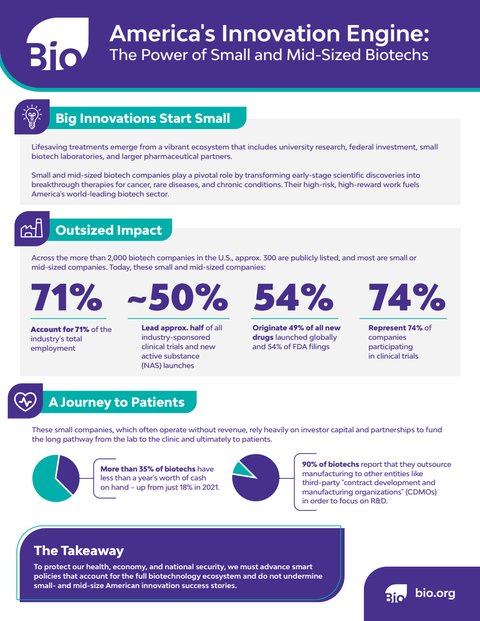 🔒
🔒 America's Innovation Engine: Small and Mid-Sized Biotechs Drive U.S. Clinical Trials, FDA Filings
Small and mid-sized biotechs represent approximately 99% of U.S. biotech business establishments and account for 71% of total industry emplo…