
FDA Approves Ensitrelvir (XOCOVA) as First Oral Option for COVID-19 Post-Exposure Prophylaxis

Decision brief
Answer first · skim in under a minute
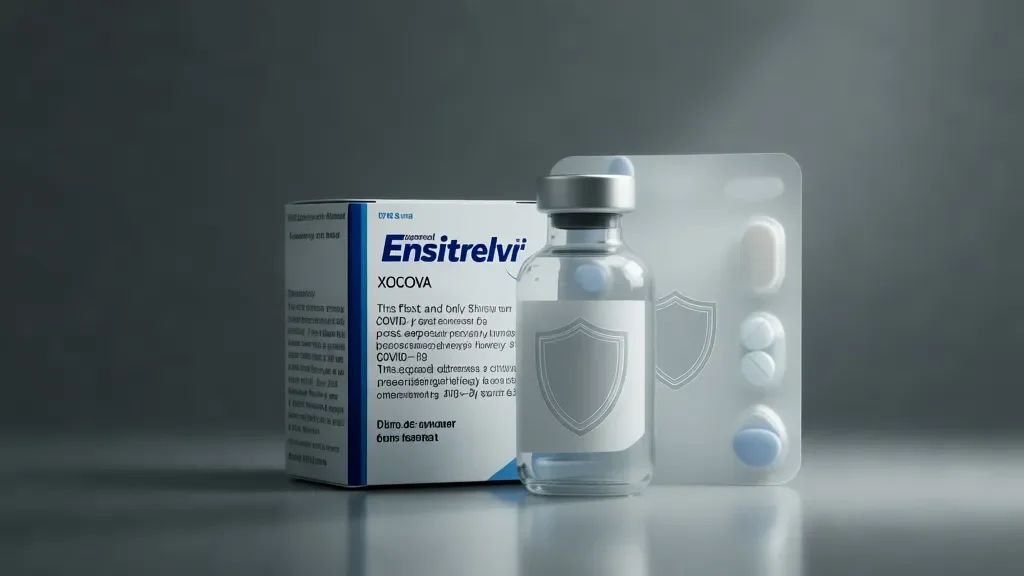
The FDA has approved Shionogi's ensitrelvir (XOCOVA) as the first and only oral antiviral for post-exposure prophylaxis of COVID-19. This approval addresses a critical prevention gap and introduces a convenient five-day oral regimen.
Key questions this brief answers
- What changed?
- Who is affected?
- What should teams watch next?
Contents7 sections
FDA Approves Ensitrelvir (XOCOVA) as First Oral Option for COVID-19 Post-Exposure Prophylaxis
The FDA has approved Shionogi's ensitrelvir the First and Only oral antiviral for post-exposure prophylaxis of COVID-19. This approval addresses a critical prevention gap and introduces a convenient five-day oral regimen, handing Shionogi a first-mover position in a market that injectable monoclonal antibodies once owned but largely vacated as viral evolution eroded their utility.
Key Takeaways
- FDA approved ensitrelvir (XOCOVA) as the first oral option for COVID-19 post-exposure prophylaxis in patients aged 12 years and older, backed by Phase 3 data showing efficacy against Omicron symptoms.
- Five-day oral regimen: three tablets on day one, one tablet on days two through five — a logistics advantage over injected alternatives.
- Approval fills a critical gap in the current therapeutic landscape, offering the only oral prevention strategy after known exposure.
What Does Ensitrelvir's Approval Mean for the Prevention Landscape?
On June 1, 2026, Shionogi announced that the FDA had approved XOCOVA (ensitrelvir) for post-exposure prophylaxis of COVID-19. Ensitrelvir, a novel oral SARS-CoV-2 3CL protease inhibitor also known as S-217622, emerged from joint research by Shionogi and was already approved in Japan for treating mild-to-moderate COVID-19 in patients 12 and older. The U.S. approval rests on Phase 3 trial data demonstrating that the drug prevents symptomatic COVID-19 after exposure to Omicron variants — a bar that tripped up older antibody approaches that lost potency as the virus evolved.
The regimen is straightforward: three tablets on day one, then one tablet daily for the next four days. That convenience, compared with the intravenous infusions or intramuscular shots required by the monoclonal antibodies that once dominated prophylaxis, could reshape how healthcare providers approach post-exposure prevention, particularly in outpatient and long-term care settings where injection logistics are a barrier.
How Should Pharma Teams and Investors Respond?
For business development teams, this approval carves out a new category in COVID-19 prevention that no oral drug has occupied. The approval gives Shionogi a labeled indication for post-exposure prophylaxis in patients aged 12 years and older — a regulatory advantage that no other oral antiviral currently holds in the U.S. market. The company now must execute on launch strategy, pricing, and payer access to convert that label into market share.
Investors should watch three things closely. First, Shionogi's launch execution and pricing strategy: the company has not disclosed U.S. pricing, but the drug enters a market where prevention options have narrowed. Second, real-world uptake in high-risk populations — immunocompromised patients, nursing home residents, and unvaccinated individuals — where the convenience of an oral pill could drive rapid adoption. Third, the resistance profile: a published study identified a SARS-CoV-2 Mpro G23 deletion mutant that confers resistance to ensitrelvir, and separate work in a VSV-based system has selected highly specific Mpro mutations against the drug. How frequently these mutants circulate in the wild will determine the durability of ensitrelvir's prophylactic utility.
Analysts should also monitor Shionogi's next moves. The company may pursue a U.S. treatment label expansion, which would put XOCOVA head-to-head with other oral antivirals in a much larger market. Real-world evidence from special populations will matter too: a recent case report described safe co-administration of ensitrelvir with tacrolimus in a kidney transplant recipient, suggesting the drug may be usable in transplant and immunosuppressed patients who are often excluded from trials.
Frequently Asked Questions
What changed?
The FDA approved Shionogi's ensitrelvir (XOCOVA) as the first and only oral antiviral for post-exposure prophylaxis of COVID-19, backed by Phase 3 data showing efficacy against Omicron symptoms. The five-day oral regimen — three tablets on day one, one tablet on days two through five — marks a shift from injectable monoclonal antibodies to a pill-based prevention strategy.
Who is affected?
Shionogi gains a first-in-class label in a new market. Patients aged 12 years and older with known COVID-19 exposure now have an oral option. Competitors developing oral antivirals face a new benchmark for prophylactic efficacy. The approval also creates a reference point for payers and PBMs constructing COVID-19 formularies that now must include a prophylaxis carve-out.
What should teams watch next?
Three areas: Shionogi's U.S. launch dynamics and whether it pursues a treatment label; the real-world resistance surveillance data emerging from academic labs, particularly the G23 deletion mutant already identified in published research; and how the drug performs in immunocompromised populations, where a case report showed safe co-administration with tacrolimus in a kidney transplant recipient.
Related profiles
Related coverage
Regulatory catalyst tracker
Track PDUFA dates, approval milestones, and label updates for ensitrelvir.
Unlock full calendar →Shionogi pipeline snapshot
One-screen view of active programs, phases, and recent catalysts from public sources.
Entity graph
Continue Exploring
Open the drugs, companies, and topics behind this story.
Sources & references 1 primary sources
Sources verified at publication. See our editorial policy and data sources.
This article follows our editorial standards. Report a correction via editorial contact.

Deeper reading
Industry reports & whitepapers
- Barriers and Facilitators to Use of Digital Health Tools by Healthcare Practitioners — This study identifies key barriers and facilitators impacting healthcare practitioners' use of digit…