Ebola 2026: US Response and Travel Restrictions Debate

Decision brief
Answer first · skim in under a minute
The 2026 Ebola outbreak has reignited debate over US travel restrictions and the right of American healthcare workers to return home. This article examines the policy, public health, and industry implications.
Key questions this brief answers
- What is the US response to the 2026 Ebola outbreak?
- How many cases of Ebola are in the US right now?
- What does the White House position on Ebola mean for industry?
Contents7 sections
Ebola 2026: US Response and Travel Restrictions Debate
The 2026 Ebola outbreak has reignited debate over US travel restrictions and the right of American healthcare workers to return home. This article examines the policy, public health, and industry implications, with a focus on what the shifting regulatory and political environment means for pharma teams developing vaccines, treatments, and diagnostic tools.
Key Takeaways
- The 2026 Ebola outbreak has sparked debate over US travel restrictions and the right of American healthcare workers to return home.
- The US has the infrastructure to safely treat Ebola patients, but policy decisions remain contentious.
- Pharma teams should monitor travel restrictions and public health policies for impact on clinical trials and supply chains.
Why Repatriation Rights Are the Central Flashpoint
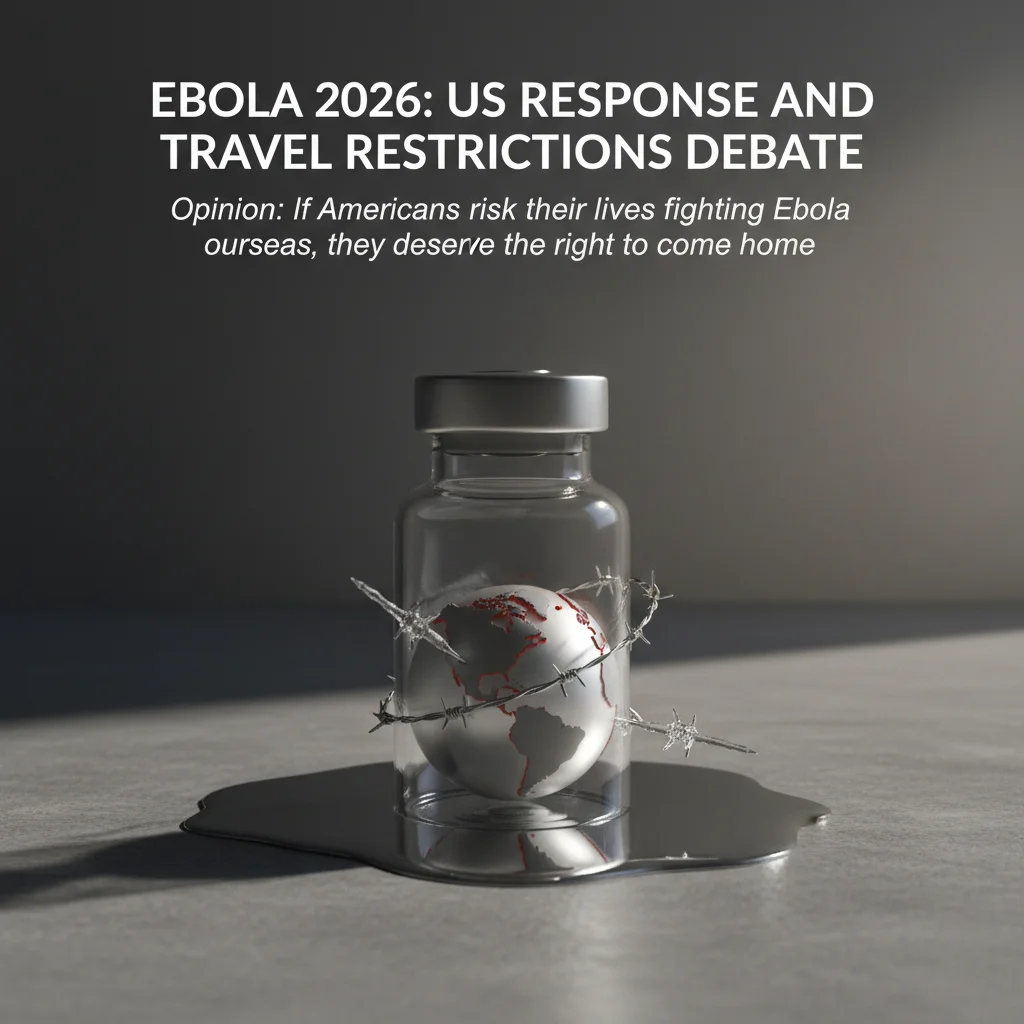
In June 2026, a STAT News opinion piece argued that Americans who risk their lives fighting Ebola overseas deserve the right to come home. The article highlighted the US capacity to safely treat Ebola patients and criticized proposed plans to quarantine exposed Americans in Kenya. This comes amid a broader debate about the US response to the 2026 Ebola outbreak, including travel restrictions and public health priorities. The core argument is that the US possesses the expertise, infrastructure, and experience to safely care for patients with Ebola, making quarantines in Kenya unnecessary and ethically problematic.
The debate echoes previous controversies. During the 2014 U.S. Ebola outbreak, the US saw arrivals in Dallas, where a traveler infected two nurses before dying. That incident triggered widespread fear and led to scientifically unjustified quarantines, as documented by the ACLU. The current debate over the US response to Ebola outbreak 2026 follows a similar pattern, with policymakers weighing public fear against the ethical obligation to repatriate healthcare workers.
A key flashpoint is the reported plan to send Americans exposed to Ebola while abroad to a new facility in Kenya instead of flying them home. Critics argue this treats healthcare workers as disposable and undermines the volunteer ethos that drives global health response. The President has previously committed to treating Ebola as both a national security priority and an example of American leadership, per the Obama White House archives. The current administration faces pressure to uphold that standard.
What the Travel Restrictions Debate Means for Pharma Operations
For pharma companies with Ebola-related assets, the travel restrictions debate has direct operational consequences. Clinical trial logistics are vulnerable to border closures and quarantine mandates. If American personnel cannot freely move between outbreak zones and US research sites, trial enrollment, sample shipping, and data monitoring will face delays. Companies should assess the impact of Ebola outbreak 2026 travel restrictions on their supply chains and personnel deployment.
The policy environment also affects regulatory pathways and market access. Public perception of Ebola treatments and vaccines is shaped by the visibility of the outbreak and the government's response. A high-profile debate over repatriation could accelerate or complicate FDA emergency use authorizations. Companies should prepare for shifts in funding priorities, as the debate over the US response to Ebola outbreak 2026 may influence congressional appropriations for pandemic preparedness and biodefense.
The broader lesson from the West African epidemic remains relevant: as noted in a PMC review of global health security, we are only as safe as the most fragile states. Pharma teams should monitor travel restrictions and public health policies not just for their immediate operational impact, but as signals of the government's long-term commitment to global health infrastructure. For context on how the FDA approaches emergency use authorizations during outbreaks, see the agency's EUA framework.
Could Ebola Come to the US?
Yes. Over the coming year, the virus is highly likely to reach the United States repeatedly, as it did in 2014 when a traveler brought the virus to Dallas. The CDC says containing the spread of Ebola is the top priority, and the US has the infrastructure to safely treat imported cases. The published literature on imported filovirus cases confirms that with proper isolation protocols, the risk of secondary transmission in US hospitals is low.
Frequently Asked Questions
What is the US response to the 2026 Ebola outbreak?
The US response includes travel restrictions, proposed quarantines for exposed Americans in Kenya, and ongoing debate about repatriation rights. The core policy question is whether to bring infected healthcare workers home for treatment or isolate them abroad.
How many cases of Ebola are in the US right now?
Case numbers are fluid and subject to reporting lags. The 2026 outbreak has not yet produced a large US case cluster, but imported cases are expected. Pharma teams should monitor CDC situation reports for real-time counts.
What does the White House position on Ebola mean for industry?
The White House has historically framed Ebola response as a national security priority and an example of American leadership. That framing supports funding for vaccine stockpiles, therapeutic development, and diagnostic surge capacity, all of which create market opportunities for pharma teams with relevant assets.
Related coverage
Sources & references 1 primary sources
Sources verified at publication. See our editorial policy and data sources.
This article follows our editorial standards. Report a correction via editorial contact.