
SERD Therapy Shows Strong Anti-Proliferative Activity in ER+/HER2- Breast Cancer
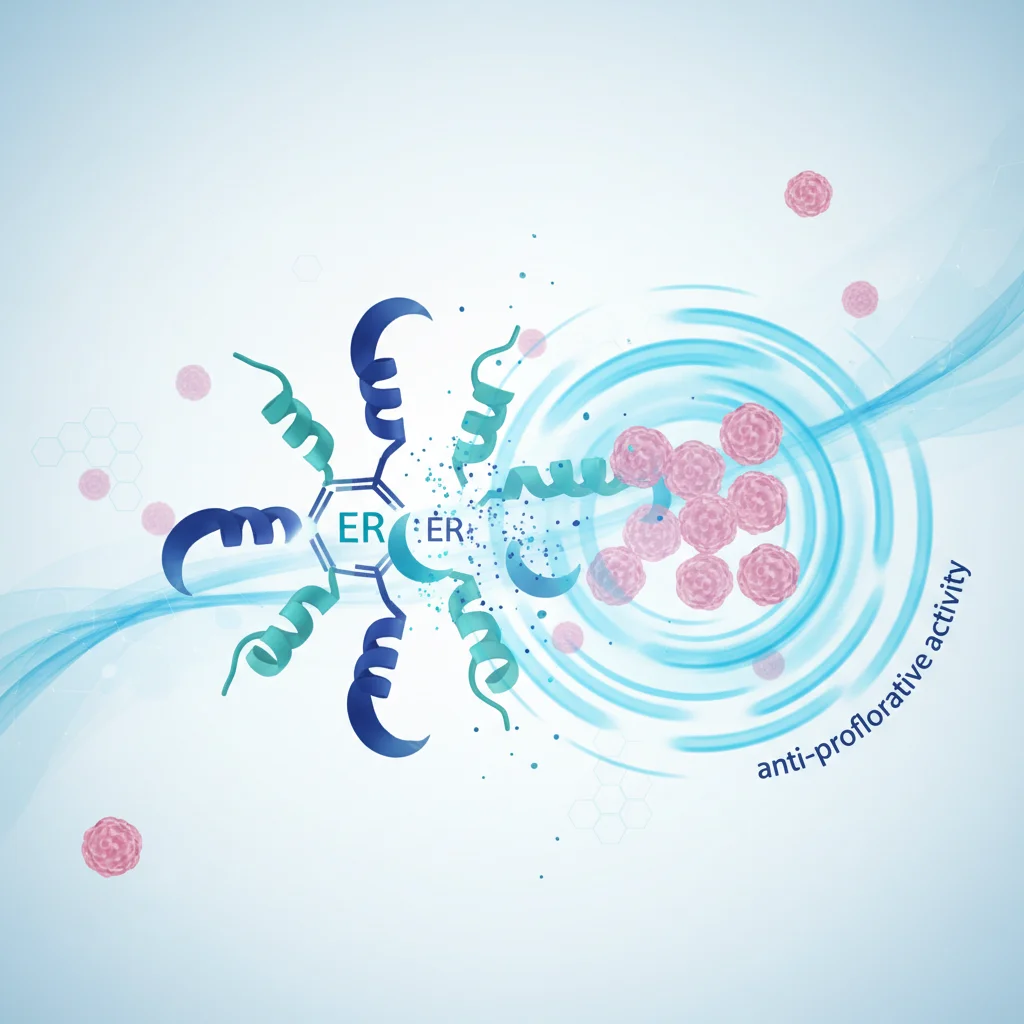
Recent findings highlight SERD therapy's robust anti-proliferative activity in early ER+/HER2- breast cancer. This breakthrough could reshape treatment strategies and investment opportunities.
Quick Answer
Recent findings highlight SERD therapy's robust anti-proliferative activity in early ER+/HER2- breast cancer. This breakthrough could reshape treatment strategies and investment opportunities.
Contents5 sections
SERD Shows Strong Anti-Proliferative Activity in Breast Cancer
Recent findings highlight SERD therapy's strong anti-proliferative activity in early ER+/HER2- breast cancer. This breakthrough could reshape treatment strategies and investment opportunities. The data, presented at ESMO Breast Cancer 2026, suggests a potential paradigm shift in how early-stage, hormone receptor-positive breast cancer is treated, opening new avenues for pharma teams and investors.
Key Takeaways for Pharma
SERD (selective estrogen receptor degrader) therapy is demonstrating significant anti-proliferative activity in early ER+/HER2- breast cancer patients, according to data presented at the recent ESMO Breast Cancer conference. This could alter treatment paradigms and improve patient outcomes. For investors, advancements in SERD therapies may represent compelling investment opportunities.
What Data Supports SERD's Promise in Early Breast Cancer?
Recent studies presented at the ESMO Breast Cancer 2026 conference reveal that SERD therapy shows strong anti-proliferative activity in young patients with ER-positive, HER2-negative early breast cancer. The findings, initially reported on the ESMO Daily Reporter, highlight the potential of SERDs to effectively target and inhibit the growth of hormone receptor-positive breast cancer cells, particularly in the early stages of the disease. The research focused on a younger patient population, adding a layer of potential differentiation for future studies.
How Could This Impact Pharma Strategy?
The promising results of SERD therapy could lead to increased competition in the oncology market, specifically within breast cancer. Pharma teams should assess the potential for strategic partnerships and investments in SERD development to stay ahead in the evolving landscape of breast cancer treatment. Companies with existing SERD assets may see increased interest, while others may seek to acquire or in-license promising candidates to bolster their oncology pipelines. The data also suggests a potential shift in treatment algorithms, which could impact the market share of existing therapies. Expect companies to initiate or expand clinical trials evaluating SERDs in combination with other agents, such as CDK4/6 inhibitors, to further enhance efficacy.
Related coverage
Continue Exploring
Jump into the entities behind this story.
Sources & references 1 primary sources
Sources verified at publication. See our editorial policy and data sources.
This article follows our editorial standards. Report a correction via editorial contact.
Continue Your Research


Industry Reports & Whitepapers
- Radiation Therapy: Fractionation, Image-Guidance, and Special Services (Idaho Only) — This policy outlines medically necessary radiation therapy protocols for conditions like breast canc…
- La Negoziazione del Prezzo dei Farmaci Oncologici in Italia — This whitepaper analyzes the market benchmark role in negotiating oncology drug prices in Italy, hig…