
CSL ANDEMBRY Phase 3b Backs Ages 2–11 HAE Filing

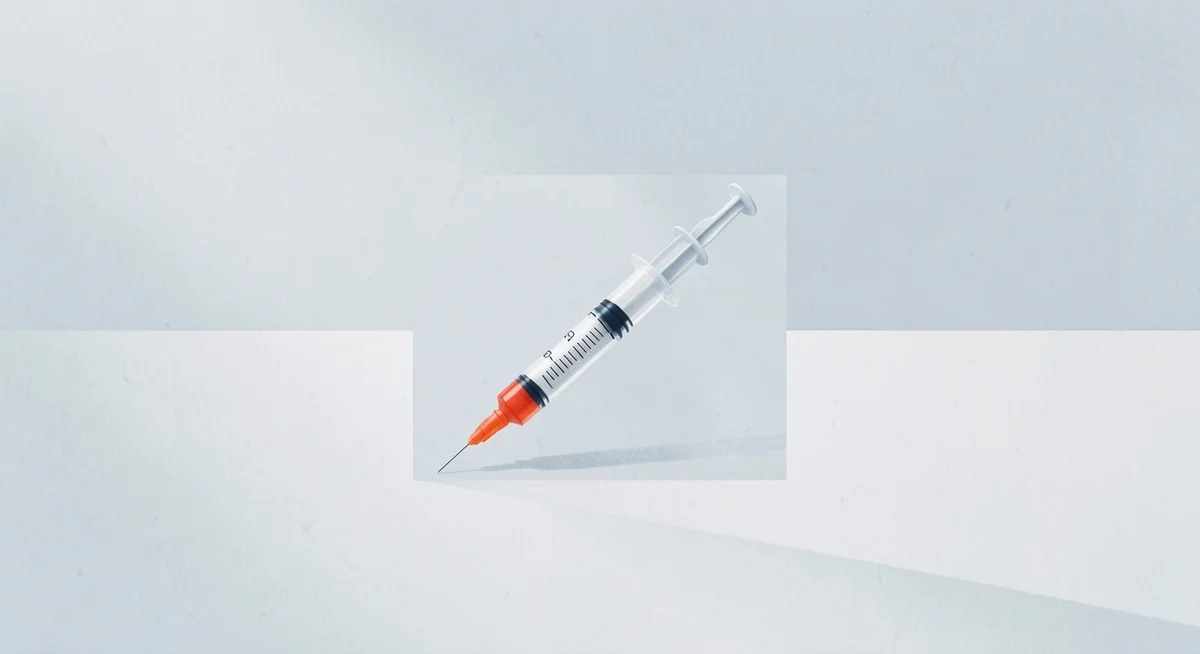
Decision brief
Answer first · skim in under a minute
CSL said July 27, 2026 that Phase 3b ANDEMBRY (garadacimab) data in children 2–11 with HAE support pediatric filings in H1 of its fiscal year.
CSL ANDEMBRY garadacimab Phase 3b pediatric HAE results in children aged 2 to 11 support an expanded label push, the Australian biotech said on July 27, 2026. Most participants stayed attack-free over 12 months in the open-label study, and filings are planned in the first half of CSL's fiscal year.
Contents10 sections
Key Takeaways
- Phase 3b open-label study enrolled children aged 2–11 with hereditary angioedema.
- Ages 6–11 (n=16) received 100 mg monthly; ages 2–5 (n=6) received 100 mg every two months.
- Majority remained attack-free over 12 months; safety aligned with prior studies.
- ANDEMBRY is already approved in 40+ countries for patients aged 12 and older.
ANDEMBRY pediatric Phase 3b at a glance
| Field | Detail |
|---|---|
| Product | ANDEMBRY (garadacimab-gxii) |
| Company | CSL (ASX: CSL) |
| Mechanism | Monoclonal antibody targeting factor XIIa |
| Study | Multicenter, open-label Phase 3b in ages 2–11 |
| Dosing | 100 mg monthly (6–11; n=16); 100 mg q2mo (2–5; n=6) |
| Key signal | Majority attack-free over 12-month treatment |
| Next step | Pediatric filings planned H1 of CSL fiscal year |
What did CSL announce?
CSL reported positive top-line Phase 3b results for ANDEMBRY (garadacimab-gxii) in children aged 2 to 11 years with hereditary angioedema. The multicenter open-label study showed a favorable safety and tolerability profile consistent with previous studies, and treatment response across the population, with the majority of participants remaining attack-free during 12 months of treatment.
Source: CSL's July 27 PR Newswire Phase 3b pediatric ANDEMBRY release.
How was the pediatric study dosed?
Participants aged 6 to 11 years (n = 16) received 100 mg of ANDEMBRY once monthly. Participants aged 2 to 5 years (n = 6) received 100 mg every two months. Total enrolled pediatric patients reported in the top-line were 22. Full attack-rate reductions, confidence intervals, and adverse-event grades were reserved for a future congress and journal submission.
ANDEMBRY is already approved in over 40 countries for prevention of HAE attacks in adults and adolescents aged 12 years and older. The new data are intended to support expanding that prophylaxis indication down to age 2.
Why factor XIIa inhibition matters in HAE?
Garadacimab is a monoclonal antibody that inhibits factor XIIa at the top of the bradykinin-producing cascade. CSL said the antibody was discovered and optimized at its Bio21 research site, with clinical manufacturing at the Broadmeadows Biotech Manufacturing Facility in Australia — a clear APAC R&D footprint for a globally marketed rare-disease biologic.
HAE epidemiology cited by CSL is about 1 in 10,000 to 1 in 50,000 people, driven by deficient or dysfunctional C1 esterase inhibitor. Attacks can involve the airway and be life-threatening. Broader HAE trial listings can be tracked on ClinicalTrials.gov, and Australian regulatory context via Australia's TGA.
- Ages 2–5 use every-two-month 100 mg dosing in this Phase 3b design
- Ages 6–11 use once-monthly 100 mg
- Open-label design — no placebo arm in this pediatric cohort
- Filings planned in first half of CSL's fiscal year
What should APAC rare-disease desks watch?
Watch which agencies receive the first pediatric supplements (FDA, EMA, TGA, PMDA, NMPA) and whether labels retain the age-banded dosing used in Phase 3b. Because the study is open-label and small (n=22), regulators may request additional PK bridging or post-marketing surveillance in the youngest cohort.
Competitive prophylaxis options already serve adolescents and adults; the strategic APAC angle is CSL extending an Australian-discovered FXIIa antibody into younger children rather than launching a new mechanism.
What remains unproven?
Numeric attack-rate reductions, exact attack-free percentages, and grade ≥3 adverse-event rates were not in the top-line release. Open-label pediatric data cannot estimate placebo-adjusted efficacy. Approval of the ages 2–11 indication is not guaranteed until agencies complete review.
Related NovaPharma coverage
- Neuronata-R Keeps Korea ALS Conditional Nod
- TGA expands SPEVIGO for adolescent GPP care
- NMPA Approves Ciprocopan for PNH in China
Frequently Asked Questions
What pediatric ANDEMBRY data did CSL report?
On July 27, 2026, CSL said a Phase 3b open-label study of ANDEMBRY (garadacimab-gxii) in children aged 2 to 11 with HAE showed favorable safety consistent with prior studies and that the majority of participants remained attack-free over 12 months.
How was dosing split by age?
Children aged 6 to 11 (n=16) received 100 mg once monthly; children aged 2 to 5 (n=6) received 100 mg every two months.
Is ANDEMBRY already approved?
CSL said ANDEMBRY is approved in over 40 countries for preventing HAE attacks in patients aged 12 years and older. The new program seeks to expand that prophylaxis indication to ages 2 to 11.
Primary Sources
Regulatory catalyst tracker
Track PDUFA dates, approval milestones, and label updates for ANDEMBRY.
Unlock full calendar →CSL pipeline snapshot
One-screen view of active programs, phases, and recent catalysts from public sources.
Investor brief
Download a one-page summary of regulatory impact and competitive context.
Explore drug hub →Entity graph
Continue Exploring
Open the drugs, companies, and topics behind this story.
This article follows our editorial standards. Report a correction via editorial contact.



Deeper reading
Industry reports & whitepapers
- FDA CBER Patient Listening Meeting on Gene Therapy Safety: Patient and Care Partner Perspectives — Patient and care partner perspectives inform FDA’s thinking on approved gene therapy safety and long…