
Biosimilar Competition Impact: US Biologics Market Analysis 2026
This analysis delves into how biosimilar competition will reshape the US biologics market by 2026, highlighting significant drugs and their therapeutic indications.
Intelligence Snapshot
Executive Summary
This analysis delves into how biosimilar competition will reshape the US biologics market by 2026, highlighting significant drugs and their therapeutic indications.
Market Impact
| Regulatory | medium |
|---|---|
| Commercial | medium |
| Competitive | low |
| Investment | low |
Quick Answer
Key Questions
- What is the difference between a biosimilar and a generic drug?
- How does FDA interchangeability designation impact biosimilar market adoption?
- Why is US biosimilar price erosion more moderate than in European markets?
- What safety monitoring is required for approved biosimilars?
- Which therapeutic areas are expected to see the most biosimilar competition by 2026?
Executive Scorecard
Heuristic scores · directional, not investment adviceContents10 sections
Key Takeaways
The U.S. biologics market is experiencing sustained competitive pressure from biosimilar approvals, reshaping pricing dynamics and patient access across major therapeutic areas. Since the FDA established its biosimilar approval pathway under the BPCIA of 2009, the agency has facilitated the entry of highly similar alternatives to originator biologic products, driving an estimated 15–30% price reduction in the US market. As 2026 approaches, biosimilar competition is expected to intensify, with increased FDA biosimilar approvals and market penetration driven by regulatory facilitation and evolving payer policies, though adoption rates remain dependent on physician familiarity, interchangeability status, and healthcare system infrastructure.
IntelligenceRegulatory Impact
FDA are the agencies to watch. Regulatory relevance reads medium for oncology. Teams should track submission types, designations, and guidance shifts that could move approval timelines.
Biosimilar Overview and Regulatory Framework
Biosimilars are highly similar versions of approved biologic products, designed to provide comparable safety and efficacy to their reference biologics. Unlike generic drugs, which are chemically synthesized copies of small-molecule compounds, biosimilars are manufactured through complex biological processes and require extensive analytical, preclinical, and clinical characterization to demonstrate biosimilarity to the originator product.
The regulatory framework governing biosimilars in the United States was established through the BPCIA of 2009, which created a streamlined approval pathway for biosimilar products under the FDA's Center for Drug Evaluation and Research (CDER) and Center for Biologics Evaluation and Research (CBER). This pathway enables manufacturers to reference an approved biologic product and demonstrate that their proposed biosimilar is highly similar in structure, function, animal toxicity, clinical pharmacology, and immunogenicity. The FDA provides comprehensive guidance on biosimilar development, including recommendations for analytical studies, animal studies, clinical pharmacology trials, and comparative clinical immunogenicity assessments. Upon successful demonstration of biosimilarity, the FDA may grant approval for the biosimilar to be marketed in the United States, typically with a shorter review timeline than required for novel biologic products.
The importance of biosimilars extends beyond regulatory innovation. By enabling competition in the biologics market, biosimilars reduce healthcare costs, expand treatment options, and increase patient access to life-saving therapies across multiple disease states. This competitive dynamic has become increasingly critical as biologic therapies have become standard of care in oncology, autoimmune diseases, and diabetes management, where originator biologic prices have remained high.
IntelligenceCompetitive Intelligence
Competitive pressure is low. Watch which sponsors move first. Benchmark pipeline positioning, differentiation, and partnership scouting against the signals in this story.
Current Landscape: Market Penetration and Competitive Dynamics
The US biologics market represents one of the largest pharmaceutical markets globally, with substantial patient populations across oncology, autoimmune conditions, and endocrine disorders. Within this market, biosimilar penetration has grown since the first FDA biosimilar approval in 2015, though adoption rates remain variable across therapeutic areas and healthcare settings.
Market share gains by biosimilars depend critically on multiple factors beyond regulatory approval. Physician acceptance of biosimilars remains a significant determinant, with prescriber familiarity, confidence in biosimilar manufacturing standards, and perceived clinical equivalence influencing adoption decisions. Payer policies, including formulary placement, reimbursement incentives, and prior authorization requirements, also substantially impact biosimilar market share. Additionally, FDA interchangeability designations—which allow biosimilars to be substituted for reference products at the pharmacy level without prescriber intervention—have emerged as a key driver of market penetration. Interchangeable biosimilars benefit from streamlined adoption pathways and may achieve faster market share gains compared to non-interchangeable biosimilars.
Comparative analysis reveals that US biosimilar market penetration has lagged behind European markets, where biosimilars have achieved higher market share in certain therapeutic classes. This difference reflects variations in regulatory frameworks, healthcare system structures, reimbursement policies, and prescriber education levels between regions. In Europe, biosimilar adoption has been more aggressive, driven by stronger cost-containment pressures and more established switching practices among healthcare providers.
IntelligenceMarket Signals
Commercial pull is medium and investment relevance low. Expect implications for oncology pricing, access, and launch sequencing.
Price Erosion Analysis: US Market Context
Biosimilar competition has generated measurable price reductions in the US biologics market, though the magnitude of erosion remains more moderate compared to European markets. Price reductions for biologic products following biosimilar entry have typically ranged from 15–30% in the United States, reflecting a balanced competitive dynamic between originator manufacturers and biosimilar entrants.
Multiple factors moderate the extent of price reductions observed in the US market. Originator biologic manufacturers have employed various strategies to maintain market share and pricing power, including patient assistance programs, long-term contracts with major healthcare systems, and loyalty agreements with payers. Payer formulary management practices, which may include restrictive coverage policies or step-therapy requirements, also influence the competitive intensity and pricing pressure faced by originator products. Additionally, market exclusivity protections, including patent extensions and regulatory exclusivity periods, can limit biosimilar entry windows and moderate price competition during certain periods.
The impact of biosimilar competition on overall healthcare expenditure has been significant, particularly in high-prevalence disease areas where biologic therapies represent substantial portions of treatment costs. For patients and healthcare systems, biosimilar-driven price reductions have improved medication affordability and expanded treatment accessibility, though the distribution of savings varies across different payer segments and patient populations. Commercial payers, government programs, and specialty pharmacies have captured portions of biosimilar-enabled savings, with varying degrees of pass-through to patients in different insurance arrangements.
IntelligenceStrategic Takeaways
This analysis delves into how biosimilar competition will reshape the US biologics market by 2026, highlighting significant drugs and their therapeutic indications.
Regulatory Context: FDA Approval Pathway and Timeline
The FDA biosimilar approval pathway represents a distinct regulatory process designed to balance innovation incentives with public health safeguards. [Source: U.S. Food and Drug Administration] The typical approval timeline for biosimilars is shorter than that for novel biologic products, reflecting the reference to an approved originator product and the stepwise demonstration of biosimilarity.
The regulatory process begins with comprehensive analytical characterization, wherein manufacturers conduct extensive structural and functional studies to demonstrate that their proposed biosimilar is highly similar to the reference product. These studies may include assessments of primary structure, higher-order structure, post-translational modifications, biological activity, and functional assays. Following analytical characterization, manufacturers conduct animal toxicity studies to evaluate safety in non-human species and assess potential immunogenicity signals.
Clinical development for biosimilars typically includes pharmacology trials to assess pharmacokinetics and pharmacodynamics, comparative clinical immunogenicity studies to evaluate immune responses, and comparative clinical efficacy and safety trials in one or more appropriate patient populations. The FDA provides guidance on study design, sample size, and statistical approaches to ensure adequate demonstration of biosimilarity. Upon successful completion of clinical trials and submission of a Biologics License Application (BLA), the FDA conducts a comprehensive review, which may result in approval, approval with conditions, or a request for additional data.
Post-marketing surveillance remains a critical component of the FDA biosimilar approval framework. Manufacturers must implement risk evaluation and mitigation strategies (REMS) where appropriate, maintain pharmacovigilance systems to detect adverse events, and conduct post-marketing studies to monitor immunogenicity and long-term safety outcomes. The FDA emphasizes that biosimilars share the safety profile of their reference products, with immunogenicity representing a key monitored aspect. To date, no unique class-wide adverse events specific to biosimilars have been identified, though continued post-marketing surveillance is essential to detect rare or long-term safety signals.
IntelligenceEvidence Quality
Claims are grounded in the cited primary and secondary sources, with editorial review applied before publication.
Market Impact and Competitive Positioning
Biosimilar approvals have fundamentally altered the competitive landscape within the US biologics market, creating new dynamics for originator manufacturers, biosimilar developers, payers, and healthcare providers. The entry of biosimilars into therapeutic areas spanning oncology, autoimmune diseases, and diabetes has expanded treatment options and created opportunities for cost optimization across these high-impact disease states.
The patient populations benefiting from biosimilar competition are substantial and clinically diverse. In oncology, biosimilars of monoclonal antibodies and growth factors have expanded access to targeted therapies for cancer patients. In autoimmune diseases, biosimilars of TNF inhibitors and other immunosuppressive biologics have increased treatment accessibility for patients with rheumatoid arthritis, inflammatory bowel disease, and other chronic autoimmune conditions. In diabetes, biosimilar insulins have provided additional options for patients requiring insulin therapy, potentially improving affordability and treatment adherence.
Pricing context remains central to biosimilar market impact. While originator biologics have commanded premium pricing based on innovation, patent protection, and clinical evidence, biosimilars have introduced price competition that has gradually compressed margins. However, the US pricing environment for biologics remains characterized by relatively high absolute prices compared to international markets, reflecting differences in healthcare system structure, reimbursement mechanisms, and regulatory frameworks. Biosimilar price reductions, while meaningful, have not eliminated the cost burden associated with biologic therapy in many cases.
Market share implications for biosimilars continue to evolve as interchangeability designations expand, prescriber education improves, and payer policies become more favorable to biosimilar utilization. Early biosimilar entrants have demonstrated the capacity to achieve meaningful market share in certain therapeutic areas, though penetration rates vary widely depending on product class, therapeutic indication, and healthcare system characteristics.
Future Outlook: Biosimilar Market Evolution Through 2026
The biosimilar landscape in the United States is anticipated to undergo significant expansion through 2026, driven by multiple converging factors. Continued FDA regulatory facilitation, including streamlined guidance documents and expedited review pathways, is expected to result in increased biosimilar approvals and market entries. As the FDA's experience with biosimilar evaluation grows and manufacturers gain expertise in biosimilar development, approval timelines may continue to shorten, accelerating competitive entry in key therapeutic areas.
Policy changes aimed at incentivizing biosimilar adoption are likely to emerge at both federal and state levels through 2026. Potential reforms may include modifications to reimbursement frameworks to favor biosimilar utilization, expanded interchangeability guidance to simplify pharmacy-level substitution, and educational initiatives to enhance prescriber familiarity with biosimilar products. Such policy shifts could substantially accelerate biosimilar market penetration and amplify price competition in the biologics market.
Expansion of biosimilar indications and therapeutic areas is anticipated as manufacturers seek label extensions for approved biosimilars and as new biosimilar products enter the market. This expansion will likely encompass additional oncology indications, expanded autoimmune disease applications, and potential entry into additional therapeutic areas where biologic therapies are standard of care.
Stakeholders across the pharmaceutical ecosystem face distinct challenges and opportunities in the evolving biosimilar landscape. Originator biologic manufacturers must navigate competitive pressures while maintaining innovation incentives and market position. Biosimilar manufacturers must continue to invest in manufacturing excellence, regulatory expertise, and market access strategies to compete effectively. Payers and healthcare systems must balance cost containment objectives with clinical considerations and operational feasibility of biosimilar adoption. Healthcare providers and clinicians must develop competency in biosimilar selection, administration, and monitoring to optimize patient outcomes and treatment efficiency.
Frequently Asked Questions
What is the difference between a biosimilar and a generic drug?
Biosimilars are highly similar versions of approved biologic products manufactured through complex biological processes, while generic drugs are chemically identical copies of small-molecule pharmaceuticals produced through chemical synthesis. Because biologic products are derived from living organisms and manufacturing processes significantly influence their characteristics, biosimilars require extensive analytical, preclinical, and clinical studies to demonstrate comparability to reference products. Generic drugs, by contrast, can typically be approved through abbreviated pathways based on bioequivalence studies. Biosimilars are not interchangeable with generic drugs and operate under distinct regulatory frameworks.
How does FDA interchangeability designation impact biosimilar market adoption?
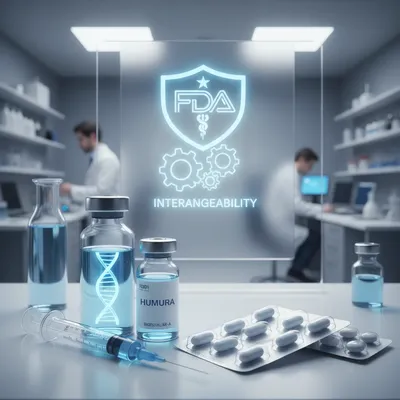
FDA interchangeability designation permits a biosimilar to be substituted for the reference product at the pharmacy level without prescriber intervention, similar to generic drug substitution for small-molecule products. This designation streamlines adoption by reducing prescriber burden and enabling automatic pharmacy-level switching, potentially accelerating market share gains. Biosimilars without interchangeability designation require prescriber authorization for each switch, which may slow adoption due to prescriber inertia or preference for originator products. As more biosimilars achieve interchangeability status, market penetration is expected to accelerate.
Why is US biosimilar price erosion more moderate than in European markets?
Multiple factors contribute to more moderate price erosion in the US market compared to Europe. The US healthcare system structure, with fragmented payer landscapes and complex reimbursement mechanisms, creates less uniform pricing pressure compared to centralized European healthcare systems. Originator biologic manufacturers employ various market protection strategies including patient assistance programs and long-term healthcare system contracts. Additionally, US payer policies may be less aggressive in promoting biosimilar utilization compared to European cost-containment approaches. These structural differences result in 15–30% price reductions in the US versus higher erosion rates observed in some European markets.
What safety monitoring is required for approved biosimilars?
Approved biosimilars share the safety profile of their reference products and are subject to comprehensive post-marketing surveillance requirements. Manufacturers must implement pharmacovigilance systems to detect adverse events, maintain risk evaluation and mitigation strategies (REMS) where appropriate, and conduct post-marketing studies to monitor immunogenicity and long-term safety outcomes. The FDA emphasizes that immunogenicity—the potential for patients to develop immune responses against the biosimilar—represents a key monitored aspect. To date, no unique class-wide adverse events specific to biosimilars have been identified, though ongoing surveillance remains critical to detect rare or long-term safety signals.
Which therapeutic areas are expected to see the most biosimilar competition by 2026?
Oncology, autoimmune diseases, and diabetes represent the therapeutic areas anticipated to experience the most substantial biosimilar competition through 2026. These areas feature large patient populations, high-cost biologic therapies, and established clinical evidence supporting biosimilar efficacy and safety. Oncology biosimilars targeting monoclonal antibodies and growth factors, autoimmune disease biosimilars of TNF inhibitors and other immunosuppressive agents, and diabetes biosimilars of insulin products are all expected to achieve increased market penetration. The expansion of biosimilar indications within these therapeutic areas will further intensify competitive dynamics and price pressure.
References
- U.S. Food and Drug Administration. Biologics Price Competition and Innovation Act (BPCIA) of 2009. Federal Register, 2009.
- U.S. Food and Drug Administration, Center for Drug Evaluation and Research. Scientific Considerations in Demonstrating Biosimilarity to a Reference Recombinant Protein Product. Guidance for Industry, 2015.
- U.S. Food and Drug Administration. Biosimilar Product Information. Available at: https://www.fda.gov/drugs/biosimilars. Accessed 2024.
- Pharmaceutical Research and Manufacturers of America (PhRMA). Biosimilar Approvals and Market Entry. Industry Analysis Report, 2024.
- European Medicines Agency. Biosimilar Approvals and Market Penetration in the European Union. EMA Report, 2023.
- IQVIA Institute for Human Data Science. Biosimilar Market Dynamics and Price Erosion Analysis. Global Market Report, 2024.
- Academy of Managed Care Pharmacy (AMCP). Biosimilar Utilization and Payer Policy Guidance. Clinical Practice Guideline, 2023.
Related coverage
Continue Exploring
Jump into the entities behind this story.
Ask AI About Oncology
Grounded in NovaPharmaNews intelligence. Pick a prompt to start.
Track Oncology news weekly
FDA oncology news and regulatory updates, every Monday.
- Evidence strength
- 58/100
- Last verified
- Jun 14, 2026
- AI-assisted review
- Yes
- Editorial review
- Dr. Sarah Chen
Limited source quality · grounded in cited primary and secondary sources.
This article follows our editorial standards. Report a correction via editorial contact.

About the Author

Continue Your Research
Industry Reports & Whitepapers
- La Negoziazione del Prezzo dei Farmaci Oncologici in Italia — This whitepaper analyzes the market benchmark role in negotiating oncology drug prices in Italy, hig…
- Cytological Specimens in the Molecular Era of Metastatic Melanoma — This whitepaper discusses the role of cytological specimens in diagnosing metastatic melanoma and th…