Harnessing AI for Efficient Doctor's Office Check-Ins
This article discusses the potential of AI to revolutionize check-in and intake processes in healthcare, focusing on its implications for pharmaceutical companies.
Contents4 sections
Harnessing AI for Efficient Doctor's Office Check-Ins
This article discusses the potential of AI to revolutionize check-in and intake processes in healthcare, focusing on its implications for pharmaceutical companies. The antiquated clipboard is ripe for disruption. AI promises streamlined workflows, reduced costs, and better data—a trifecta that should pique the interest of every pharma executive.
What Are the Key Benefits of AI in Check-Ins?
AI offers a potent cocktail of advantages. Streamlined patient flow tops the list. Think about it: no more bottlenecks at the front desk. Reduced wait times naturally follow. Patients appreciate promptness. Enhanced data accuracy is another major draw. Forget illegible handwriting and manual data entry errors. Improved patient experience? Absolutely. AI-powered check-ins can personalize the process, easing anxiety and building trust.
But the benefits don't stop there. Consider the administrative burden lifted from staff. They can focus on higher-value tasks: patient care, proactive outreach. AI can also flag potential issues early. For example, identifying patients who haven't refilled prescriptions or those at high risk for adverse events. It's about making data actionable, not just collecting it.
What Recent Developments Have Emerged?
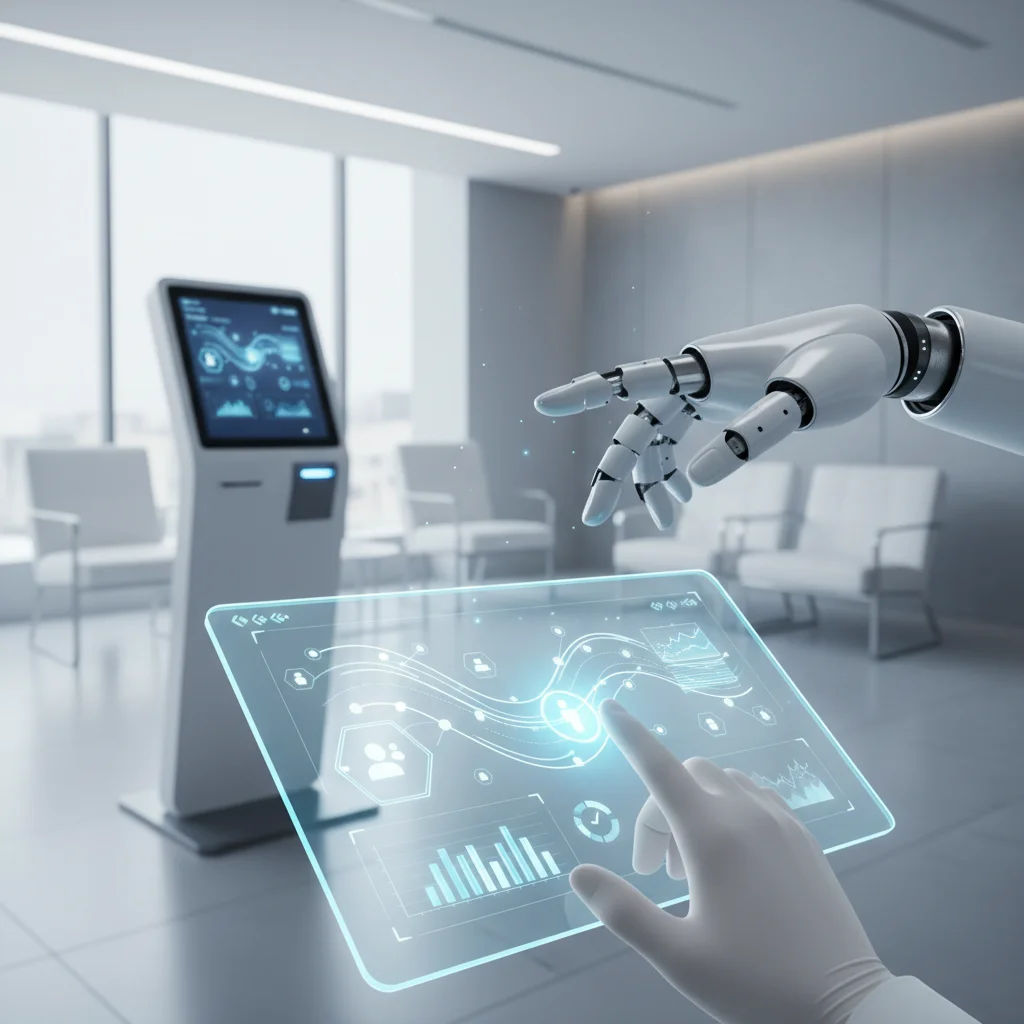
The pace of innovation is accelerating. Stat News recently highlighted several advancements in AI-driven patient intake. Chatbots are becoming more sophisticated, capable of handling complex queries and triaging patients effectively. Voice recognition technology is also improving, enabling hands-free check-ins. Then there are the AI-powered kiosks. These offer a self-service option for patients who prefer a more independent experience.
One notable trend: integration with electronic health records (EHRs). This allows for seamless data transfer and reduces the risk of errors. Epic and Meditech—two giants in the EHR space—are actively exploring AI integrations. Separately, startups are emerging with niche solutions, focusing on specific areas like medication adherence or chronic disease management. The field is rapidly evolving, and pharma needs to pay attention.
How Can Pharma Teams Leverage These Changes?
Here's where it gets interesting for pharma. These AI-driven changes present unique opportunities. Improved patient engagement is one. Targeted messaging can be delivered during the check-in process. Think personalized reminders about medication refills or information about clinical trials. Better adherence? AI can help identify patients who are struggling to stick to their treatment plans. Pharma can then tailor interventions to address their specific needs.
On the drug delivery front: AI can optimize the process. For instance, identifying patients who are eligible for specific therapies. Or streamlining the prior authorization process. Even better, data collected during check-in (with appropriate patient consent, of course) can provide valuable insights into patient populations. This intelligence can inform drug development and marketing strategies. The possibilities are vast.
Still, challenges remain. Data privacy and security are paramount. Interoperability is another hurdle. And—perhaps most importantly—gaining physician buy-in will be essential for widespread adoption. But the potential rewards are too significant to ignore. Pharma companies that embrace AI in check-in processes will gain a competitive edge. Those who don't risk falling behind.
Stay Updated on Pharma News
Get the latest drug approvals, clinical trials, and regulatory updates delivered to your inbox.
Sources & references 1 primary sources
Sources verified at publication. See our editorial policy and data sources.
This article follows our editorial standards. Report a correction via editorial contact.