
SynbioTech's L. plantarum FS4722 Shows Promise for Hyperuricemia Prevention in Preclinical Studies
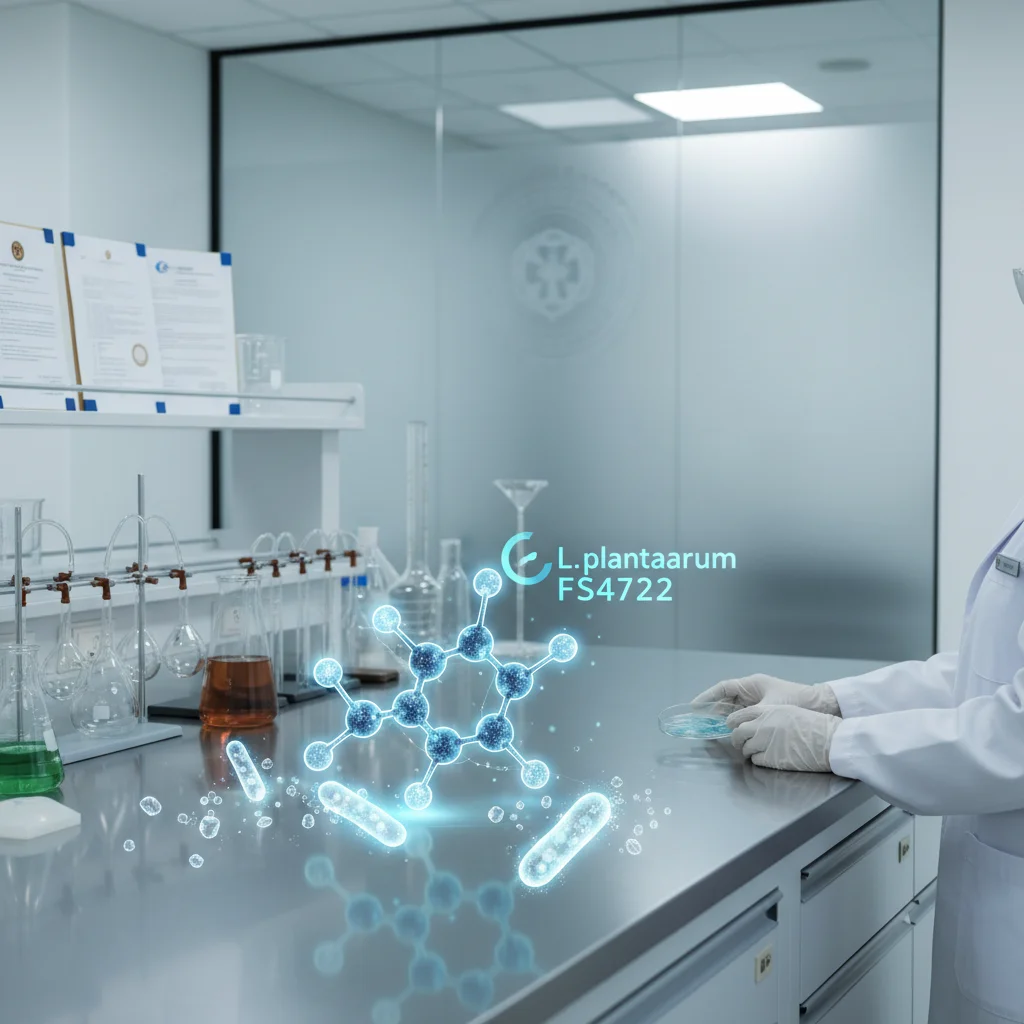
SynbioTech's probiotic strain L. plantarum FS4722 demonstrates potential for hyperuricemia prevention through gut-liver-kidney axis modulation in preclinical trials.
Intelligence Snapshot
Executive Summary
L. plantarum FS4722 demonstrated synergistic effects in lowering serum uric acid levels and limiting intestinal purine absorption in preclinical studies
Key Insights
-
The probiotic strain works through the gut-liver-kidney axis to rebalance microbiome and…
The probiotic strain works through the gut-liver-kidney axis to rebalance microbiome and boost uric acid excretion
-
This natural approach derived from traditional Chinese pickled vegetables could offer…
This natural approach derived from traditional Chinese pickled vegetables could offer preventive treatment for hyperuricemia patients
Market Impact
| Regulatory | medium |
|---|---|
| Commercial | medium |
| Competitive | low |
| Investment | low |
Executive Scorecard
Heuristic scores · directional, not investment adviceContents6 sections
Key Takeaways
- L. plantarum FS4722 demonstrated synergistic effects in lowering serum uric acid levels and limiting intestinal purine absorption in preclinical studies
- The probiotic strain works through the gut-liver-kidney axis to rebalance microbiome and boost uric acid excretion
- This natural approach derived from traditional Chinese pickled vegetables could offer preventive treatment for hyperuricemia patients
SynbioTech has announced promising preclinical results for its probiotic strain L. plantarum FS4722 as a potential preventive treatment for hyperuricemia, a condition affecting millions worldwide that can lead to gout and kidney stones.
Mechanism of Action
The probiotic strain, originally isolated from traditional Chinese pickled vegetables, demonstrated multiple therapeutic mechanisms in preclinical testing. L. plantarum FS4722 showed ability to lower serum uric acid levels while simultaneously limiting intestinal purine absorption and downregulating liver uric acid production.
The strain works through the gut-liver-kidney axis, boosting uric acid excretion through both intestinal and renal pathways. Additionally, the probiotic helps rebalance the gut microbiome and its metabolites, addressing one of the underlying factors in hyperuricemia development.
IntelligenceRegulatory Impact
NMPA, PMDA, and TGA are the agencies to watch. Regulatory relevance reads medium for pharmaceutical intelligence. Teams should track submission types, designations, and guidance shifts that could move approval timelines.
Market Implications
Hyperuricemia affects approximately 13% of adults in developed countries, with prevalence rising due to dietary and lifestyle factors. Current treatments primarily focus on managing symptoms rather than prevention, creating a significant market opportunity for preventive approaches.
The natural origin of L. plantarum FS4722 from traditional fermented foods may appeal to patients seeking alternatives to pharmaceutical interventions. This positions SynbioTech’s approach within the growing microbiome therapeutics market, which is expected to reach $3.2 billion by 2027.
IntelligenceCompetitive Intelligence
Competitive pressure is low. Watch which sponsors move first. Benchmark pipeline positioning, differentiation, and partnership scouting against the signals in this story.
Clinical Development Path
While preclinical results show promise, human clinical trials will be necessary to validate the strain’s efficacy and safety profile. The multi-target approach of L. plantarum FS4722 suggests potential for both standalone therapy and combination treatments.
SynbioTech’s research adds to growing evidence supporting the role of gut microbiome modulation in metabolic disorders, potentially opening new therapeutic avenues for purine metabolism disorders.
Frequently Asked Questions
What is hyperuricemia and why is prevention important?
Hyperuricemia is elevated uric acid levels in blood that can lead to gout, kidney stones, and cardiovascular complications. Prevention is crucial as current treatments mainly manage symptoms after disease onset.
When will L. plantarum FS4722 be available to patients?
The probiotic is currently in preclinical development. Human clinical trials are needed before potential market availability, which typically takes several years for regulatory approval.
How does this probiotic approach differ from existing hyperuricemia treatments?
Unlike current medications that primarily lower uric acid after it’s produced, L. plantarum FS4722 works preventively through multiple pathways including reducing purine absorption and rebalancing gut microbiome.
Related coverage
Ask AI About This Topic
Grounded in NovaPharmaNews intelligence. Pick a prompt to start.
Stay Updated on Pharma News
Get the latest drug approvals, clinical trials, and regulatory updates delivered to your inbox.
- Evidence strength
- 71/100
- Last verified
- Jun 15, 2026
- AI-assisted review
- Yes
- Editorial review
- Dr. Sarah Chen
Moderate source quality · grounded in cited primary and secondary sources.
This article follows our editorial standards. Report a correction via editorial contact.
About the Author

Continue Your Research

NOVI Health's Hybrid Care Model Bridges GLP-1 Drug Efficacy Gap Between Clinical Trials and Real-World Outcomes

Cryoport Q1 2026 Results: Revenue Jumps 26% Supporting Record 766 Clinical Trials and 21 Commercial Cell Gene Therapies

Lunai Bioworks Raises $20 Million to Acquire CNS Drug Delivery Technology for Alzheimer's Treatment