
Argo Biopharma Doses First Patient in Phase I Trial of siRNA Therapy BW-50218 for TTR-Related Disease
Argo Biopharma begins Phase I clinical trial of BW-50218, an siRNA therapeutic targeting transthyretin protein for rare disease treatment in Australia.
Intelligence Snapshot
Executive Summary
Argo Biopharma has dosed the first patient in its Phase I clinical trial of BW-50218, an siRNA therapy targeting transthyretin (TTR) protein
Key Insights
-
The trial is being conducted in Australia and represents a significant milestone for the…
The trial is being conducted in Australia and represents a significant milestone for the clinical-stage biotechnology company’s gene therapy pipeline
-
BW-50218 could offer new treatment options for patients with TTR-related diseases,…
BW-50218 could offer new treatment options for patients with TTR-related diseases, including hereditary transthyretin amyloidosis
Market Impact
| Regulatory | medium |
|---|---|
| Commercial | medium |
| Competitive | low |
| Investment | low |
Executive Scorecard
Heuristic scores · directional, not investment adviceContents5 sections
Key Takeaways
- Argo Biopharma has dosed the first patient in its Phase I clinical trial of BW-50218, an siRNA therapy targeting transthyretin (TTR) protein
- The trial is being conducted in Australia and represents a significant milestone for the clinical-stage biotechnology company’s gene therapy pipeline
- BW-50218 could offer new treatment options for patients with TTR-related diseases, including hereditary transthyretin amyloidosis
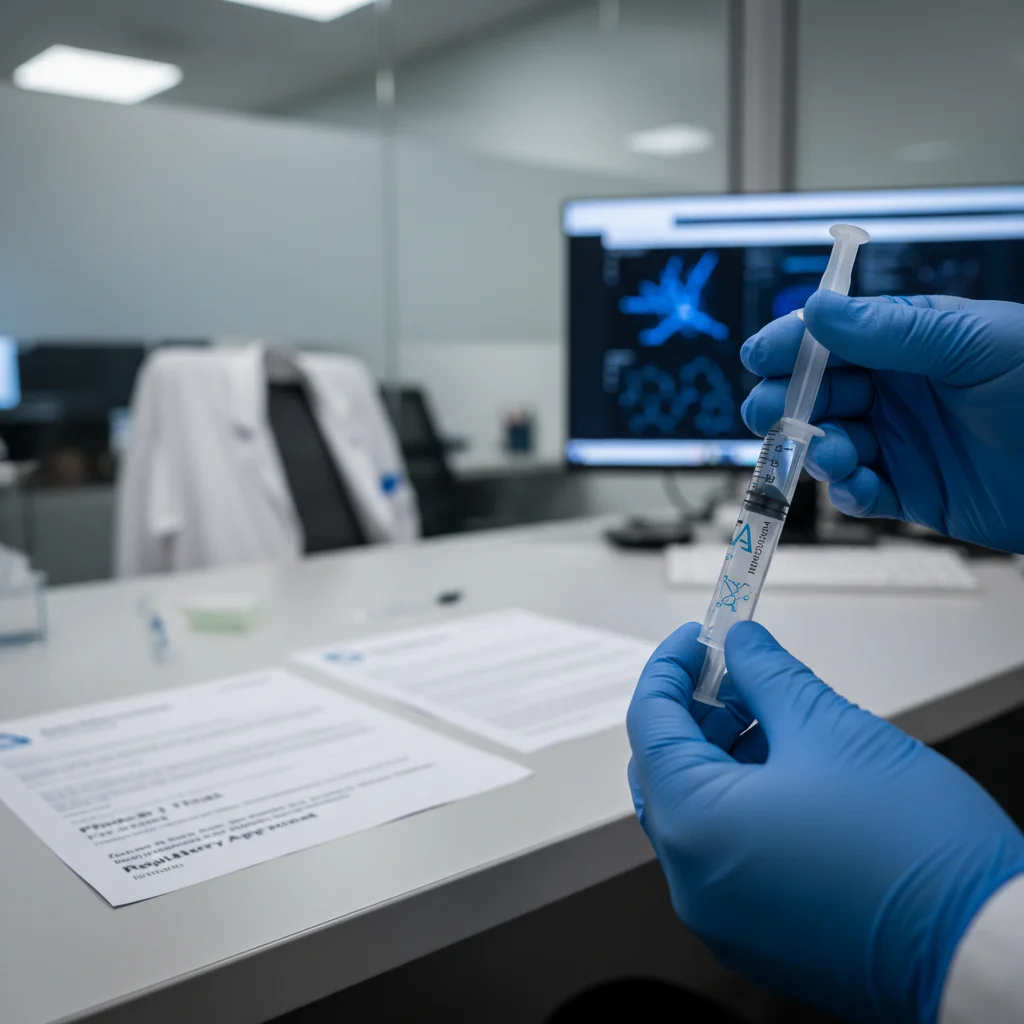
Shanghai and New York-based Argo Biopharmaceutical Co., Ltd. announced April 28, 2026, that it has successfully dosed the first subject in its Phase I clinical trial evaluating BW-50218, marking a critical advancement in siRNA therapeutics for rare diseases.
The clinical-stage biotechnology company is conducting the early-phase trial in Australia to assess the safety and tolerability of BW-50218, an investigational siRNA therapeutic specifically designed to target the transthyretin protein (TTR). This protein plays a central role in hereditary transthyretin amyloidosis (hATTR), a progressive and life-threatening rare disease.
Advancing siRNA Technology for Rare Diseases
Argo Biopharma has positioned itself as a developer of next-generation siRNA therapies, focusing on innovative approaches to treat conditions with significant unmet medical needs. The company’s BW-50218 represents a targeted approach using small interfering RNA technology to reduce TTR protein production, potentially slowing disease progression in affected patients.
Transthyretin amyloidosis occurs when misfolded TTR proteins accumulate in organs and tissues, causing progressive damage to the heart, nervous system, and other vital organs. Current treatment options remain limited, creating substantial demand for novel therapeutic approaches.
IntelligenceRegulatory Impact
NMPA, PMDA, and TGA are the agencies to watch. Regulatory relevance reads medium for pharmaceutical intelligence. Teams should track submission types, designations, and guidance shifts that could move approval timelines.
Market Implications and Development Timeline
The initiation of this Phase I trial positions Argo Biopharma among companies developing competitive siRNA therapies in the rare disease space. The Australian trial site selection may offer regulatory advantages and faster patient enrollment compared to other regions.
Successful completion of Phase I safety studies typically takes 12-18 months, after which the company would need to demonstrate efficacy in larger Phase II trials before potential regulatory approval. The global TTR amyloidosis treatment market continues expanding as awareness increases and diagnostic capabilities improve.
Investors and patients will closely monitor safety data and biomarker responses from this initial cohort to gauge BW-50218’s therapeutic potential and competitive positioning against existing TTR-targeting therapies.
Frequently Asked Questions
What does this Phase I trial mean for patients with TTR-related diseases?
This trial represents early-stage testing of a potential new treatment option. While promising, BW-50218 is still experimental and will require several more years of clinical testing to prove safety and effectiveness before becoming available to patients.
When will BW-50218 be available as a treatment?
If successful, BW-50218 would need to complete Phase I, II, and III clinical trials plus regulatory review, which typically takes 5-10 years from first dosing. The current Phase I trial is expected to take 12-18 months to complete.
How does BW-50218 compare to existing TTR amyloidosis treatments?
BW-50218 uses siRNA technology to reduce TTR protein production, similar to approved therapies like Onpattro. However, its specific formulation and delivery method may offer advantages in effectiveness or dosing convenience, which will be determined through clinical trials.
Related coverage
Ask AI About This Topic
Grounded in NovaPharmaNews intelligence. Pick a prompt to start.
Stay Updated on Pharma News
Get the latest drug approvals, clinical trials, and regulatory updates delivered to your inbox.
- Evidence strength
- 71/100
- Last verified
- Jun 15, 2026
- AI-assisted review
- Yes
- Editorial review
- Dr. Sarah Chen
Moderate source quality · grounded in cited primary and secondary sources.
This article follows our editorial standards. Report a correction via editorial contact.
About the Author

Continue Your Research

Arrowhead Pharmaceuticals Receives TGA Approval for REDEMPLO (Plozasiran) in Australia for Rare Genetic Disorder

Spinogenix Launches Phase 2b/3 CLARITY Trial of SPG601 for Fragile X Syndrome Treatment

Anixa Biosciences Lira-cel CAR-T Therapy Shows Positive Survival Data in Ovarian Cancer Phase 1 Trial