ASGCT: Cell Therapy Manufacturing Innovations Emerge
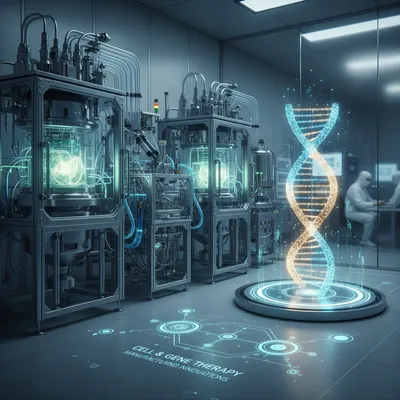
The ASGCT meeting highlighted advancements in cell therapy manufacturing, focusing on efficiency and scalability. Experts addressed challenges in supply chain logistics and quality control.
Key Takeaways
- The ASGCT meeting highlighted significant advancements in cell therapy manufacturing, focusing on improving efficiency and scalability.
- Experts at the meeting addressed key challenges in cell therapy manufacturing, including supply chain logistics and stringent quality control requirements.
- Discussions centered on innovative technologies and strategies aimed at reducing costs and enhancing the accessibility of cell therapies.
The American Society of Gene & Cell Therapy (ASGCT) Annual Meeting served as a platform to showcase the latest innovations in cell therapy manufacturing. The meeting convened experts from across the globe to discuss advancements, challenges, and future directions in this rapidly evolving field.
Cell therapy manufacturing is a critical area within the broader landscape of gene and cell therapies. Efficient, scalable, and cost-effective manufacturing processes are essential to bringing these potentially life-saving treatments to a wider patient population. The ASGCT meeting provided a forum to explore cutting-edge technologies and strategies aimed at optimizing manufacturing workflows.
Manufacturing Advancements
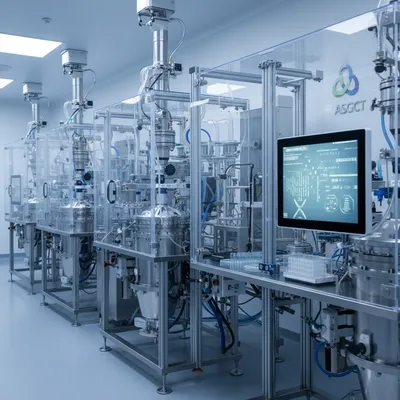
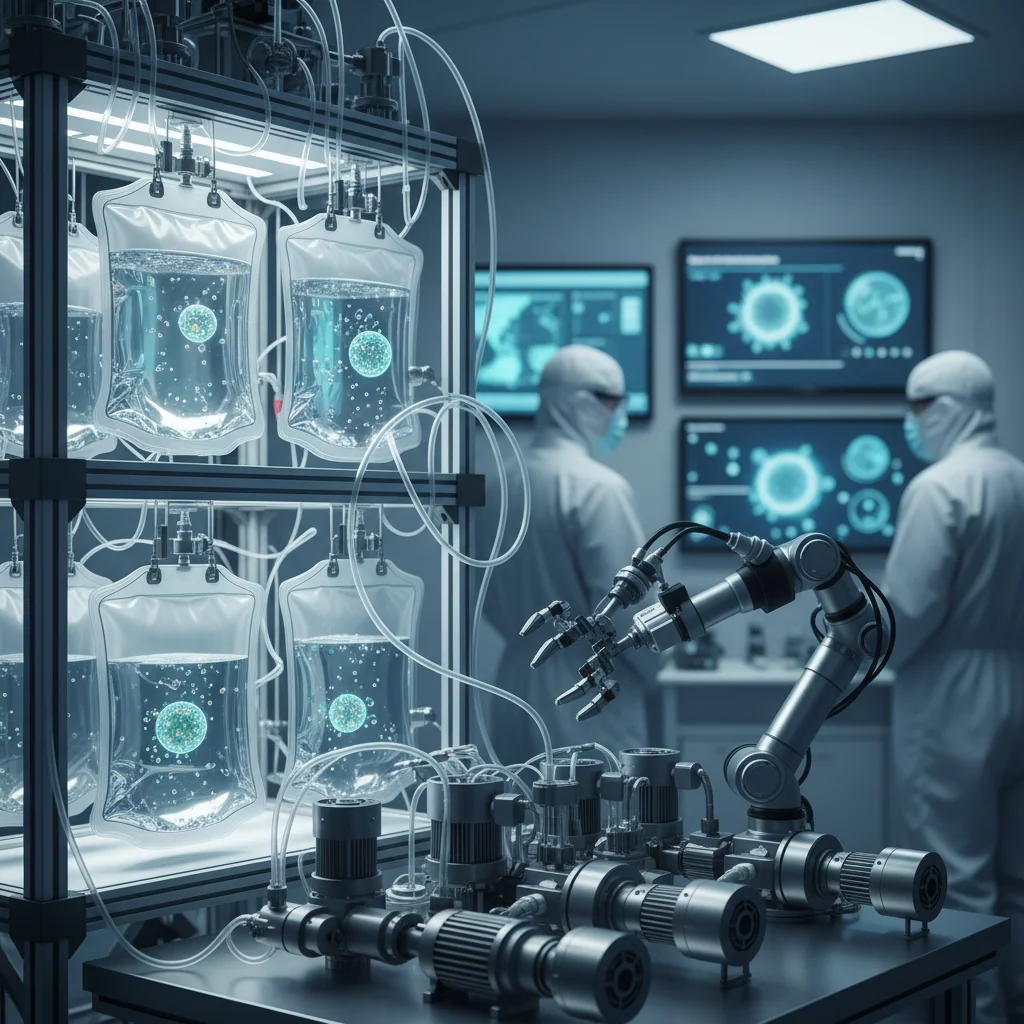
Presentations at the ASGCT meeting highlighted several key innovations in cell therapy manufacturing. These included advancements in bioreactor technology, closed system processing, and automation. Such improvements aim to reduce manual handling, minimize contamination risks, and increase overall production yields.
Efficiency, scalability, and cost-effectiveness were recurring themes throughout the manufacturing-focused sessions. Researchers and industry professionals presented data on novel methods for cell expansion, gene editing, and cell selection, all geared towards streamlining the manufacturing process and reducing costs associated with cell therapy production.
Challenges and Solutions
The ASGCT meeting also addressed the significant challenges that remain in cell therapy manufacturing. Supply chain complexities, including the sourcing and transportation of starting materials, were identified as a major bottleneck. Quality control and assurance were also highlighted as critical areas requiring further development to ensure the safety and efficacy of cell therapies.
Potential solutions discussed included the implementation of robust tracking and tracing systems, the development of standardized manufacturing protocols, and the adoption of advanced analytical techniques for real-time monitoring of product quality. Regulatory considerations and compliance requirements were also addressed, with a focus on harmonizing standards across different regions to facilitate global access to cell therapies.
Expert Insights
Leading experts in the field shared their perspectives on the future of cell therapy manufacturing. They emphasized the importance of collaboration between academia, industry, and regulatory agencies to drive innovation and overcome existing challenges. The potential for personalized manufacturing approaches, tailored to individual patient needs, was also discussed as a promising avenue for future research and development.
The insights shared at the ASGCT meeting underscored the transformative potential of cell therapies and the critical role of manufacturing innovation in realizing this potential. As the field continues to evolve, ongoing efforts to optimize manufacturing processes will be essential to ensuring that these life-changing treatments are accessible to all patients who may benefit from them.
What to watch next
Continued innovation in automation, closed systems, and analytical technologies will be crucial. Also, keep an eye on regulatory harmonization efforts to streamline global access to cell therapies.
Frequently Asked Questions
-
What were the main topics discussed at the ASGCT meeting regarding cell therapy manufacturing?
The main topics included advancements in manufacturing processes, challenges in scalability and supply chain logistics, and strategies for improving cost-effectiveness and quality control.
-
What are some of the key challenges in cell therapy manufacturing?
Key challenges include supply chain complexities, ensuring consistent product quality, and reducing manufacturing costs to improve accessibility.
-
What solutions were proposed to address these challenges?
Proposed solutions included implementing robust tracking systems, standardizing manufacturing protocols, and adopting advanced analytical techniques for real-time monitoring of product quality.
References
- American Society of Gene & Cell Therapy (ASGCT) Annual Meeting.