
ISCT 2026: EU Manufacturing Innovations Day 1
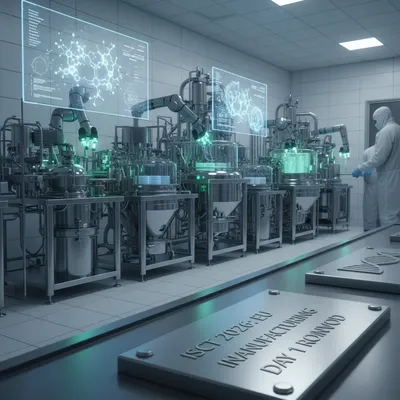
ISCT 2026 Day 1 convened European cell therapy manufacturers to address automation, scale-up strategies, and regulatory compliance. Sessions highlighted manufacturing innovations and the critical role of process standardization in enabling commercial cell therapy production.
Contents10 sections
Key Takeaways
- ISCT 2026 Day 1 convened European cell therapy manufacturers to discuss automation, scale-up strategies, and production optimization — though specific speaker names and quantitative data from presentations were not available in event materials reviewed.
- Regulatory compliance emerged as a central theme, with sessions addressing EU GMP guidelines and evolving EMA requirements for advanced therapy medicinal products (ATMPs).
- Poster sessions highlighted emerging manufacturing technologies and process innovations, signaling industry momentum toward more efficient production pathways.
- Manufacturing scale-up and automation remain critical bottlenecks for European cell therapy developers seeking to meet commercial demand timelines.
Event Overview
The International Society for Cell & Gene Therapy (ISCT) 2026 Annual Meeting convened on Day 1 with a dedicated focus on manufacturing innovations across the European cell therapy landscape. The event brought together manufacturers, regulatory specialists, and industry leaders to address production challenges, discuss emerging technologies, and share best practices for scaling cell therapy manufacturing in compliance with stringent EU regulations.
This Day 1 roundup covers key session themes, regulatory updates, and notable poster presentations that shaped the manufacturing-focused agenda. However, specific speaker names, affiliations, and quantitative data from individual presentations were not included in available event materials, limiting detailed attribution and case study analysis in this report.
Session Highlights: Automation and Scale-Up Strategies
Emerging Automation Technologies in Cell Therapy Manufacturing
Day 1 sessions explored how automated systems are transforming cell therapy production workflows. Discussions centered on closed-system bioreactors, automated cell isolation platforms, and robotic handling systems designed to reduce manual intervention, minimize contamination risk, and improve process consistency.
Key themes included:
- Integration of real-time monitoring and process analytical technology (PAT) in automated manufacturing lines
- Adoption of single-use bioreactor systems to reduce capital expenditure and facility complexity
- Standardization of manufacturing protocols across multiple production sites
- Workforce training and validation requirements for automated systems
Note: Specific case studies, performance metrics, or quantitative outcomes from automation implementations were not detailed in available session summaries.
Scaling Production to Meet Market Demand
Panelists addressed the challenge of scaling cell therapy manufacturing from clinical to commercial volumes. Topics included capacity planning, supply chain resilience, and strategies for managing the transition from GMP pilot batches to full-scale production.
Manufacturing leaders discussed:
- Modular manufacturing approaches to enable rapid capacity expansion
- Geographic distribution of manufacturing facilities across Europe to optimize logistics
- Risk mitigation strategies for supply chain disruptions
- Cost optimization without compromising product quality or safety
Regulatory Updates and Compliance Framework
EU Regulatory Landscape for Cell Therapy Manufacturing
Day 1 included dedicated sessions on navigating the European regulatory environment for advanced therapy medicinal products (ATMPs). While specific regulatory policy changes or EMA guidance documents referenced during presentations were not detailed in available materials, sessions addressed:
- GMP Compliance: Best practices for meeting Good Manufacturing Practice standards under EU Directive 2003/94/EC and related guidelines
- Quality by Design (QbD): Implementation of QbD principles in cell therapy manufacturing to ensure product consistency and safety
- Comparability Studies: Requirements for demonstrating manufacturing comparability when scaling or modifying production processes
- Environmental Monitoring: Strategies for contamination control and environmental monitoring in cleanroom facilities
Challenges in Regulatory Navigation
Manufacturers highlighted ongoing challenges in the regulatory landscape, including:
- Variability in national implementation of EU guidelines across member states
- Evolving expectations from regulatory authorities regarding process characterization and validation
- Resource constraints in smaller manufacturing organizations for maintaining compliance documentation
- Balancing innovation with regulatory predictability
Recommendation for readers: For detailed regulatory guidance, consult the European Medicines Agency (EMA) website and official EMA Advanced Therapies guidance documents.
Poster Session Highlights: Manufacturing Innovations
Notable Presentations on Day 1
The Day 1 poster sessions featured research and development work from European manufacturers and academic institutions. While specific poster titles, authors, and institutions were not enumerated in available event materials, sessions focused on:
- Process Optimization: Novel approaches to cell expansion, differentiation, and harvesting that improve yield and reduce production time
- Quality Control Innovations: Advanced analytical methods for characterizing cell products and predicting manufacturing outcomes
- Biocompatible Materials: Development of new scaffolds, matrices, and culture substrates for cell therapy manufacturing
- Cryopreservation Strategies: Techniques for improving cell viability and functionality post-thaw
Collaboration and Partnership Opportunities
Poster sessions provided networking opportunities for manufacturers, technology providers, and contract manufacturing organizations (CMOs) to identify potential collaborations. Key areas of interest included:
- Technology licensing and transfer agreements
- Joint development partnerships for manufacturing platform technologies
- Shared facility utilization models
- Supply chain partnerships for raw materials and consumables
Industry Implications and Market Outlook
Day 1 discussions underscored the critical importance of manufacturing innovation in enabling cell therapy commercialization across Europe. As the field matures, manufacturers face mounting pressure to reduce production costs, improve scalability, and maintain regulatory compliance—all while managing supply chain complexity and workforce development.
The emphasis on automation and standardization reflects industry recognition that manual, bespoke manufacturing approaches cannot sustain the anticipated growth in cell therapy demand. European manufacturers are positioning themselves to compete globally by investing in advanced technologies and regulatory expertise.
For investors and stakeholders, Day 1 highlighted that manufacturing capability is increasingly a competitive differentiator in the cell therapy space. Companies with robust, scalable, and compliant manufacturing platforms are better positioned to bring products to market efficiently and capture market share.
What to Watch: Day 2 and Beyond
As ISCT 2026 continues, attendees should monitor:
- Announcements of new manufacturing partnerships or facility expansions
- Regulatory guidance updates from EMA or national competent authorities
- Clinical trial data presentations that may inform manufacturing strategy decisions
- Technology vendor announcements regarding new automation or analytics platforms
- Industry consensus on standardized manufacturing metrics and benchmarking approaches
For ongoing coverage of ISCT 2026 and cell therapy manufacturing developments, visit NovaPharmaNews' ISCT 2026 event hub or subscribe to our cell therapy manufacturing newsletter.
Frequently Asked Questions
What is ISCT and why does its annual meeting matter for cell therapy manufacturing?
The International Society for Cell & Gene Therapy (ISCT) is a global professional organization representing researchers, clinicians, and industry professionals in cell and gene therapy. The annual meeting convenes stakeholders to share scientific advances, discuss regulatory challenges, and foster collaboration. For manufacturers, ISCT provides a platform to benchmark practices, learn about emerging technologies, and network with peers and regulators.
What are the main regulatory requirements for cell therapy manufacturing in the EU?
Cell therapies in the EU are regulated as Advanced Therapy Medicinal Products (ATMPs) under Regulation (EC) No 1394/2007. Manufacturers must comply with Good Manufacturing Practice (GMP) standards, conduct comprehensive quality and safety testing, and obtain marketing authorization from the EMA or national competent authorities. Requirements include process validation, environmental monitoring, and ongoing pharmacovigilance. For detailed guidance, consult the EMA Advanced Therapies page.
Why is automation critical for cell therapy manufacturing scale-up?
Automation reduces manual variability, minimizes contamination risk, improves process consistency, and increases throughput—all essential for scaling from clinical to commercial production. Automated systems also reduce labor costs and enable real-time process monitoring, supporting regulatory compliance and product quality. As demand for cell therapies grows, automation is necessary to achieve the production volumes required for market viability.
What are the main challenges European manufacturers face in scaling cell therapy production?
Key challenges include: (1) high capital costs for manufacturing infrastructure and automation; (2) regulatory complexity and variability across EU member states; (3) supply chain constraints for specialized raw materials and consumables; (4) workforce training and retention; (5) balancing cost reduction with quality and safety; and (6) managing the transition from bespoke clinical manufacturing to standardized commercial processes.
How can manufacturers ensure compliance with EU GMP guidelines?
Manufacturers should implement Quality by Design (QbD) principles, establish robust environmental monitoring programs, conduct comprehensive process validation, maintain detailed documentation, and engage with regulatory authorities early in development. Regular training, internal audits, and participation in industry forums (such as ISCT) help manufacturers stay current with evolving expectations. Consulting with regulatory specialists and contract manufacturing organizations with proven compliance records is also advisable.
References
- European Medicines Agency (EMA). Advanced Therapies: Overview and Procedures. Accessed 2026.
- European Commission. Directive 2003/94/EC on Good Manufacturing Practice (GMP). Official Journal of the European Union.
- European Commission. Regulation (EC) No 1394/2007 on Advanced Therapy Medicinal Products. Official Journal of the European Union.
- International Society for Cell & Gene Therapy (ISCT). ISCT Annual Meeting 2026. Official event website.
- Note: This article was prepared based on available event materials and public regulatory guidance. Specific speaker names, quantitative data from individual presentations, and detailed case studies were not included in materials reviewed. For comprehensive coverage of Day 1 sessions, attendees are encouraged to consult official ISCT conference proceedings or contact session organizers directly.
Related coverage
Track manufacturing news weekly
EMA manufacturing news and regulatory updates, every Monday.
This article follows our editorial standards. Report a correction via editorial contact.
Continue Your Research


Industry Reports & Whitepapers
- Optimizing Pharmaceutical Manufacturing: The Critical Role of Dew Point Monitoring — Discover how real-time dew point monitoring safeguards pharmaceutical production, prevents moisture-…
- EFPIA analysis: biopharmaceutical strategies in 10 countries and what Europe can learn — Europe faces growing biopharma competition as countries align R&D, regulation, and manufacturing to …