WHO Declares Ebola Outbreak an International Emergency
The WHO has declared the Ebola outbreak an international public health emergency, prompting critical responses from the pharmaceutical sector. This article explores the implications for business and investment.
Contents5 sections
WHO Declares Ebola Outbreak an International Emergency
The WHO has declared the Ebola outbreak an international public health emergency, prompting critical responses from the pharmaceutical sector. This article explores the implications for business and investment. The declaration serves as a stark reminder of the ever-present threat of infectious diseases and the vital role pharma plays in global health security. For companies, it's a call to action—and a potential business opportunity.
What Happened with the Ebola Outbreak?
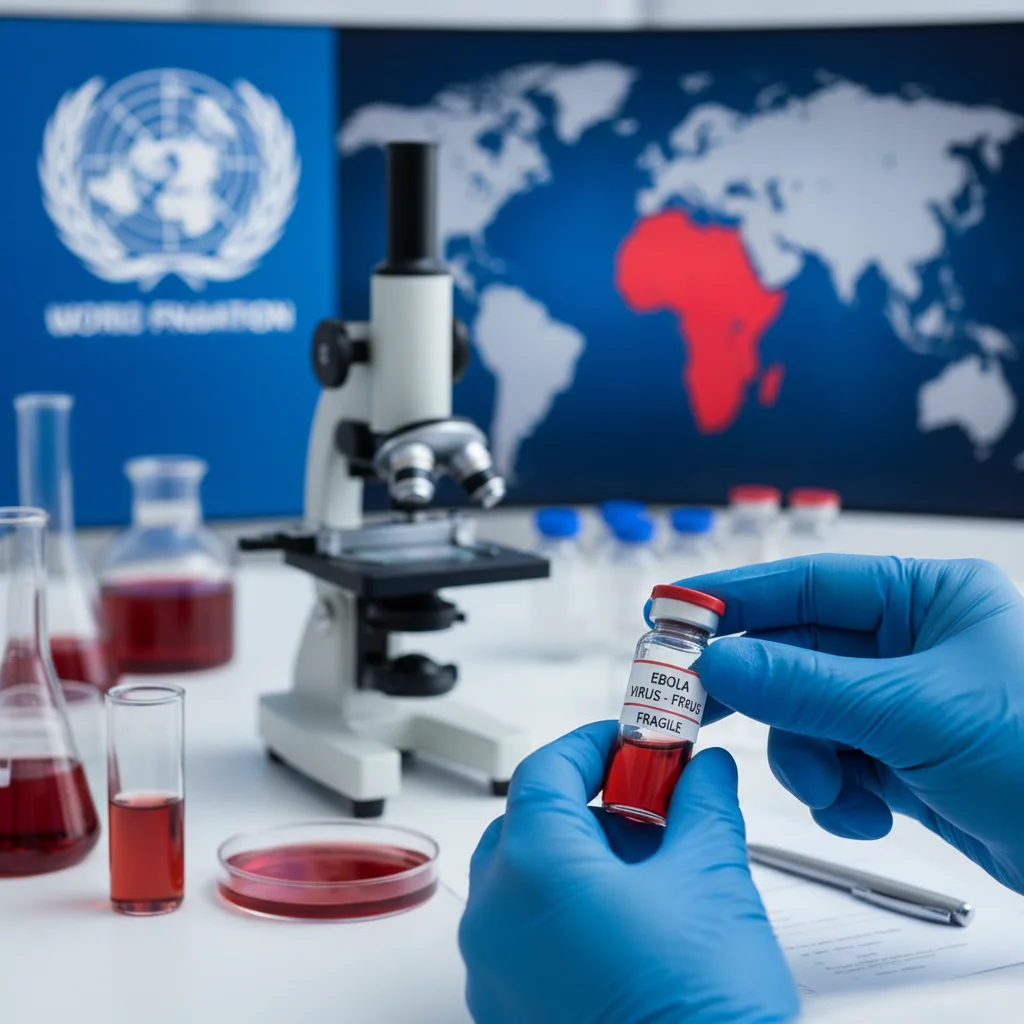
The WHO has officially declared the ongoing Ebola outbreak in the Democratic Republic of Congo and Uganda as an international public health emergency. The declaration, issued after a series of emergency meetings, reflects growing concerns about the outbreak's rapid spread and severity. The agency cited several factors, including the virus's presence in densely populated areas and cross-border transmission, as reasons for the heightened alert. This isn't just a health crisis—it's a geopolitical one.
What Are the Key Takeaways for Pharma Stakeholders?
For pharmaceutical companies, the WHO's declaration presents a complex landscape of challenges and opportunities. The need for effective Ebola vaccines and treatments is now more urgent than ever. But what does this mean in concrete terms?
- Immediate need for vaccine and treatment development. Expect a surge in R&D efforts.
- Increased funding opportunities from global health organizations. Think CEPI, Wellcome Trust, and others.
- Potential for partnerships with biotech firms. Collaboration is key to rapid progress.
- Heightened regulatory scrutiny and compliance requirements. No cutting corners here.
These factors will significantly shape the industry's response. Companies that can quickly adapt and innovate stand to gain a competitive edge—and contribute to saving lives.
What Are the Implications for Pharmaceutical Teams?
Pharma companies must immediately assess their strategic positioning. That means evaluating R&D pipelines, considering market entry strategies, and preparing for potential collaborations with global health entities. A comprehensive approach is essential.
First, companies need to evaluate their existing portfolio. Are there any repurposed drugs that could be effective against Ebola? Second, assess the market landscape. What are the potential barriers to entry, and how can they be overcome? Third, engage with global health organizations. Building relationships now can lead to valuable partnerships down the road.
The declaration also has implications for clinical trials. Expect increased regulatory scrutiny and a focus on ethical considerations. Patient safety and data integrity must be paramount. Anything less is unacceptable.
Separately, the declaration could trigger a wave of M&A activity. Smaller biotech firms with promising Ebola treatments could become attractive targets for larger pharmaceutical companies. Strategic acquisitions could accelerate the development and distribution of new therapies.
Related coverage
Track Ebola news weekly
FDA ebola news and regulatory updates, every Monday.
Sources & references 1 primary sources
Sources verified at publication. See our editorial policy and data sources.
This article follows our editorial standards. Report a correction via editorial contact.