23andMe Connects DNA Data with Medical Records: Implications for Pharma
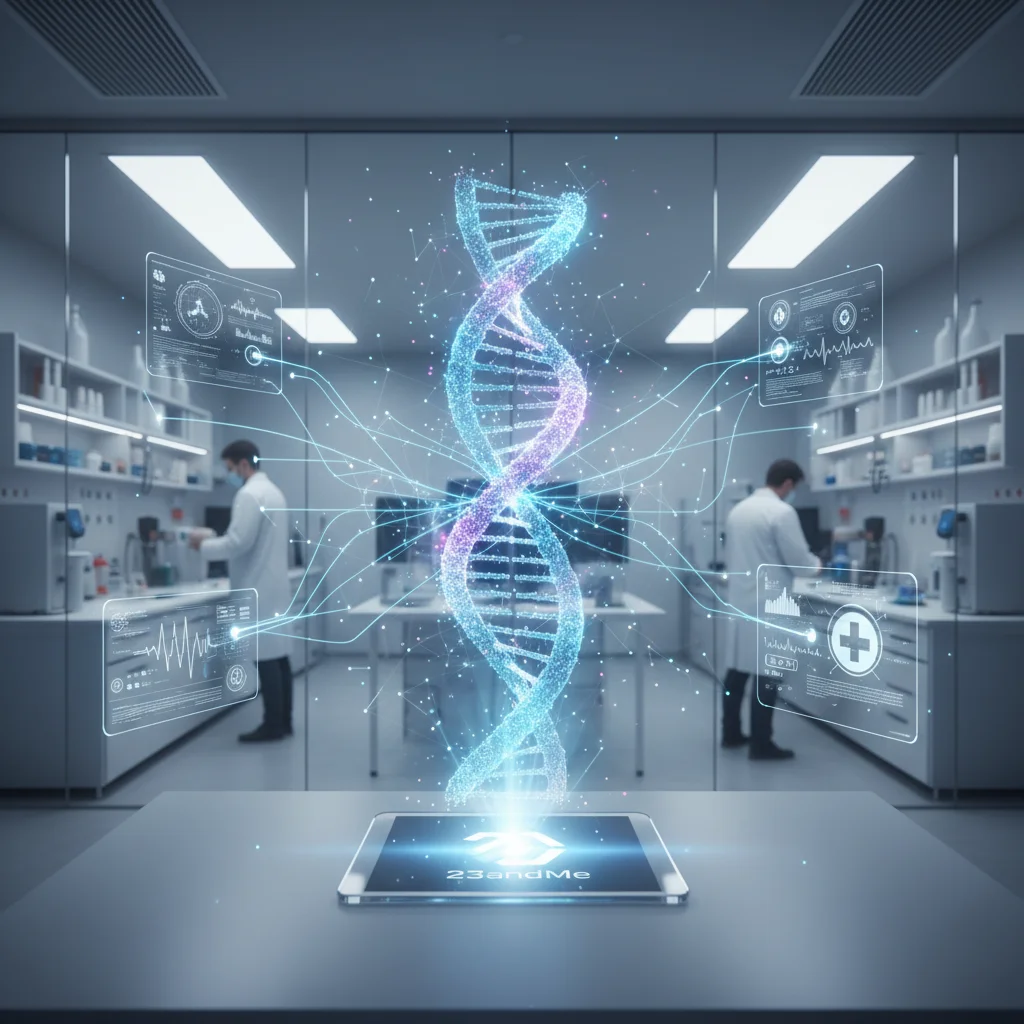
23andMe is now connecting users’ DNA data with their medical records, raising significant implications for the pharmaceutical sector. This article explores the potential impacts and opportunities.
Contents5 sections
23andMe Connects DNA Data with Medical Records: Implications for Pharma
23andMe is now connecting users’ DNA data with their medical records, raising significant implications for the pharmaceutical sector. This article explores the potential impacts and opportunities. The move promises to reshape drug development, clinical trials, and personalized medicine. But what does it really mean for pharma's bottom line?
What are the Key Takeaways?
This initiative from 23andMe could significantly enhance personalized medicine. Improved patient outcomes through data integration are a real possibility. Data privacy and regulatory considerations come sharply into focus. And, of course, opportunities for pharma partnerships with genetic data providers are on the horizon.
What Happened with 23andMe?
23andMe announced a new service. It allows users to connect their genetic data with their medical records. The aim? To create a comprehensive health profile. One that could inform treatment options. And, crucially, drug development. This is a seismic shift.
The implications are vast. Imagine a world where drug efficacy is predicted based on individual genetic profiles. We might be closer than we think.
What Does This Mean for Pharma Teams?
This development presents both challenges and opportunities for pharmaceutical companies. Adapt to new data privacy regulations, or be left behind. Potential partnerships for drug development are ripe for the picking. And the ability to leverage genetic insights for targeted therapies is within reach. But how should pharma respond?
First, pharma must grapple with evolving data privacy regulations. GDPR and similar laws will heavily influence how genetic data can be used and shared. Collaboration is key. Partnerships with companies like 23andMe could unlock new avenues for drug discovery. Targeted therapies, tailored to specific genetic markers, could become the norm.
Still, the path isn't without its hurdles. Data security is paramount. Patient consent must be handled with utmost care. Regulatory scrutiny will intensify. Pharma companies that prioritize ethical data handling will gain a competitive edge.
What's next? Watch for increased M&A activity in the genetic data space. Keep an eye on regulatory changes. And, most importantly, consider the ethical implications of leveraging genetic information in drug development. The future of pharma may depend on it.
Related coverage
Stay Updated on Pharma News
Get the latest drug approvals, clinical trials, and regulatory updates delivered to your inbox.
Sources & references 1 primary sources
Sources verified at publication. See our editorial policy and data sources.
This article follows our editorial standards. Report a correction via editorial contact.