Trump's Cuts to Foreign Aid: Implications for Ebola Response
This article examines the implications of Trump's foreign aid cuts on the Ebola response, highlighting key insights for pharmaceutical stakeholders.
Executive Summary
- This article examines the implications of Trump's foreign aid cuts on the Ebola response, highlighting key insights for pharmaceutical stakeholders.
Market Impact
| Regulatory | medium |
|---|---|
| Commercial | medium |
| Competitive | low |
| Investment | low |
Ask about this article
AI-assisted answers grounded in NovaPharmaNews intelligence
Answers use retrieved site intelligence plus AI synthesis. Verify critical decisions with primary sources.
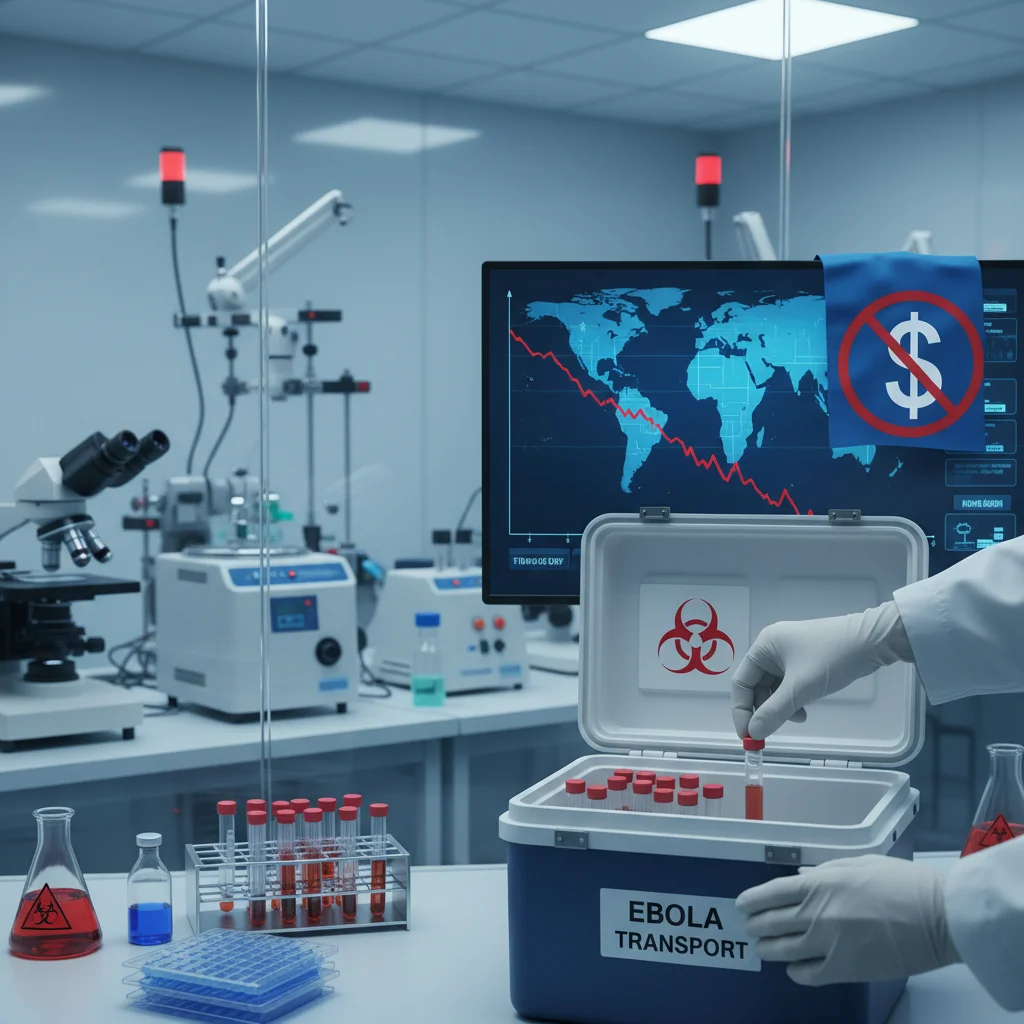
Trump's Cuts to Foreign Aid: Implications for Ebola Response
Trump's foreign aid cuts—a move that's reverberating through global health circles. This article? It examines the implications for the Ebola response, offering key insights for pharma. These cuts are already undermining crucial efforts. The specter of increased competition looms. Pharma companies now face a landscape reshaped by shifting priorities and potential market volatility.
What Are the Key Takeaways?
Foreign aid cuts are jeopardizing Ebola response efforts—no doubt about it. Pharmaceutical companies may face increased competition in affected regions as a result. Investors? They should closely monitor the impact on public health initiatives. The real kicker: potential for increased demand for Ebola treatments in the absence of strong aid programs.
What Happened with Foreign Aid?
Recent cuts to U.S. foreign aid have triggered widespread concern—and rightfully so. The primary worry? The ongoing Ebola response in the Democratic Republic of the Congo (DRC) is now at significantly greater risk. Implemented during the Trump administration, these cuts directly impact funding for essential healthcare infrastructure and personnel. Less funding means less support on the ground. Simple as that.
The DRC has struggled with recurring Ebola outbreaks for years. Foreign aid has been instrumental in providing resources for surveillance, treatment, and prevention. Now, with reduced financial support, these efforts face significant setbacks. That's a problem of global proportions.
How Do These Cuts Affect Pharma Teams?
The reduction in foreign aid could lead to a rise in Ebola cases. And this, in turn, creates a pressing need for pharmaceutical interventions. Market dynamics could be altered as a result. Consider the implications: an increased burden on local healthcare systems, greater demand for Ebola treatments and vaccines, and potentially a more competitive landscape for pharma companies operating in the region. It's a complex web.
Several pharma companies have invested heavily in Ebola research and development. These include manufacturers of treatments and vaccines. But these companies may now face increased competition as the need for their products grows. That's a new dynamic—and a potentially cutthroat one. This could also lead to pricing pressures and challenges in ensuring equitable access to these life-saving medications.
Still, some argue the cuts will force greater efficiency. The jury's still out.
What's the Competitive Outlook?
Competition in the Ebola treatment and vaccine market is already fierce. A few key players dominate the field. Merck, for instance, secured FDA approval for its Ebola vaccine, Ervebo, back in 2019. Other companies are also vying for market share. The foreign aid cuts could intensify this competition. Companies may need to adjust their strategies to navigate the changing landscape—or risk getting left behind.
On the M&A front: Expect increased dealmaking as companies seek to consolidate their positions in the market. Partnerships and collaborations may become more crucial. Smaller players may seek to be acquired by larger companies to gain access to resources and expertise. Survival of the fittest, as they say.
What Should Investors Watch For?
Investors should closely monitor the evolving situation in the DRC. Keep an eye on the number of Ebola cases. Track government responses, and the activities of pharmaceutical companies in the region. Any significant increase in cases could lead to increased demand for treatments and vaccines. This, in turn, could impact the financial performance of companies involved in Ebola research and development. The situation remains fluid. Vigilance is key—and could pay off big.