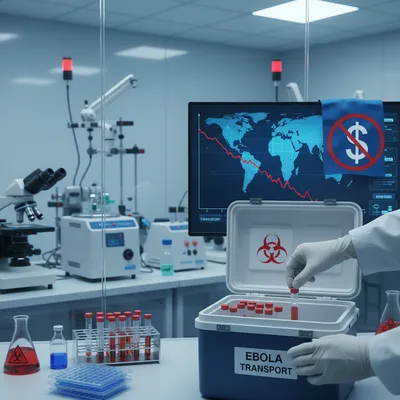
Ebola Outbreak: American Exposure in Congo Raises Concerns
The recent Ebola outbreak in Congo has raised alarms as several Americans are believed to have been exposed. This article explores the implications for pharmaceutical teams.
Executive Summary
- The recent Ebola outbreak in Congo has raised alarms as several Americans are believed to have been exposed. This article explores the implications for pharmaceutical teams.
Market Impact
| Regulatory | medium |
|---|---|
| Commercial | medium |
| Competitive | low |
| Investment | low |
Ask about this article
AI-assisted answers grounded in NovaPharmaNews intelligence
Answers use retrieved site intelligence plus AI synthesis. Verify critical decisions with primary sources.
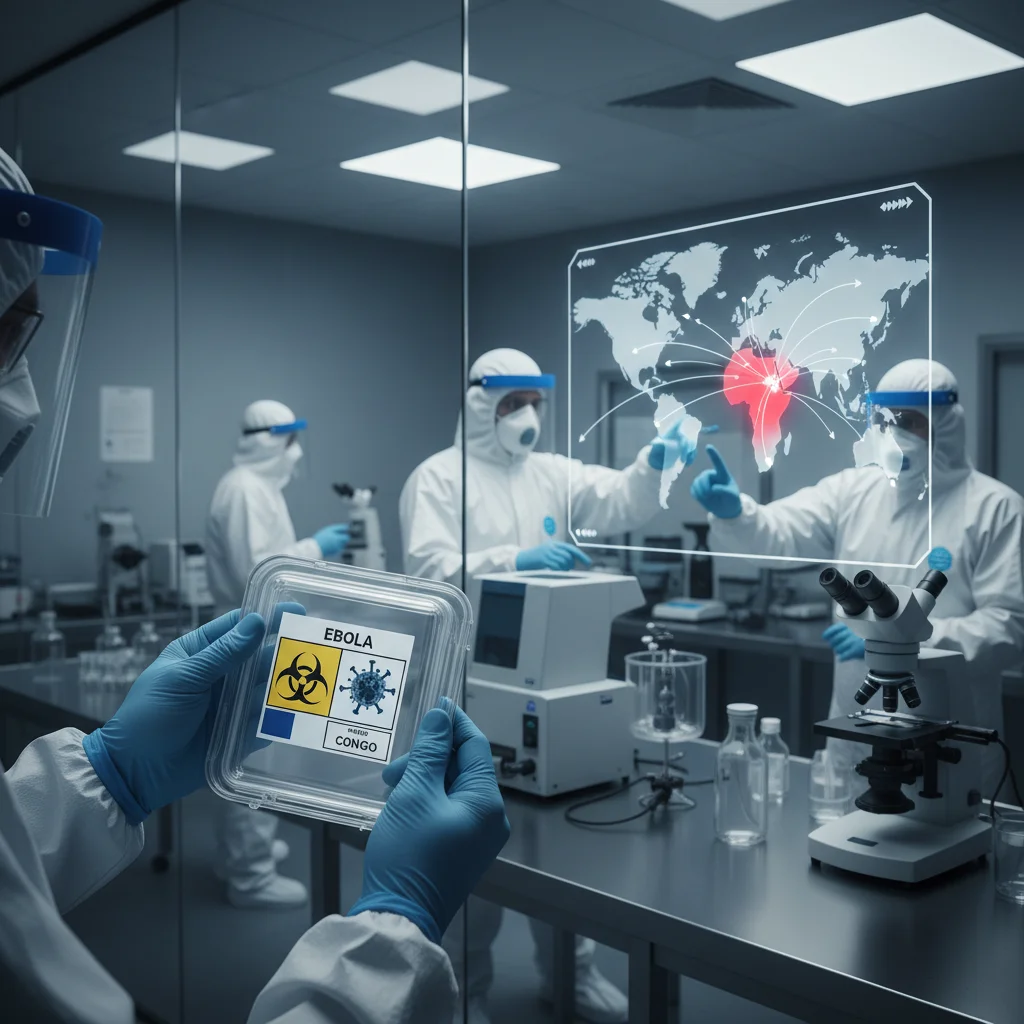
Ebola Outbreak: American Exposure in Congo Raises Concerns
The recent Ebola outbreak in Congo has raised alarms as several Americans are believed to have been exposed. This article explores the implications for pharmaceutical teams. Immediate responses are underway — but what does this mean for vaccine development, market readiness, and investor confidence? Here's what drug developers need to know.
What are the Key Takeaways?
The situation is fluid. Several Americans in the Congo may have been exposed to Ebola, triggering immediate public health responses to contain the outbreak. For pharma, preparation is critical. Pharmaceutical companies need to prepare for potential vaccine and treatment demands. Investors should monitor the situation closely for market implications. What happens next matters.
What Happened During the Ebola Outbreak?
The Democratic Republic of Congo has experienced recurring Ebola outbreaks. This is not new. The current situation involves suspected cases and, critically, potential exposure of American citizens working in the region. Details are still emerging. Contact tracing is underway to determine the full extent of exposure and prevent further spread. The CDC is on the ground. But the risk to American interests is undeniable.
Still, the specifics of the exposure remain unclear. Were these healthcare workers? Aid personnel? The answers matter. The nature of their roles will dictate the types of interventions needed and the potential scale of the response. The WHO is also involved, coordinating international efforts to support the Congolese government.
What Does This Mean for Pharmaceutical Teams?
The outbreak presents both challenges and opportunities for pharmaceutical companies. On the one hand, it underscores the urgent need for effective Ebola vaccines and treatments. On the other, it creates a complex commercial landscape. The competitive impact could be substantial. Companies with existing Ebola programs, like Johnson & Johnson and Merck, are likely to be in the spotlight.
Vaccine development is paramount. But manufacturing and distribution also pose significant hurdles, especially in resource-limited settings like the Congo. Supply chains must be robust. Regulatory pathways need to be expedited. Collaboration between pharma, governments, and international organizations will be essential. No question.
Market readiness is another key consideration. Will there be sufficient demand to justify investment in Ebola programs? That’s the billion-dollar question. The answer depends on the frequency and severity of future outbreaks. It also hinges on the willingness of governments and global health organizations to stockpile vaccines and treatments as a preventative measure. The market is uncertain. But the need is real.