
Drugs: Alpha DaRT, capecitabine, mFOLFIRINOX
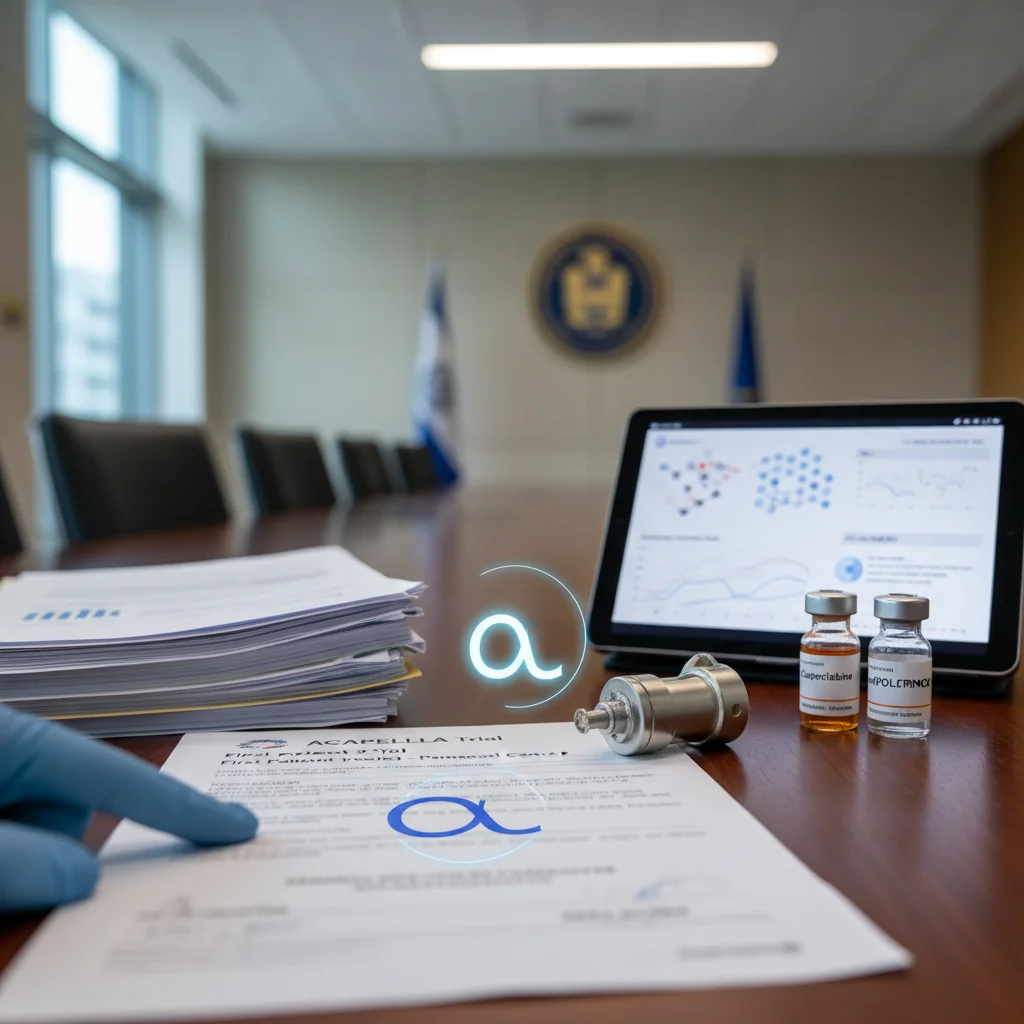
Alpha Tau Treats First Patient with Alpha DaRT in European Pancreatic Cancer Trial ACAPELLA
Alpha Tau initiates Alpha DaRT treatment in ACAPELLA trial for locally advanced pancreatic cancer, addressing unmet need for 42,000 European patients annually.
Intelligence Snapshot
Executive Summary
Alpha Tau successfully treated the first patient with Alpha DaRT alpha-emitter radiotherapy in the European ACAPELLA clinical trial for locally advanced pancreatic cancer
Key Insights
-
The trial targets approximately 42,000 European patients annually who have inoperable…
The trial targets approximately 42,000 European patients annually who have inoperable pancreatic cancer with no standard consolidation therapy options
-
Alpha DaRT combines novel alpha-emitter radiotherapy with capecitabine chemotherapy for…
Alpha DaRT combines novel alpha-emitter radiotherapy with capecitabine chemotherapy for patients who completed first-line mFOLFIRINOX treatment
Market Impact
| Regulatory | medium |
|---|---|
| Commercial | medium |
| Competitive | low |
| Investment | low |
Loading intelligence…
Executive Scorecard
Heuristic scores · directional, not investment adviceRegulatory catalyst tracker
Track PDUFA dates, approval milestones, and label updates for Alpha DaRT.
Unlock full calendar →Contents9 sections
Key Takeaways
- Alpha Tau successfully treated the first patient with Alpha DaRT alpha-emitter radiotherapy in the European ACAPELLA clinical trial for locally advanced pancreatic cancer
- The trial targets approximately 42,000 European patients annually who have inoperable pancreatic cancer with no standard consolidation therapy options
- Alpha DaRT combines novel alpha-emitter radiotherapy with capecitabine chemotherapy for patients who completed first-line mFOLFIRINOX treatment
Alpha Tau Medical has achieved a significant milestone by treating the first patient with its Alpha DaRT (Diffusing Alpha-emitters Radiation Therapy) technology in the European ACAPELLA clinical trial for locally advanced pancreatic cancer (LAPC). This multicenter Phase 2/3 trial represents a breakthrough approach for patients facing one of oncology’s most challenging diagnoses.
Addressing Critical Unmet Medical Need
The ACAPELLA trial specifically targets patients with inoperable locally advanced pancreatic cancer who have completed first-line mFOLFIRINOX chemotherapy. This patient population represents approximately 30% of the estimated 140,000 Europeans diagnosed with pancreatic cancer annually, translating to roughly 42,000 patients who currently lack standard consolidation therapy options.
“This population has a particularly poor prognosis despite completing the best available systemic treatment,” according to the trial documentation. The absence of established consolidation therapies creates a significant gap in pancreatic cancer care that Alpha DaRT aims to address.
IntelligenceRegulatory Impact
EMA and MHRA are the agencies to watch. Regulatory relevance reads medium for pancreatic cancer, with Alpha DaRT, capecitabine, and mFOLFIRINOX most exposed to upcoming decisions. Teams should track submission types, designations, and guidance shifts that could move approval timelines.
Revolutionary Alpha-Emitter Technology
Alpha DaRT represents a novel approach to cancer treatment, utilizing alpha-emitter radiotherapeutics combined with capecitabine chemotherapy. Unlike conventional radiation therapy, alpha particles deliver highly targeted, high-energy radiation with minimal damage to surrounding healthy tissue. This precision is particularly crucial in pancreatic cancer treatment, where the organ’s proximity to vital structures limits traditional radiation options.
The technology works by implanting radioactive seeds directly into tumors, where they continuously emit alpha particles over several weeks. This sustained, localized radiation exposure aims to destroy cancer cells while preserving healthy pancreatic and surrounding tissue.
IntelligenceCompetitive Intelligence
Competitive pressure is low. Watch which sponsors move first. Benchmark pipeline positioning, differentiation, and partnership scouting against the signals in this story.
Market Impact and Clinical Significance
Pancreatic cancer remains one of the deadliest malignancies, with five-year survival rates below 10%. The disease’s aggressive nature and resistance to conventional treatments have made it a priority target for innovative therapeutic approaches. Alpha Tau’s entry into this space with a novel mechanism of action could potentially transform treatment paradigms.
The European market for pancreatic cancer treatments represents a substantial opportunity, with the addressable patient population for Alpha DaRT estimated in the tens of thousands annually. Success in the ACAPELLA trial could position Alpha Tau as a leader in alpha-emitter radiotherapy, with potential applications extending beyond pancreatic cancer to other solid tumors.
IntelligenceMarket Signals
Commercial pull is medium and investment relevance low. Expect implications for pancreatic cancer pricing, access, and launch sequencing.
Trial Design and Next Steps
The ACAPELLA trial is designed as a multicenter study across European institutions, evaluating the safety and efficacy of Alpha DaRT combined with capecitabine in the consolidation setting. The trial’s initiation with the first patient treatment marks the beginning of what could be a pivotal study for both Alpha Tau and pancreatic cancer patients.
While treating the first patient represents an important milestone, investors and clinicians will be closely monitoring safety data and early efficacy signals as the trial progresses. The novel nature of alpha-emitter therapy means that establishing both safety profiles and treatment protocols will be critical for broader adoption.
IntelligenceStrategic Takeaways
Alpha Tau successfully treated the first patient with Alpha DaRT alpha-emitter radiotherapy in the European ACAPELLA clinical trial for locally advanced pancreatic cancer The trial targets approximately 42,000 European patients annually who have inoperable pancreatic cancer with no standard consolidation therapy options Alpha DaRT combines novel alpha-emitter radiotherapy with capecitabine chemotherapy for patients who completed first-line mFOLFIRINOX treatment
Competitive Landscape
Alpha Tau enters a competitive oncology landscape where companies are pursuing various approaches to pancreatic cancer treatment, including immunotherapy combinations, targeted therapies, and novel drug delivery systems. However, the alpha-emitter approach represents a relatively unique mechanism that could differentiate Alpha DaRT from existing treatment options.
The success of ACAPELLA could validate alpha-emitter radiotherapy as a new treatment modality, potentially opening doors for expanded indications and combination strategies across multiple cancer types.
Frequently Asked Questions
What does this mean for pancreatic cancer patients?
This trial offers hope for patients with locally advanced pancreatic cancer who have completed first-line chemotherapy but have no standard treatment options. If successful, Alpha DaRT could provide a new consolidation therapy that may improve outcomes for approximately 42,000 European patients annually who currently face limited options.
When will Alpha DaRT be available for pancreatic cancer treatment?
Alpha DaRT is currently in Phase 2/3 clinical trials through the ACAPELLA study. If the trial is successful, the therapy would still need regulatory approval from European medicines agencies. This process typically takes several years, so widespread availability is likely still 3-5 years away, pending positive trial results.
How does Alpha DaRT compare to existing pancreatic cancer treatments?
Alpha DaRT uses alpha-emitter radiotherapy, which delivers highly targeted radiation directly to tumors with minimal damage to surrounding healthy tissue. This differs from conventional chemotherapy and external radiation therapy. For the target patient population, there currently are no standard consolidation therapy options, so Alpha DaRT would address an unmet medical need rather than directly competing with existing treatments.
IntelligenceEvidence Quality
Claims are grounded in the cited primary and secondary sources, with editorial review applied before publication.
Related profiles
Related coverage
Continue Exploring
Jump into the entities behind this story.
Ask AI About Pancreatic Cancer
Grounded in NovaPharmaNews intelligence. Pick a prompt to start.
Follow Alpha DaRT developments
EMA pancreatic cancer alerts and Alpha DaRT pipeline updates, every Monday.
- Evidence strength
- 71/100
- Last verified
- Jun 15, 2026
- AI-assisted review
- Yes
- Editorial review
- Dr. Sarah Chen
Moderate source quality · grounded in cited primary and secondary sources.
This article follows our editorial standards. Report a correction via editorial contact.
About the Author

Continue Your Research

Alpha Tau Treats First European Pancreatic Cancer Patient with Alpha DaRT in ACAPELLA Clinical Trial

RedHill's Opaganib Shows Promise in Neuroblastoma and Triple-Negative Breast Cancer Studies at AACR 2026

Boehringer Ingelheim and Zai Lab Launch Phase Ib/II Trial for DLL3-Targeting Combination Therapy in Small Cell Lung Cancer