Washington State Life Sciences Industry Leads National Growth for Fifth Consecutive Year, Contributing $24.4B to GDP
Washington's life sciences sector outpaces national growth for 5th year, contributing $24.4B to state GDP with third-largest AI specialist cluster in US.
Intelligence Snapshot
Executive Summary
Washington State’s life sciences industry has outperformed national life science job growth for five consecutive years
Key Insights
-
The sector contributes $24.4 billion to Washington’s GDP, driven by biotech-AI…
The sector contributes $24.4 billion to Washington’s GDP, driven by biotech-AI integration leadership
-
Washington hosts the third-largest cluster of AI specialists in the United States,…
Washington hosts the third-largest cluster of AI specialists in the United States, positioning it as a biotech innovation hub
Market Impact
| Regulatory | medium |
|---|---|
| Commercial | medium |
| Competitive | low |
| Investment | low |
Executive Scorecard
Heuristic scores · directional, not investment adviceContents5 sections
Key Takeaways
- Washington State’s life sciences industry has outperformed national life science job growth for five consecutive years
- The sector contributes $24.4 billion to Washington’s GDP, driven by biotech-AI integration leadership
- Washington hosts the third-largest cluster of AI specialists in the United States, positioning it as a biotech innovation hub
Life Science Washington released its annual Economic Impact Report revealing that the state’s life sciences sector continues to outpace both national life science job growth and state private sector employment growth for the fifth consecutive year.
The comprehensive report highlights Washington’s emergence as a dominant force in the biotechnology landscape, with the industry contributing $24.4 billion to the state’s gross domestic product. This substantial economic impact underscores the sector’s critical role in Washington’s economy and its growing influence on the national life sciences market.
AI-Biotech Integration Drives Growth
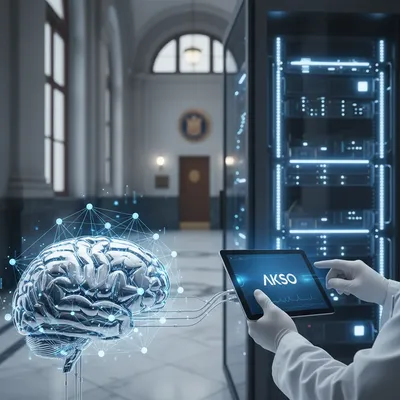
Washington’s competitive advantage stems largely from its position as home to the third-largest cluster of artificial intelligence specialists in the United States. This concentration of AI talent has created a unique ecosystem where biotechnology and artificial intelligence converge, accelerating innovation and attracting significant investment to the region.
The integration of AI technologies into life sciences research and development has enabled Washington-based companies to streamline drug discovery processes, enhance clinical trial efficiency, and develop more targeted therapeutic approaches. This technological synergy has positioned the state as a leader in next-generation biotechnology solutions.
IntelligenceRegulatory Impact
NMPA, PMDA, and TGA are the agencies to watch. Regulatory relevance reads medium for pharmaceutical intelligence. Teams should track submission types, designations, and guidance shifts that could move approval timelines.
Economic Impact and Market Implications
The sustained growth trajectory reflects broader trends in the life sciences industry, where states with strong technology infrastructure and skilled workforces are capturing disproportionate shares of sector expansion. Washington’s success demonstrates the importance of cross-sector collaboration between traditional biotechnology companies and technology firms.
The report’s findings suggest that Washington’s life sciences ecosystem has achieved critical mass, creating a self-reinforcing cycle of talent attraction, investment, and innovation. This momentum positions the state favorably for continued growth as the global life sciences market expands.
Industry analysts note that Washington’s performance indicates a shift toward technology-enabled biotechnology hubs, where traditional pharmaceutical research increasingly relies on advanced computational tools and artificial intelligence applications.
Frequently Asked Questions
What factors drive Washington’s life sciences growth?
Washington’s growth is driven by its large AI specialist cluster, strong biotech-AI integration, robust technology infrastructure, and skilled workforce that enables cross-sector collaboration.
How does Washington compare to other life sciences hubs?
Washington ranks as the third-largest AI specialist cluster in the US and has outpaced national life science job growth for five consecutive years, distinguishing it from traditional biotech centers.
What does this growth mean for the industry?
The sustained growth indicates a shift toward technology-enabled biotechnology hubs and demonstrates the increasing importance of AI integration in modern life sciences development.
Related coverage
Ask AI About This Topic
Grounded in NovaPharmaNews intelligence. Pick a prompt to start.
Stay Updated on Pharma News
Get the latest drug approvals, clinical trials, and regulatory updates delivered to your inbox.
- Evidence strength
- 71/100
- Last verified
- Jun 15, 2026
- AI-assisted review
- Yes
- Editorial review
- Dr. Sarah Chen
Moderate source quality · grounded in cited primary and secondary sources.
This article follows our editorial standards. Report a correction via editorial contact.