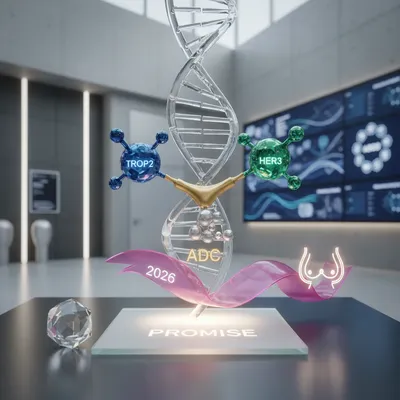
Antengene Presents Three Novel Cancer Programs at AACR 2026: Next-Generation ADC and TCE Therapies Show Promise
Antengene Corporation unveiled three innovative cancer treatment programs at AACR 2026, featuring next-generation ADC and TCE technologies for oncology patients.
Intelligence Snapshot
Executive Summary
Antengene presented three novel cancer treatment programs at the 2026 American Association for Cancer Research (AACR) annual meeting
Key Insights
-
The programs feature next-generation antibody-drug conjugates (ADCs) and T-cell engager…
The programs feature next-generation antibody-drug conjugates (ADCs) and T-cell engager (TCE) therapies targeting solid tumors and blood cancers
-
These early-stage developments could expand Antengene’s oncology pipeline and…
These early-stage developments could expand Antengene’s oncology pipeline and provide new treatment options for cancer patients
Market Impact
| Regulatory | medium |
|---|---|
| Commercial | medium |
| Competitive | low |
| Investment | low |
Executive Scorecard
Heuristic scores · directional, not investment adviceContents8 sections
Key Takeaways
- Antengene presented three novel cancer treatment programs at the 2026 American Association for Cancer Research (AACR) annual meeting
- The programs feature next-generation antibody-drug conjugates (ADCs) and T-cell engager (TCE) therapies targeting solid tumors and blood cancers
- These early-stage developments could expand Antengene’s oncology pipeline and provide new treatment options for cancer patients
Antengene Advances Cancer Pipeline with Novel ADC and TCE Programs
Antengene Corporation Limited (SEHK: 6996.HK) showcased three innovative cancer treatment programs at the 2026 American Association for Cancer Research (AACR) annual meeting on April 18, 2026. The Shanghai and Hong Kong-based biotech company presented poster data highlighting next-generation antibody-drug conjugates (ADCs) and T-cell engager (TCE) therapies.
IntelligenceRegulatory Impact
NMPA, PMDA, and TGA are the agencies to watch. Regulatory relevance reads medium for pharmaceutical intelligence. Teams should track submission types, designations, and guidance shifts that could move approval timelines.
Expanding Oncology Portfolio
As a commercial-stage global biotechnology company, Antengene focuses on discovering and developing first-in-class and best-in-class medicines for autoimmune diseases, solid tumors, and hematological malignancies. The AACR presentations demonstrate the company’s commitment to advancing innovative cancer treatments beyond its current pipeline.
IntelligenceCompetitive Intelligence
Competitive pressure is low. Watch which sponsors move first. Benchmark pipeline positioning, differentiation, and partnership scouting against the signals in this story.
Next-Generation Cancer Technologies
The three programs feature cutting-edge approaches to cancer therapy:
- Antibody-Drug Conjugates (ADCs): These targeted therapies deliver cytotoxic drugs directly to cancer cells while minimizing damage to healthy tissue
- T-Cell Engager (TCE) Therapies: These immunotherapies redirect the patient’s immune system to attack cancer cells more effectively
IntelligenceMarket Signals
Commercial pull is medium and investment relevance low. Expect implications for pharmaceutical intelligence pricing, access, and launch sequencing.
Market Implications
Antengene’s expansion into next-generation ADC and TCE technologies positions the company to compete in rapidly growing oncology markets. The global ADC market is projected to reach significant growth as more targeted cancer therapies gain regulatory approval.
IntelligenceStrategic Takeaways
Antengene presented three novel cancer treatment programs at the 2026 American Association for Cancer Research (AACR) annual meeting The programs feature next-generation antibody-drug conjugates (ADCs) and T-cell engager (TCE) therapies targeting solid tumors and blood cancers These early-stage developments could expand Antengene’s oncology pipeline and provide new treatment options for cancer patients
Clinical Development Timeline
While specific timelines were not disclosed in the initial announcement, these early-stage programs will likely require several years of clinical development before potential market availability. The AACR presentation represents an important milestone in advancing these novel therapeutic approaches from laboratory to clinical testing.
Frequently Asked Questions
What are ADC and TCE cancer therapies?
ADCs (antibody-drug conjugates) deliver chemotherapy directly to cancer cells, while TCEs (T-cell engagers) help the immune system recognize and attack tumors more effectively.
When will these Antengene treatments be available to patients?
These are early-stage programs that will require years of clinical trials and regulatory review before potential market availability. Specific timelines have not been announced.
How significant is this development for Antengene’s business?
This expands Antengene’s oncology pipeline with innovative technologies in growing market segments, potentially strengthening its competitive position in cancer treatment development.
Related coverage
Ask AI About This Topic
Grounded in NovaPharmaNews intelligence. Pick a prompt to start.
Stay Updated on Pharma News
Get the latest drug approvals, clinical trials, and regulatory updates delivered to your inbox.
- Evidence strength
- 71/100
- Last verified
- Jun 15, 2026
- AI-assisted review
- Yes
- Editorial review
- Dr. Sarah Chen
Moderate source quality · grounded in cited primary and secondary sources.
This article follows our editorial standards. Report a correction via editorial contact.