Pharma Supercomputer: Eli Lilly and NVIDIA’s AI-Powered Breakthrough
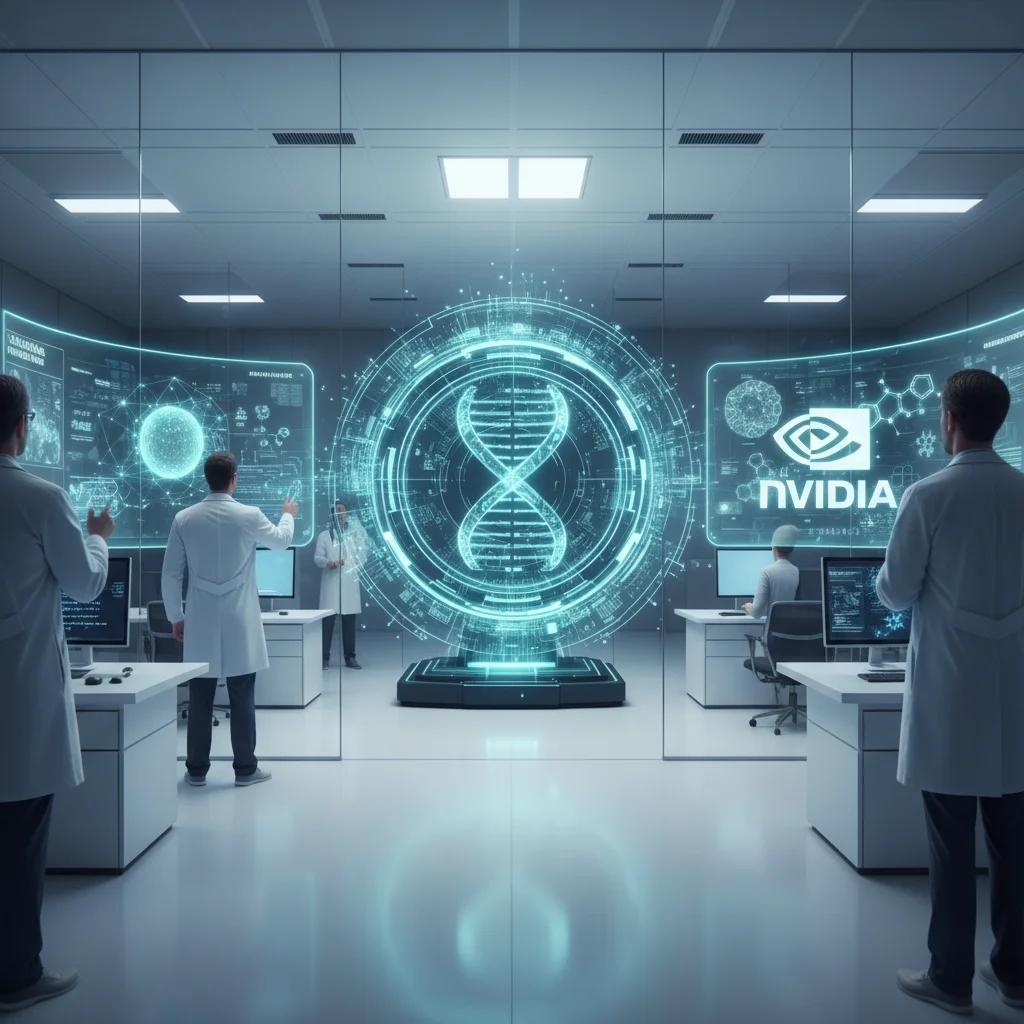
Eli Lilly and NVIDIA have partnered to build the pharmaceutical industry's most powerful supercomputer. This AI-driven innovation aims to accelerate drug discovery and development, enhancing computational research capabilities globally.
Intelligence Snapshot
Executive Summary
Eli Lilly and NVIDIA are joining forces to develop what is poised to become the pharmaceutical industry’s most powerful supercomputer.
Key Insights
-
This supercomputer will harness AI and machine learning to speed up the drug discovery…
This supercomputer will harness AI and machine learning to speed up the drug discovery process.
-
The project is set to advance pharmaceutical supercomputing capacity, with notable impact…
The project is set to advance pharmaceutical supercomputing capacity, with notable impact in the Asia-Pacific region.
-
The partnership merges Eli Lilly’s pharmaceutical know-how with NVIDIA’s dominance in AI…
The partnership merges Eli Lilly’s pharmaceutical know-how with NVIDIA’s dominance in AI hardware.
Market Impact
| Regulatory | medium |
|---|---|
| Commercial | medium |
| Competitive | low |
| Investment | low |
Eli Lilly and NVIDIA have unveiled a strategic partnership to build what they call the most powerful pharma supercomputer yet. Their goal: to accelerate drug discovery and development by weaving advanced artificial intelligence (AI) and machine learning into the fabric of pharmaceutical research. By combining Eli Lilly’s depth in drug development with NVIDIA’s expertise in AI hardware and software, the collaboration aims to set a new benchmark for computational capability in the industry—especially for research initiatives in the Asia-Pacific region.
Executive Scorecard
Heuristic scores · directional, not investment adviceContents6 sections
Key Takeaways
- Eli Lilly and NVIDIA are joining forces to develop what is poised to become the pharmaceutical industry’s most powerful supercomputer.
- This supercomputer will harness AI and machine learning to speed up the drug discovery process.
- The project is set to advance pharmaceutical supercomputing capacity, with notable impact in the Asia-Pacific region.
- The partnership merges Eli Lilly’s pharmaceutical know-how with NVIDIA’s dominance in AI hardware.
Introduction to the Pharma Supercomputer and the Eli Lilly NVIDIA Partnership
Eli Lilly brings decades of pharmaceutical innovation and a robust pipeline, while NVIDIA contributes extensive experience in high-performance computing and AI-driven solutions. This partnership is a clear example of a trend gaining momentum: using advanced digital infrastructure to meet the growing scientific and technical challenges of drug discovery.
IntelligenceRegulatory Impact
NMPA, PMDA, and TGA are the agencies to watch. Regulatory relevance reads medium for pharmaceutical intelligence. Teams should track submission types, designations, and guidance shifts that could move approval timelines.
What is a Pharma Supercomputer and Why It Matters
A pharma supercomputer is a high-powered computing system, engineered to handle the enormous data streams that pharmaceutical research generates. Such systems allow scientists to simulate molecular interactions, model biological pathways, and assess the effects of new compounds—at speeds and detail simply out of reach for conventional infrastructure. The intricacies of drug discovery, from pinpointing a biological target to optimizing a lead compound and forecasting toxicity, call for computational muscle that surpasses standard capabilities.
Why it matters: Robust supercomputing is vital for speeding up the search for new therapeutics, potentially lowering both the time and expense of bringing a drug to market.
The initiative from Eli Lilly and NVIDIA signals an ongoing shift: high-throughput computing and digital innovation are becoming central to pharmaceutical pipelines. The result? A stronger global research infrastructure, with the Asia-Pacific region rapidly establishing itself as a nexus of biopharmaceutical advancement.
IntelligenceCompetitive Intelligence
Competitive pressure is low. Watch which sponsors move first. Benchmark pipeline positioning, differentiation, and partnership scouting against the signals in this story.
How AI and Machine Learning Enhance Drug Discovery
AI is reshaping drug discovery. With machine learning, researchers can sift through complex, multi-dimensional data sets, spot patterns, and predict how new compounds will behave. These tools are already helping with target identification, automating chemical library screenings, and sharpening molecular design.
Merging AI with high-performance supercomputing pushes the boundaries: larger datasets, more nuanced models, deeper biological insight. When powered by modern hardware, machine learning algorithms can simulate protein folding, explore drug-target interactions, and forecast adverse effects with heightened precision. The outcome? More effective hypothesis generation, sharper prioritization, and a streamlined path from discovery to development.
Compared with conventional computational approaches, AI-driven techniques can compress timelines across the drug discovery pipeline and boost the odds of finding promising new treatments.
IntelligenceMarket Signals
Commercial pull is medium and investment relevance low. Expect implications for pharmaceutical intelligence pricing, access, and launch sequencing.
Technical Advantages of the Eli Lilly and NVIDIA Supercomputer
Through its work with NVIDIA, Eli Lilly will tap into advanced AI hardware and software platforms. NVIDIA’s GPU-accelerated computing is purpose-built for massive deep learning and simulation workloads—the very backbone of contemporary pharmaceutical research. This supercomputer is anticipated to raise the bar for computational throughput, memory bandwidth, and parallel processing.
These technical enhancements will allow re
Related coverage
Ask AI About This Topic
Grounded in NovaPharmaNews intelligence. Pick a prompt to start.
Stay Updated on Pharma News
Get the latest drug approvals, clinical trials, and regulatory updates delivered to your inbox.
- Evidence strength
- 71/100
- Last verified
- Jun 15, 2026
- AI-assisted review
- Yes
- Editorial review
- Dr. Sarah Chen
Moderate source quality · grounded in cited primary and secondary sources.
This article follows our editorial standards. Report a correction via editorial contact.