SAKIGAKE Designation Impact: Accelerating Rare Disease Drug Approvals in Japan
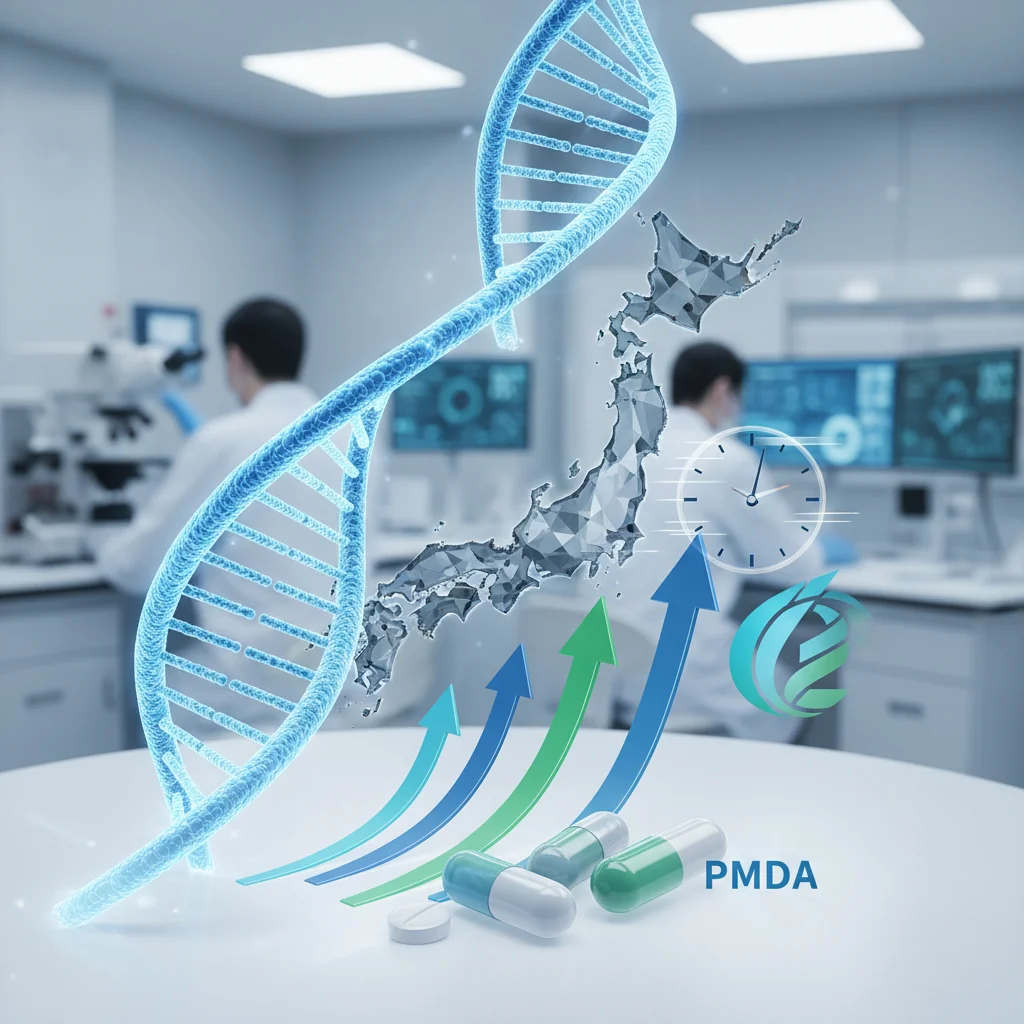
The SAKIGAKE Designation significantly speeds up the approval process for rare disease drugs in Japan, enhancing access to treatments like XYZ for patients with ABC condition.

Medically Reviewed
by Dr. James Morrison, Chief Medical Officer (MD, FACP, FACC)
Reviewed on: April 27, 2026
Key Takeaways
- Regulatory acceleration: The PMDA's SAKIGAKE Designation, launched in 2015, provides a 6-month priority review period and dedicated regulatory support for innovative therapies first developed in Japan, targeting rare and serious diseases.
- Financial and market incentives: SAKIGAKE-designated drugs benefit from reduced application fees, premium pricing mechanisms, and up to a 10-year reexamination period, enhancing commercial viability and patient access.
- Market implications: The designation has transformed Japan's rare disease drug approval landscape, incentivizing pharmaceutical investment in underserved patient populations and positioning Japan as a hub for innovative rare disease therapies.
- Strategic opportunity: Companies developing innovative therapies for serious or life-threatening conditions in Japan can leverage SAKIGAKE benefits to accelerate market entry compared to standard regulatory pathways.
The Pharmaceutical and Medical Devices Agency (PMDA) SAKIGAKE Designation has fundamentally reshaped Japan's approach to rare disease drug approvals since its establishment in 2015. By offering expedited review timelines, regulatory support, and financial incentives, SAKIGAKE has created a favorable environment for innovative therapies targeting serious or life-threatening conditions, particularly those developed first in Japan. Why it matters: This regulatory framework accelerates patient access to novel treatments for underserved populations while strengthening Japan's position in global rare disease drug development.
SAKIGAKE Designation: Strategic Overview and Regulatory Framework
The SAKIGAKE Designation represents Japan's commitment to expedited drug approval for innovative therapies addressing unmet medical needs in serious or life-threatening conditions. Launched by the PMDA in 2015, SAKIGAKE—which translates to "pioneer" in Japanese—establishes a dedicated regulatory pathway for drugs developed first in Japan that target rare diseases and other serious conditions.
The designation operates within Japan's broader pharmaceutical regulatory framework, complementing standard approval processes by providing accelerated timelines and enhanced regulatory engagement. Unlike standard new drug applications, SAKIGAKE-designated drugs receive priority consideration from the PMDA, reflecting the agency's recognition of therapeutic innovation and unmet medical need. This pathway aligns with global trends toward expedited approvals seen in other regulatory markets, including the U.S. Food and Drug Administration (FDA) Breakthrough Therapy Designation and the European Medicines Agency (EMA) PRIME scheme, though SAKIGAKE maintains distinct eligibility criteria and incentive structures tailored to Japan's pharmaceutical development ecosystem.
Key Features and Regulatory Advantages of SAKIGAKE
The SAKIGAKE Designation provides multiple regulatory and financial benefits designed to accelerate drug development and approval:
- Priority review period: SAKIGAKE-designated drugs receive a 6-month priority review timeline, compared with standard review periods. This accelerated schedule enables faster regulatory decision-making and reduces time-to-market for innovative therapies.
- Dedicated PMDA support: Applicants benefit from a dedicated regulatory support team within the PMDA, facilitating pre-submission meetings, scientific advice, and ongoing regulatory interactions throughout the development and review process. This enhanced engagement helps optimize study design and regulatory strategy.
- Reduced application fees: SAKIGAKE-designated drugs are subject to reduced application and review fees, lowering the financial burden on developers and incentivizing investment in rare disease research.
- Premium pricing mechanisms: The designation enables premium pricing strategies in Japan, recognizing the therapeutic value and innovation of designated drugs. This financial incentive supports return on investment for companies developing treatments for small patient populations.
- Extended reexamination period: SAKIGAKE-designated drugs can receive up to a 10-year reexamination period, extending market exclusivity and providing longer protection against generic competition. This extended period supports post-approval surveillance and allows for label expansions based on emerging clinical data.
Eligibility for SAKIGAKE designation requires that the drug represent an innovative therapeutic approach for a serious or life-threatening condition and that development be initiated in Japan. The PMDA evaluates applications based on unmet medical need, therapeutic potential, and innovation relative to existing treatments. This framework ensures that SAKIGAKE resources are directed toward therapies with the greatest potential to benefit patients with limited treatment options.
Impact on Rare Disease Drug Approvals and Patient Access
Since its launch in 2015, the SAKIGAKE Designation has significantly transformed Japan's rare disease drug approval landscape. The pathway has accelerated the development and approval of innovative therapies targeting conditions affecting small patient populations, historically underserved by pharmaceutical R&D due to limited market size and commercial viability concerns.
The designation has catalyzed increased pharmaceutical investment in rare disease research and development in Japan. Companies, both domestic and international, recognize SAKIGAKE as a strategic opportunity to bring innovative therapies to market more rapidly while benefiting from financial incentives and regulatory support. This shift has expanded the portfolio of rare disease treatments available to Japanese patients, improving access to novel therapies that might otherwise face longer approval timelines under standard regulatory pathways.
Compared with standard approval processes, SAKIGAKE-designated drugs experience reduced approval timelines and enhanced regulatory engagement, creating a competitive advantage for developers. The 6-month priority review period versus standard timelines represents a substantial acceleration, particularly important for serious conditions where delays in patient access carry clinical significance. Extended reexamination periods provide long-term market protection, enabling companies to recoup development investments and fund additional research in rare disease areas.
The designation has also influenced pharmaceutical companies' strategic R&D planning in Japan. Organizations are increasingly identifying rare disease opportunities suitable for SAKIGAKE designation early in development, aligning clinical programs with PMDA priorities and regulatory expectations. This strategic alignment enhances approval likelihood and reduces development risk, making rare disease drug development more economically viable in the Japanese market.
Regulatory Context and Comparison with Global Expedited Pathways
The PMDA's SAKIGAKE Designation operates as Japan's primary expedited approval pathway for innovative therapies, distinct from standard regulatory review but complementary to other PMDA review categories. The designation provides a structured framework for accelerated development and approval, with clear eligibility criteria and defined regulatory benefits.
SAKIGAKE differs from other global expedited pathways in several key respects. Whereas the FDA's Breakthrough Therapy Designation and the EMA's PRIME scheme focus on therapeutic potential and unmet need without geographic restriction, SAKIGAKE requires that development be initiated first in Japan, reflecting Japan's policy to incentivize domestic pharmaceutical innovation. The 6-month priority review timeline aligns with FDA and EMA expedited pathways, though specific regulatory timelines vary across jurisdictions based on submission type and complexity.
The extended reexamination period of up to 10 years represents a distinctive feature of SAKIGAKE, providing longer market exclusivity than standard approval periods in many jurisdictions. This extended protection reflects Japan's commitment to supporting rare disease drug development by ensuring sustained commercial viability and encouraging post-approval research and surveillance.
What to watch next: The PMDA may expand SAKIGAKE eligibility criteria or introduce complementary expedited pathways to address emerging therapeutic areas, particularly in advanced therapies such as gene therapies and cell therapies targeting serious conditions.
Market Impact and Competitive Positioning
The SAKIGAKE Designation has created a distinct competitive advantage for designated drugs within Japan's pharmaceutical market. By accelerating approval timelines and providing financial incentives, SAKIGAKE-designated therapies can establish market presence and clinical adoption more rapidly than non-designated drugs, translating to increased market share in rare disease segments.
The designation influences pricing strategy and reimbursement negotiations in Japan. Premium pricing mechanisms associated with SAKIGAKE recognition enable companies to capture higher value for innovative rare disease therapies, reflecting therapeutic innovation and unmet medical need. This pricing advantage supports development investment recovery and funds continued research in rare disease areas, creating a virtuous cycle of innovation and market access.
For investors and pharmaceutical companies, SAKIGAKE designation signals regulatory confidence in a therapy's therapeutic potential and development strategy. This regulatory recognition can enhance investor confidence, support financing rounds, and facilitate partnerships or licensing arrangements. The designation thus carries strategic value beyond regulatory timelines, influencing capital allocation and business development decisions.
The SAKIGAKE framework also attracts foreign pharmaceutical companies to conduct development in Japan, recognizing the regulatory advantages and market opportunities. This influx of international R&D investment strengthens Japan's pharmaceutical innovation ecosystem and expands the diversity of rare disease therapies available to Japanese patients.
Challenges and Limitations in the SAKIGAKE Framework
Despite its benefits, the SAKIGAKE Designation framework faces several challenges that affect stakeholders including developers, regulators, and patients.
Stringent eligibility criteria: The requirement that development be initiated first in Japan limits eligibility for companies with global development programs. This geographic restriction may exclude some innovative therapies from SAKIGAKE benefits, potentially slowing approval for drugs developed internationally.
Market access and reimbursement hurdles: Although SAKIGAKE provides regulatory acceleration and premium pricing mechanisms, market access and reimbursement negotiations remain complex. Japanese healthcare payers may resist premium pricing for rare disease drugs, limiting the financial benefits anticipated from SAKIGAKE designation despite regulatory advantages.
Limited market data transparency: Comprehensive data on SAKIGAKE-designated drugs, approval timelines, and patient population estimates remain limited in publicly available sources. This data gap complicates market analysis and competitive positioning for industry stakeholders and investors.
Post-approval monitoring challenges: The extended reexamination period of up to 10 years requires sustained post-approval surveillance and data collection. Balancing regulatory requirements with commercial operations presents logistical and financial challenges for companies, particularly those developing therapies for very small patient populations.
Balancing expedited review with safety: Accelerated review timelines must not compromise thorough safety evaluation. The PMDA must maintain rigorous safety standards while meeting priority review schedules, requiring efficient but comprehensive regulatory assessment.
Future Outlook: Strategic Trends and Policy Evolution
The SAKIGAKE Designation is expected to evolve in response to emerging therapeutic areas and changing regulatory priorities. Several trends are likely to shape the pathway's future development:
Expansion to advanced therapies: As gene therapies, cell therapies, and other advanced modalities mature, SAKIGAKE may expand to accommodate these novel therapeutic approaches targeting serious rare conditions. The framework's flexibility may be enhanced to address unique regulatory challenges posed by cutting-edge therapeutics.
Increased international collaboration: The PMDA may consider modifications to geographic eligibility criteria, potentially allowing international development programs to qualify for SAKIGAKE benefits under specific conditions. This evolution would expand the pathway's reach while maintaining Japan's incentive to support domestic innovation.
Enhanced data transparency: Future regulatory reforms may include improved public reporting of SAKIGAKE designations, approval timelines, and designated drug performance. Enhanced transparency would support market analysis, competitive planning, and policy evaluation.
Integration with other regulatory pathways: SAKIGAKE may be integrated with other PMDA expedited pathways or aligned with international expedited approval schemes to facilitate global development strategies while maintaining Japan's regulatory independence.
Investment implications: The continued evolution of SAKIGAKE is likely to attract sustained pharmaceutical investment in rare disease research in Japan. Companies recognizing SAKIGAKE as a strategic opportunity will increasingly prioritize Japanese development initiation for rare disease programs, strengthening Japan's position as a hub for innovative rare disease therapies and supporting economic growth in the pharmaceutical sector.
Frequently Asked Questions
What is the PMDA SAKIGAKE Designation and when was it established?
The SAKIGAKE Designation is an expedited regulatory pathway established by the PMDA in 2015 to accelerate the approval of innovative therapies first developed in Japan, particularly targeting rare and serious diseases. The designation provides regulatory, financial, and market-based incentives to facilitate faster drug development and patient access to novel treatments.
What are the key benefits of SAKIGAKE designation for pharmaceutical developers?
SAKIGAKE-designated drugs receive multiple benefits including a 6-month priority review period, dedicated PMDA regulatory support, reduced application fees, premium pricing mechanisms, and up to a 10-year reexamination period. These incentives collectively accelerate approval timelines, reduce development costs, and extend market exclusivity, enhancing commercial viability for rare disease therapies.
How does the SAKIGAKE Designation compare to other global expedited approval pathways?
SAKIGAKE is similar to the FDA's Breakthrough Therapy Designation and the EMA's PRIME scheme in providing expedited review and regulatory support for innovative therapies addressing unmet medical needs. However, SAKIGAKE uniquely requires that development be initiated first in Japan, and it offers an extended reexamination period of up to 10 years, providing longer market exclusivity than many comparable global pathways.
What types of drugs are eligible for SAKIGAKE designation?
SAKIGAKE designation is available for innovative therapies targeting serious or life-threatening conditions, with particular emphasis on rare diseases. Eligibility requires that development be initiated in Japan and that the drug represent a therapeutic innovation relative to existing treatments. The PMDA evaluates applications based on unmet medical need, therapeutic potential, and innovation.
How has SAKIGAKE impacted rare disease drug approvals in Japan since 2015?
Since its launch, SAKIGAKE has significantly accelerated the approval of rare disease therapies in Japan, expanding patient access to novel treatments and incentivizing pharmaceutical investment in underserved rare disease areas. The designation has transformed Japan's regulatory landscape for rare diseases, attracting both domestic and international pharmaceutical companies to develop therapies in Japan and strengthening the country's position in global rare disease drug development.
References
- Pharmaceutical and Medical Devices Agency (PMDA). SAKIGAKE Designation Program Overview and Regulatory Framework (2015–present). Japanese regulatory documentation on expedited approval pathways for innovative therapies targeting rare and serious diseases in Japan.

Asia-Pacific Editor
Dr. Yuki Tanaka is an oncologist specializing in Asian pharmaceutical markets and regulatory harmonization. Former PMDA reviewer with expertise in bridging studies and ethnic factors....
About the Author
Related Articles

PMDA SAKIGAKE Designation: Review of Approved Drugs & Impact in Japan

PMDA SAKIGAKE Designation: Expediting Innovative Drug Approvals in Japan

Arrowhead Pharmaceuticals Receives TGA Approval for REDEMPLO (Plozasiran) in Australia for Rare Metabolic Disorder