Pharmaceutical Isolators Market Reaches $7.82 Billion as EU GMP Annex 1 Drives Manufacturing Safety Requirements
The global pharmaceutical isolators market hits $7.82 billion, driven by EU GMP Annex 1 regulations and rising HPAPI production demands through 2031.

Key Takeaways
- Global pharmaceutical isolators market valued at $7.82 billion with strong growth projected through 2031
- EU GMP Annex 1 regulatory requirements driving mandatory adoption of containment systems in aseptic manufacturing
- Increasing High Potency Active Pharmaceutical Ingredients (HPAPIs) production creating new safety containment demands
The global pharmaceutical isolators market has reached $7.82 billion, positioning these critical containment systems as essential infrastructure for modern drug manufacturing operations through 2031.
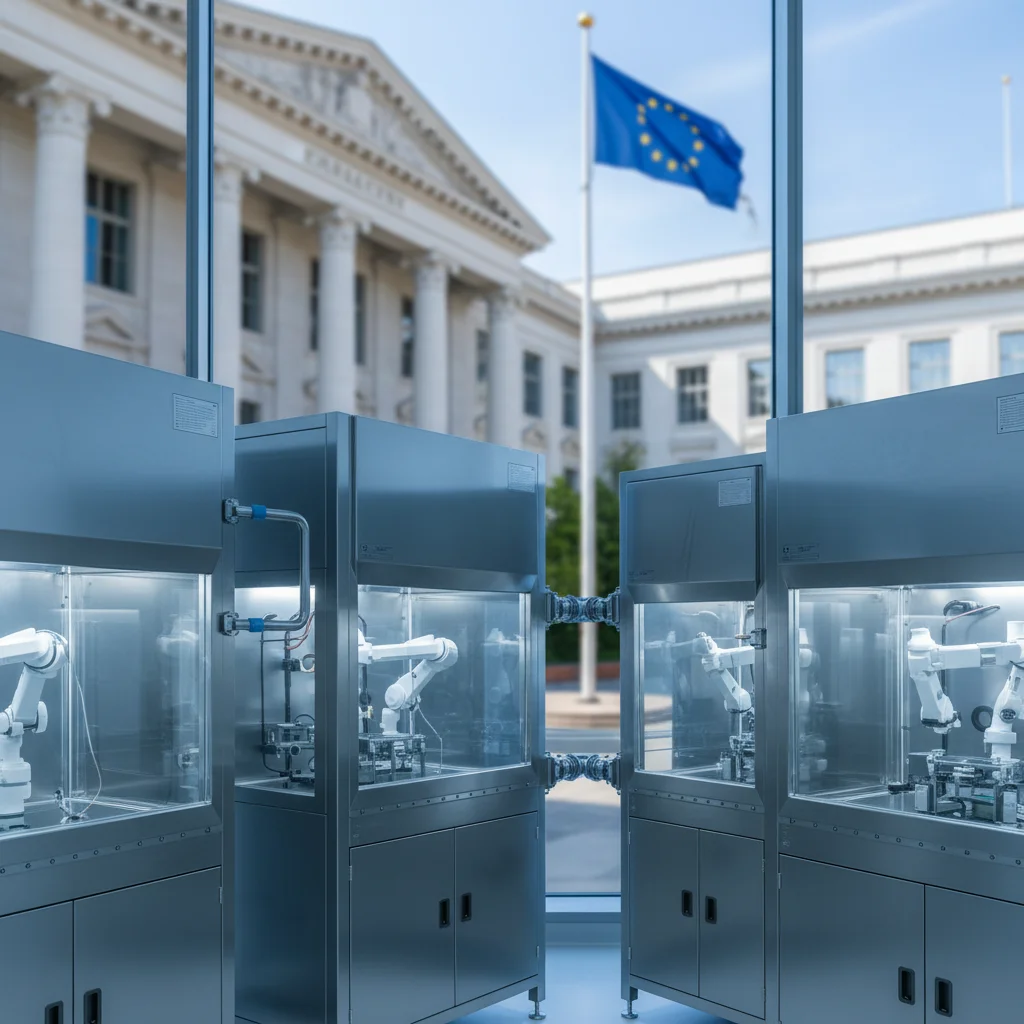
Pharmaceutical isolators function as sealed containment devices that create physical barriers between manufacturing processes and operators, ensuring sterility while preventing dangerous cross-contamination during drug production. These systems have become increasingly vital as pharmaceutical companies face stricter regulatory oversight and handle more potent compounds.
Regulatory Framework Drives Market Expansion
The market’s robust growth stems primarily from stringent regulatory frameworks, particularly the European Union’s Good Manufacturing Practice (GMP) Annex 1 guidelines. These regulations mandate the separation of personnel from critical aseptic operations, significantly reducing contamination risks during sterile drug manufacturing processes.
EU GMP Annex 1 requirements have created a compliance-driven market where pharmaceutical manufacturers must invest in advanced containment technologies to maintain regulatory approval and market access across European territories.
HPAPI Production Fuels Demand
The increasing production of High Potency Active Pharmaceutical Ingredients (HPAPIs) represents another major growth driver for the isolators market. HPAPIs, which include oncology drugs and targeted therapies, require rigorous containment measures to protect manufacturing personnel from exposure to highly toxic compounds.
As pharmaceutical companies expand their oncology and specialty drug portfolios, the demand for sophisticated containment systems continues to accelerate. These isolators enable manufacturers to safely handle potent compounds while maintaining product quality and worker safety standards.
Market Implications Through 2031
The pharmaceutical isolators market’s growth trajectory reflects broader industry trends toward personalized medicine and specialty pharmaceuticals. As drug potency increases and regulatory requirements become more stringent, isolator technology will likely become standard equipment rather than specialized solutions.
Manufacturers investing in isolator technology today position themselves advantageously for future regulatory compliance and expanded production capabilities in high-value therapeutic areas.
Frequently Asked Questions
What are pharmaceutical isolators and why are they important?
Pharmaceutical isolators are sealed containment devices that create physical barriers between drug manufacturing processes and operators, ensuring sterility and preventing cross-contamination during production of sterile medications.
How do EU GMP Annex 1 regulations impact pharmaceutical manufacturing?
EU GMP Annex 1 requires separation of personnel from critical aseptic operations, mandating pharmaceutical companies to use containment systems like isolators to reduce contamination risks and maintain regulatory compliance.
Why is HPAPI production driving isolator demand?
High Potency Active Pharmaceutical Ingredients require rigorous containment measures to protect workers from exposure to highly toxic compounds, making isolators essential safety equipment for oncology and specialty drug manufacturing.
About the Author
Related Articles

Mabwell Achieves First PIC/S GMP Compliance Certification from Jordan FDA for Biopharmaceutical Manufacturing
Novelty Nobility Expands AGC Biologics Partnership for Bispecific Antibody Manufacturing

Pharmaceutical Manufacturing Software Market to Reach $7.87 Billion by 2030, Driven by 15.8% CAGR Growth