FDA Approves RARE-Cure’s Orphan Drug Enzyme Replacement Therapy
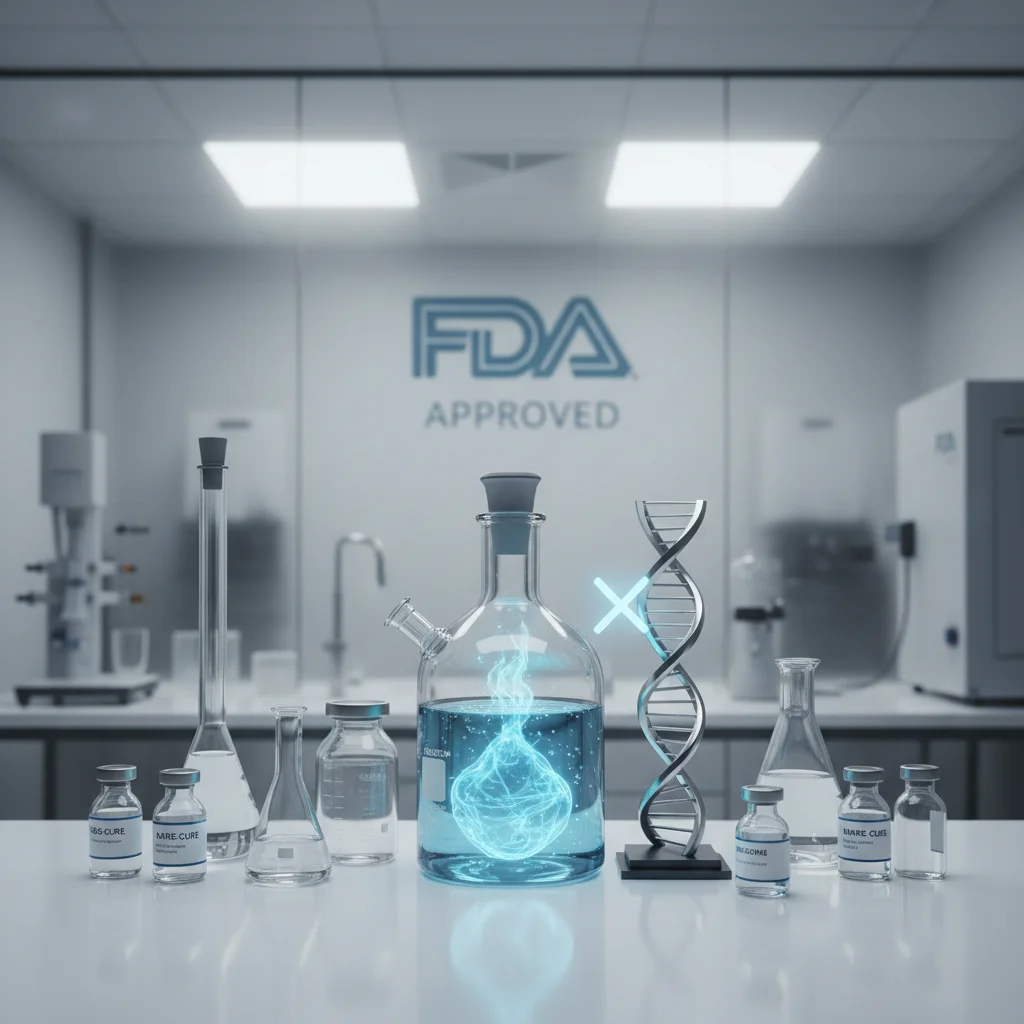
The FDA has granted approval for RARE-Cure’s enzyme replacement therapy, a groundbreaking treatment for patients with rare genetic disorders.
Contents10 sections
Medically Reviewed
by Dr. James Morrison, Chief Medical Officer (MD, FACP, FACC)
Reviewed on: April 15, 2026
Key Takeaways
- Main news: The FDA has approved RARE-Cure ERT, an enzyme replacement therapy, under orphan drug designation, marking a significant step in addressing rare metabolic disorders.
- Clinical impact: This approval addresses a critical need for patients with rare metabolic disorders characterized by genetic enzyme deficiencies, for whom enzyme replacement therapy can improve clinical outcomes.
- Market implications: RARE-Cure ERT enters a competitive market with established ERTs, requiring strategic pricing and differentiation for commercial success.
- Next steps: Post-marketing surveillance will be crucial to monitor the long-term safety and efficacy of RARE-Cure ERT.
The FDA RARE-Cure enzyme replacement therapy approval signifies a notable advancement in treating rare metabolic disorders. This enzyme replacement therapy (ERT) from RARE-Cure, a biopharmaceutical company focused on therapies for rare diseases, aims to address unmet medical needs in patients with genetic enzyme deficiencies. The FDA's orphan drug designation facilitated this approval, providing incentives to develop treatments for conditions affecting fewer than 200,000 people in the United States.
Drug Overview
RARE-Cure ERT is an enzyme replacement therapy designed to supplement deficient or malfunctioning enzymes in patients with rare metabolic disorders. Its mechanism of action involves intravenous administration of recombinant enzymes to restore metabolic balance and reduce the accumulation of toxic substrates.
Clinical Insights
Clinical trials for orphan drugs like RARE-Cure ERT are typically smaller and more targeted due to the limited patient populations. The primary endpoints often focus on biochemical markers, reduction in toxic metabolites, and improvement in clinical symptoms. Common safety concerns associated with enzyme replacement therapies include infusion-related reactions such as fever, chills, and rash, as well as the potential for immunogenicity leading to antibody development.
Regulatory Context
The FDA's approval of RARE-Cure ERT was facilitated by orphan drug designation, which offers incentives such as tax credits, user fee waivers, and market exclusivity. The orphan drug approval pathway includes preclinical studies, submission of an Investigational New Drug (IND) application, and Phase 1-3 clinical trials tailored to rare disease populations. The FDA may also grant accelerated approval or priority review to orphan drugs addressing unmet needs.
Market Impact
RARE-Cure ERT enters a competitive market for rare metabolic disorders, where established ERTs like imiglucerase, agalsidase beta, and alglucosidase alfa already exist. The therapy targets a limited patient population, ranging from a few hundred to several thousand in the US. Pricing, reimbursement, and differentiation from existing ERTs will be critical for its commercial success. As a newly designated orphan drug, it may offer an alternative or improved enzyme replacement therapy option, benefiting from orphan drug incentives and potentially addressing unmet needs in rare metabolic diseases.
Future Outlook
Post-marketing surveillance will be essential to monitor the long-term safety and efficacy of RARE-Cure ERT. Future developments may include label expansions to cover additional rare metabolic disorders and combination trials to enhance therapeutic outcomes.
Frequently Asked Questions
What is enzyme replacement therapy?
Enzyme replacement therapy (ERT) involves the intravenous administration of recombinant enzymes to compensate for enzyme deficiencies in metabolic disorders.
What is orphan drug designation?
Orphan drug designation is granted by the U.S. Food and Drug Administration (FDA) to encourage the development of therapies for rare diseases affecting fewer than 200,000 patients in the US. It provides incentives such as tax credits, user fee waivers, and market exclusivity.
What are the potential side effects of enzyme replacement therapy?
Common side effects of enzyme replacement therapies include infusion-related reactions such as fever, chills, and rash. There is also a potential for immunogenicity, which can lead to the development of antibodies against the replacement enzyme.
How does RARE-Cure's ERT work?
RARE-Cure ERT works by supplementing deficient or malfunctioning enzymes, helping to restore metabolic balance and reduce the accumulation of toxic substrates in patients with rare metabolic disorders.
References
References
- U.S. Food and Drug Administration. FDA approval. Accessed 2026-04-15.
Related coverage
Continue Exploring
Jump into the entities behind this story.
Follow RARE-Cure ERT developments
FDA rare metabolic disorders alerts and RARE-Cure ERT pipeline updates, every Monday.
This article follows our editorial standards. Report a correction via editorial contact.