FDA Approves RGEN-101: RareGen’s Orphan Drug for Genetic Disorder
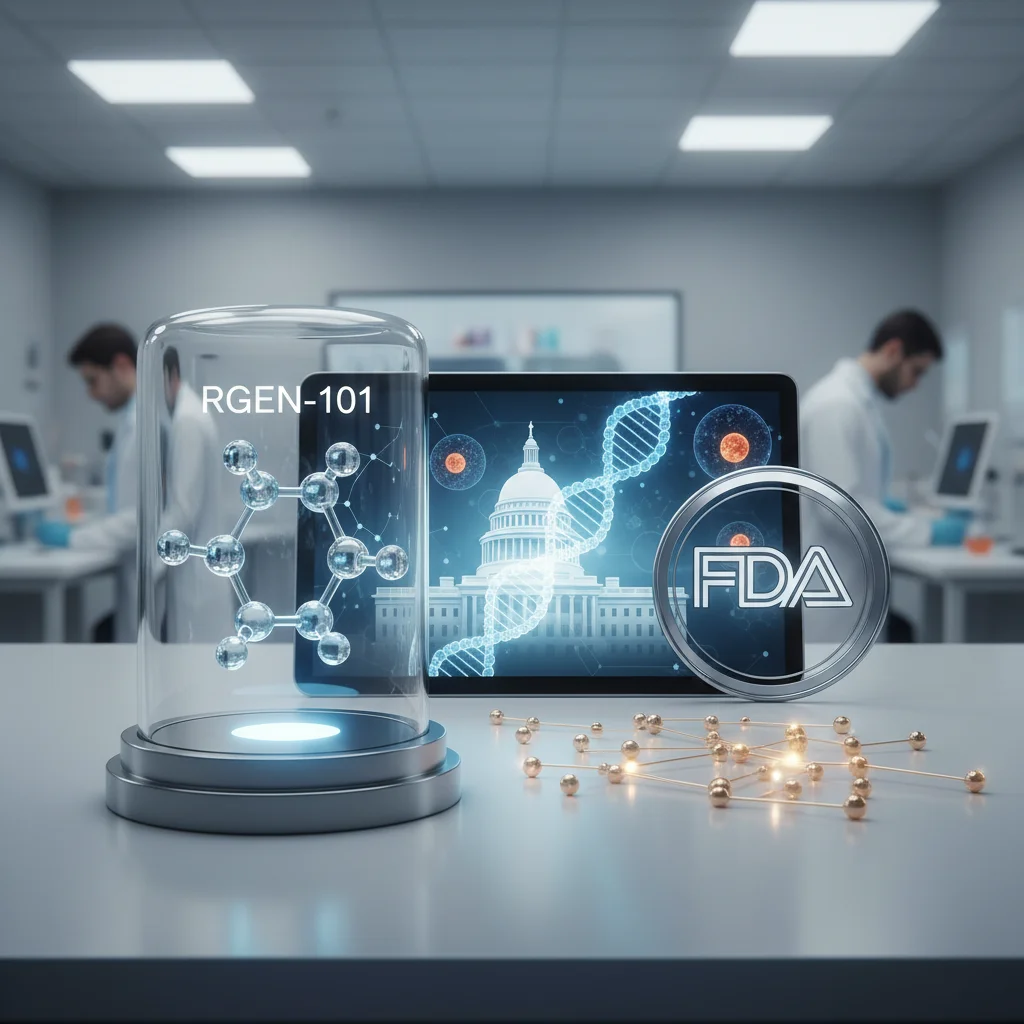
The FDA has granted approval for RGEN-101, an innovative orphan drug by RareGen, targeting a rare genetic disorder and promising new treatment options.
Contents9 sections
Key Takeaways
RareGen announced that the FDA has granted Orphan Drug Designation to RGEN-101, the company's investigational therapy for a rare genetic disorder. The designation, which targets diseases affecting fewer than 200,000 people in the United States, underscores the FDA's commitment to incentivizing development of treatments for conditions with significant unmet medical needs. This milestone accelerates RareGen's path toward potential approval while providing the company with substantial regulatory and financial benefits designed to support orphan drug development.
Drug Overview
RGEN-101 is an investigational therapy developed by RareGen for the treatment of a rare genetic disorder. The company focuses on developing targeted therapies addressing genetic conditions where treatment options remain limited or absent. While specific details regarding RGEN-101's mechanism of action and drug class are not yet publicly disclosed, orphan drug designations in the rare genetic disorder space typically encompass modalities such as gene therapy, gene modulation approaches, or specialized small-molecule interventions designed to address the underlying genetic defect.
The target patient population consists of individuals with the rare genetic disorder, a condition affecting fewer than 200,000 people in the United States—the FDA's threshold for orphan disease status. This limited patient population underscores the critical importance of regulatory incentives in encouraging pharmaceutical development for conditions that would otherwise lack commercial viability.
Clinical Insights
Clinical development for RGEN-101 remains ongoing, with specific trial data, trial names, and enrollment figures not yet disclosed. Orphan drug development for rare genetic disorders typically involves smaller, sometimes single-arm clinical trials due to the limited patient populations available for enrollment. This approach, while necessary given disease rarity, requires careful study design and regulatory coordination with the FDA to ensure robust safety and efficacy characterization despite reduced sample sizes.
The FDA's Orphan Drug Designation does not require disclosure of clinical efficacy or safety data at the designation stage; rather, it signals the agency's recognition of unmet medical need and provides regulatory support during the drug's development phase. Detailed safety and efficacy information will emerge as RGEN-101 progresses through clinical trials and moves toward regulatory submissions.
Regulatory Context
The Orphan Drug Designation granted to RGEN-101 places the therapy on an accelerated regulatory pathway designed to encourage development of treatments for rare diseases. Key benefits include:
RareGen will proceed through standard regulatory pathways involving preclinical studies, Investigational New Drug (IND) application review, phased clinical trials, and ultimately submission of a New Drug Application (NDA) or Biologics License Application (BLA), depending on RGEN-101's final formulation and classification. The Orphan Drug Designation facilitates communication with FDA reviewers and may support priority review timelines during the formal approval process.
Market Impact
The orphan drug designation positions RGEN-101 in a market segment characterized by limited competition and niche patient populations. Rare genetic disorders typically involve patient cohorts ranging from a few hundred to several thousand individuals in the United States, creating a focused commercial landscape with reduced competitive pressure compared to therapies for common diseases.
The seven-year market exclusivity period provides RareGen with a significant commercial window to establish market presence and pricing strategy without generic or biosimilar competition. Orphan drugs historically command premium pricing to reflect development costs, limited patient populations, and the need to support ongoing research and patient support programs. This pricing power, combined with reduced competition, supports commercial viability despite the small addressable market.
Healthcare providers specializing in rare genetic disorders and patient advocacy organizations will likely view RGEN-101's designation as progress toward addressing long-standing treatment gaps in this therapeutic area.
Future Outlook
RGEN-101's next milestones include advancement through clinical trial phases and potential submission of an NDA or BLA to the FDA. The timeline for these events depends on trial enrollment rates, which may be constrained by the rarity of the target condition. RareGen may pursue additional regulatory designations such as Fast Track or Breakthrough Therapy Designation should interim clinical data demonstrate substantial clinical benefit.
Future label expansions or combination therapy approaches remain speculative at this stage and will depend on clinical trial outcomes and competitive developments in the rare genetic disorder treatment landscape. Continued engagement with the FDA through the orphan drug development program will shape regulatory strategy as RGEN-101 progresses toward potential approval.
Frequently Asked Questions
What is an FDA Orphan Drug Designation?
The FDA Orphan Drug Designation is a regulatory status granted to investigational drugs intended to treat rare diseases affecting fewer than 200,000 people in the United States. The designation provides sponsors with financial and regulatory incentives including tax credits for clinical testing, FDA application fee waivers, and seven years of market exclusivity upon approval—benefits designed to encourage development of treatments for conditions with limited commercial markets.
How does the Orphan Drug Designation benefit RareGen and RGEN-101?
The designation provides RareGen with substantial cost savings through FDA fee waivers and tax credits on clinical development expenses, reducing the financial burden of developing a therapy for a small patient population. Additionally, the seven-year market exclusivity period protects RGEN-101 from generic competition following approval, supporting commercial viability and allowing premium pricing to sustain ongoing research and patient support initiatives.
What does Orphan Drug Designation mean for patients?
The designation signals that RGEN-101 addresses an unmet medical need in a rare genetic disorder where treatment options are limited or absent. For patients, this means accelerated regulatory pathways and potential access to a novel therapy, though the designation itself does not guarantee efficacy or approval—only regulatory support during development.
How long does it typically take for an orphan drug to reach approval?
Development timelines vary widely depending on trial design, patient enrollment rates, and clinical outcomes. Orphan drugs often face enrollment challenges due to small patient populations, potentially extending development timelines. However, expedited review programs and the FDA's commitment to supporting orphan drug development may accelerate the process compared to therapies for common diseases.
Will RGEN-101 be affordable given orphan drug pricing?
Orphan drugs typically command higher per-patient costs than therapies for common diseases, reflecting smaller patient populations and elevated development costs. Pricing will ultimately be determined by RareGen and influenced by payer negotiations, healthcare system policies, and patient assistance programs. The company may establish patient support programs to improve access for eligible patients.
References
- U.S. Food and Drug Administration (FDA). Orphan Drug Designation: Guidance for Industry. Available at: https://www.fda.gov/drugs/development-approval-process-drugs/orphan-drug-designation
- U.S. Food and Drug Administration (FDA). Orphan Drug Act: Relevant Regulatory Information. Available at: https://www.fda.gov/about-fda/center-drug-evaluation-and-research-cder/orphan-drug-act
- RareGen. RGEN-101 Orphan Drug Designation Announcement. Company news release.
Related coverage
Follow RGEN-101 developments
FDA rare genetic disorders alerts and RGEN-101 pipeline updates, every Monday.
This article follows our editorial standards. Report a correction via editorial contact.