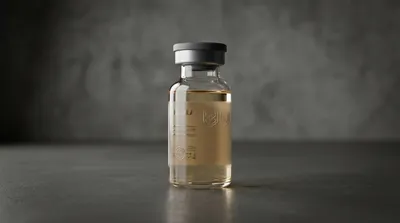
FDA Approves RapidClot: Tranexamic Acid for Trauma Bleeding
The FDA has approved RapidClot, a tranexamic acid formulation, to effectively manage trauma bleeding, providing critical support in emergency medical care.
The U.S. Food and Drug Administration (FDA) approved BioSolve's RapidClot (tranexamic acid) on April 6, 2026, for treating trauma-induced bleeding in adult and pediatric patients. This FDA approval expands emergency hemorrhage management options with a rapid-acting formulation designed for critical care settings.
Contents10 sections
Key Takeaways
- Emergency Approval: FDA approved RapidClot on April 6, 2026, for trauma-induced bleeding in both adults and pediatric patients.
- Clinical Evidence: The CRASH-2 trial demonstrated 32% mortality reduction when administered within 3 hours of injury.
- Mechanism of Action: Tranexamic acid is a synthetic lysine analog that inhibits plasminogen activation, stabilizing blood clots.
- Pediatric Population: First antifibrinolytic therapy with explicit FDA approval for pediatric trauma indication.
- Timing is Critical: Best outcomes occur when administered within 1 hour of injury; benefit diminishes after 3 hours.
What Is RapidClot and How Does It Work?
RapidClot is an intravenous tranexamic acid formulation developed by BioSolve for rapid administration in emergency settings. Tranexamic acid is a synthetic lysine analog that competitively inhibits plasminogen activation to plasmin, preventing fibrin degradation and promoting clot stability.
The drug has been widely used off-label in trauma settings based on strong clinical evidence. The CRASH-2 trial and CRASH-3 trial established its efficacy in reducing mortality from traumatic hemorrhage. The April 2026 approval formalizes its use with an FDA-approved indication.
What Clinical Trials Support This Approval?
The approval is supported by solid randomized trial evidence. The CRASH-2 randomized trial enrolled 20,211 adult trauma patients with significant hemorrhage across 274 hospitals in 40 countries. Patients received either tranexamic acid (1g loading dose over 10 minutes, followed by 1g infusion over 8 hours) or placebo.
Key findings from the Lancet publication include:
- All-cause mortality: 14.5% (TXA) vs. 16.0% (placebo) – relative risk 0.91
- Death due to bleeding: 4.9% vs. 5.7% – relative risk 0.85
- Vascular occlusive events showed no significant increase
- Early treatment (<1 hour) showed optimal benefit
The CRASH-3 trial, published in Lancet in 2019, evaluated tranexamic acid specifically in 12,737 patients with traumatic brain injury. While results were mixed overall, benefits were observed in patients with less severe injury.
Who Can Receive RapidClot?
RapidClot carries a broad indication for "trauma-induced bleeding" in both adult and pediatric populations. This represents a significant expansion from previous FDA-approved indications, which were limited to short-term use in hemophilia patients during dental extraction.
The pediatric approval is particularly noteworthy. Prior to this approval, no antifibrinolytic agent had explicit FDA labeling for pediatric trauma. The TIC-TOC pilot study assessed tranexamic acid safety in pediatric trauma, paving the way for expanded pediatric use despite limited pediatric-specific trial data.
How Is RapidClot Administered?
RapidClot is administered intravenously. The standard dosing regimen follows protocols from the CRASH-2 trial:
| Parameter | Adult Dosing | Pediatric Dosing |
|---|---|---|
| Loading dose | 1 g IV over 10 minutes | 15 mg/kg (max 1 g) over 10 minutes |
| Maintenance dose | 1 g IV over 8 hours | 15 mg/kg (max 1 g) over 8 hours |
| Timing window | Within 3 hours of injury | Within 3 hours of injury |
Administration should occur as soon as possible after injury, ideally within 1 hour. Prescribing information notes that infusion rate should be controlled to minimize hypotension.
What Are the Safety Considerations?
Tranexamic acid is generally well-tolerated. The CRASH-2 safety analysis found no significant increase in vascular occlusive events (myocardial infarction, stroke, pulmonary embolism) with tranexamic acid versus placebo.
Common adverse events reported include:
- Gastrointestinal symptoms: nausea, vomiting, diarrhea
- Hypotension during rapid IV administration
- Injection site reactions
Rare but serious adverse events include thromboembolic phenomena. Contraindications include subarachnoid hemorrhage, active intravascular clotting, and hypersensitivity to the drug. Caution is advised in patients with renal impairment.
What Is the Market Impact?
The approval expands the emergency hemorrhage management market, which includes millions of annual trauma hospitalizations in the United States. RapidClot competes with other antifibrinolytic agents including aminocaproic acid.
Competitive advantages include:
- Rapid administration formulation for emergency settings
- Explicit pediatric indication (differentiator from competitors)
- Strong evidence base from CRASH-2/CRASH-3 trials
- Cost-effectiveness demonstrated in multiple economic analyses
What Is the Future Outlook?
Future development for tranexamic acid may include label expansions for other bleeding indications, such as postpartum hemorrhage, surgical bleeding, and optimization of combination therapies. Ongoing studies continue to evaluate optimal dosing regimens and timing windows.
Frequently Asked Questions
What is tranexamic acid and how does it work?
Tranexamic acid is a synthetic lysine analog that inhibits plasminogen activation, thereby reducing fibrinolysis and stabilizing blood clots. It works by binding to high-affinity lysine binding sites on plasminogen, preventing plasmin from degrading fibrin.
When should tranexamic acid be administered for trauma bleeding?
Tranexamic acid should be administered as soon as possible after injury, ideally within 1 hour. The CRASH-2 trial showed that treatment within 3 hours reduces death from bleeding by approximately one-third, while administration after 3 hours may not provide benefit.
Is RapidClot approved for pediatric trauma patients?
Yes, RapidClot is approved for both adult and pediatric patients experiencing trauma-induced bleeding. This addresses a significant gap in emergency hemorrhage management for children, who previously lacked FDA-approved antifibrinolytic therapy for this indication.
What are the common side effects of tranexamic acid?
Common adverse events include nausea, vomiting, and diarrhea. Rare but serious adverse events include thromboembolic complications (venous and arterial), especially in patients with pre-existing risk factors or when used at higher doses than recommended.
What clinical evidence supports tranexamic acid for trauma?
The landmark CRASH-2 randomized trial (20,211 adult trauma patients) demonstrated a significant reduction in all-cause mortality and death due to bleeding with early tranexamic acid use. The MATTERs study in combat trauma also showed mortality benefit.
Primary Sources
- U.S. Food and Drug Administration. FDA approval of RapidClot for trauma-induced bleeding. April 6, 2026.
- Roberts I, et al. Effects of tranexamic acid on death, vascular occlusive events, and blood transfusion in trauma patients with significant haemorrhage (CRASH-2). Lancet. 2010;376(9734):23-32.
- CRASH-3 Trial Collaborators. Effects of tranexamic acid on death, disability, vascular occlusive events and other morbidities in patients with acute traumatic brain injury (CRASH-3). Lancet. 2019;394(10210):1713-1723.
- ClinicalTrials.gov. CRASH-2: Clinical Randomisation of an Antifibrinolytic in Significant Haemorrhage. NCT01402882.
- Tranexamic Acid Injection Prescribing Information. DailyMed, U.S. National Library of Medicine.
Related Drug Profiles: Tranexamic acid
Related Coverage:
Continue Exploring
Jump into the entities behind this story.
Follow tranexamic acid developments
FDA trauma hemorrhage management alerts and tranexamic acid pipeline updates, every Monday.
This article follows our editorial standards. Report a correction via editorial contact.