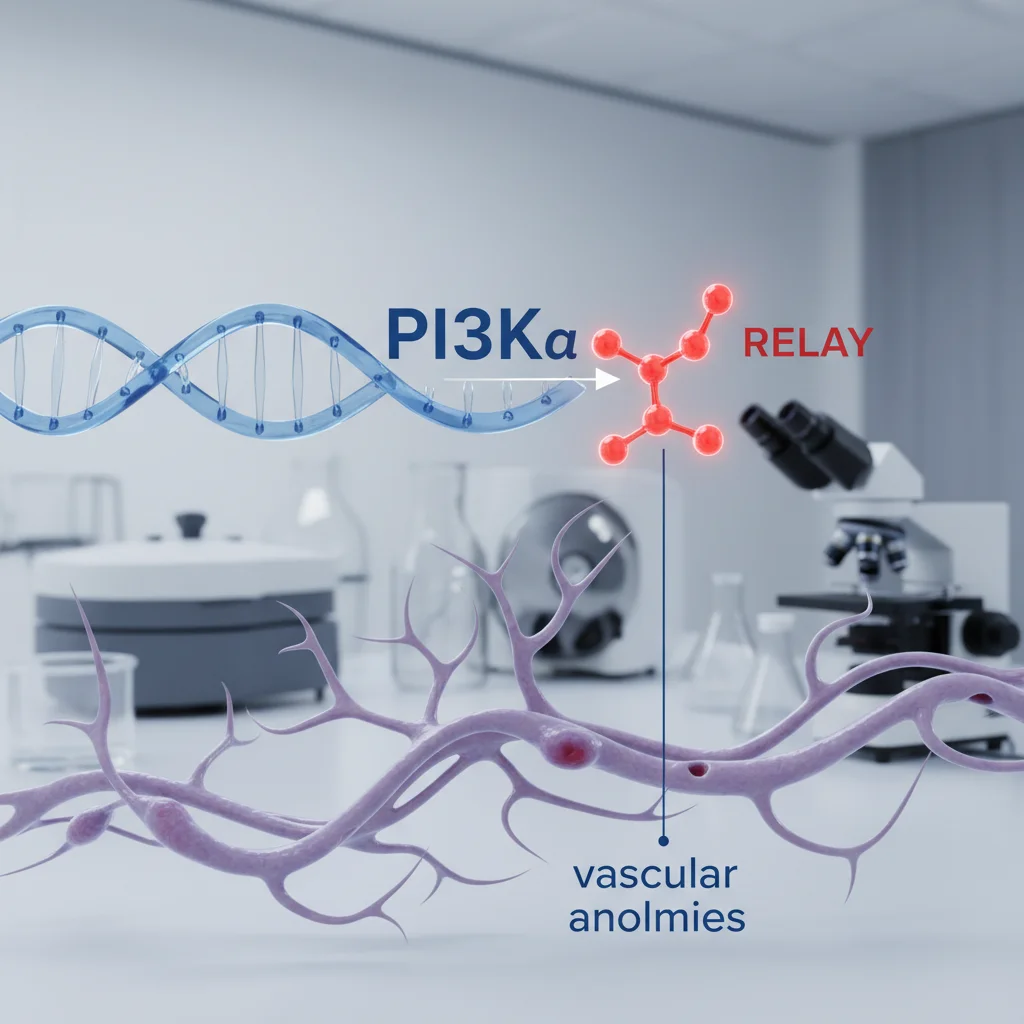
Relay's PI3Kα Inhibitor Shows Promise in Phase 2 Study
Relay's PI3Kα inhibitor has demonstrated significant efficacy in a Phase 2 study targeting vascular anomalies, raising investment interest.
Contents5 sections
Relay's PI3Kα Inhibitor Shows Promise in Phase 2 Study
Relay's PI3Kα inhibitor has demonstrated significant efficacy in a Phase 2 study targeting vascular anomalies, raising investment interest. The results signal a potential shift in the treatment landscape for these rare conditions and a possible boost for Relay's pipeline. But will this translate to commercial success? Investors are watching closely.
What Are the Key Takeaways?
Relay's drug cleared the efficacy bar in a Phase 2 study. This positions the company for a potential market impact in vascular anomalies. Here's what stakeholders should consider:
- Efficacy Milestone: The PI3Kα inhibitor met its primary endpoints.
- Market Impact: Expect a ripple effect in the vascular anomalies space.
- Investor Focus: Monitor upcoming clinical milestones and regulatory pathways.
- Competitive Dynamics: Successful commercialization could reshape the competitive landscape.
What Happened in the Phase 2 Study?
The Phase 2 study focused on vascular anomalies. Relay's PI3Kα inhibitor successfully cleared the efficacy bar. This is a critical step, suggesting the drug has therapeutic potential. Details of the trial, including specific efficacy data, are being closely scrutinized by the pharma community. The company's stock price, no doubt, reflected the positive news.
What Are the Implications for Pharma Teams?
The results could reshape competitive dynamics in the vascular anomalies market. This will prompt strategic investments and the forging of new partnerships. Pharma teams should evaluate the potential for collaboration and market entry strategies. The vascular anomalies space—often overlooked—could become a hotbed of activity. Will larger players move in? All eyes are on Relay for now.
On the M&A front: Larger companies with established rare disease portfolios may see Relay as an attractive acquisition target. The Phase 2 data provides validation. And—more importantly—reduces risk. A bidding war? Perhaps not. But strategic partnerships? Almost certainly.
Relay faces hurdles, of course. Regulatory approvals are never guaranteed. Commercialization challenges loom large. But the Phase 2 results provide a solid foundation. The next steps will be crucial.
Related coverage
Continue Exploring
Jump into the entities behind this story.
Follow PI3Kα inhibitor developments
FDA vascular anomalies alerts and PI3Kα inhibitor pipeline updates, every Monday.
Sources & references 1 primary sources
Sources verified at publication. See our editorial policy and data sources.
This article follows our editorial standards. Report a correction via editorial contact.