
Zentiva Appeals EU Court Decision on Urban Wastewater Directive Affecting Generic Medicine Access
Zentiva and generic drugmakers challenge EU Urban Wastewater Directive at CJEU, citing concerns over patient access and medicine affordability in Europe.
Intelligence Snapshot
Executive Summary
Zentiva and other generic medicine companies filed appeal at Court of Justice of the European Union challenging Urban Wastewater Treatment Directive
Key Insights
-
Companies argue the directive threatens patient access to affordable off-patent medicines…
Companies argue the directive threatens patient access to affordable off-patent medicines across EU markets
-
Appeal seeks substantive judicial review after earlier court order dismissed case on…
Appeal seeks substantive judicial review after earlier court order dismissed case on procedural grounds
Market Impact
| Regulatory | medium |
|---|---|
| Commercial | medium |
| Competitive | low |
| Investment | low |
Executive Scorecard
Heuristic scores · directional, not investment adviceContents6 sections
Key Takeaways
- Zentiva and other generic medicine companies filed appeal at Court of Justice of the European Union challenging Urban Wastewater Treatment Directive
- Companies argue the directive threatens patient access to affordable off-patent medicines across EU markets
- Appeal seeks substantive judicial review after earlier court order dismissed case on procedural grounds
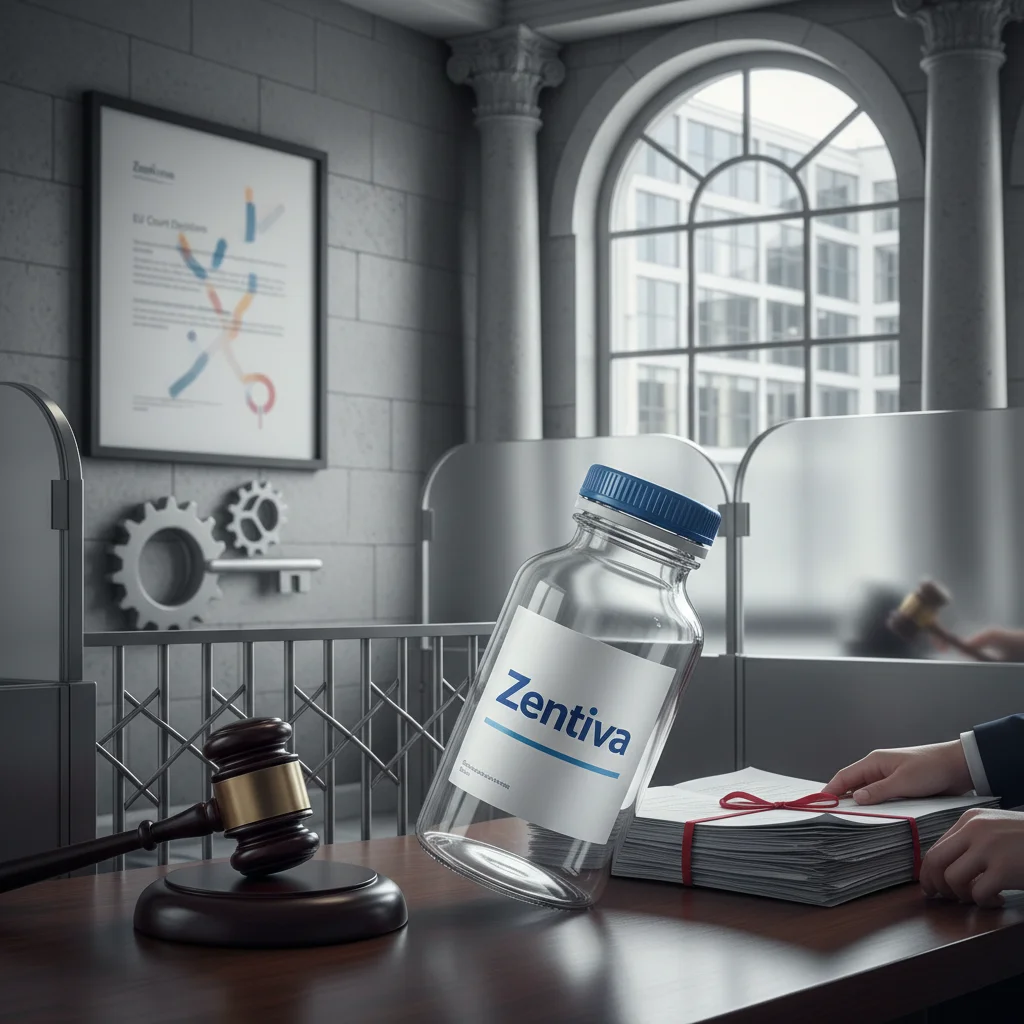
Zentiva and several generic pharmaceutical companies have escalated their legal challenge against the EU Urban Wastewater Treatment Directive (UWWTD) to the Court of Justice of the European Union, arguing the regulation threatens patient access to affordable medicines.
The Prague-based generic drugmaker announced April 27, 2026, that it joined other off-patent medicine manufacturers in filing an appeal with the CJEU. The legal action seeks to overturn an earlier court order that dismissed their case on procedural grounds, preventing substantive review of the directive’s impact on the pharmaceutical sector.
Regulatory Concerns Mount Over Wastewater Rules
The Urban Wastewater Treatment Directive has drawn criticism from generic medicine manufacturers who argue the regulation could significantly increase production costs and limit medicine availability. Industry sources indicate the directive’s environmental compliance requirements may force some manufacturers to relocate operations or discontinue certain products.
“This appeal defends patient access, affordability of medicines and fundamental EU legal principles,” Zentiva stated in its announcement from Prague and Brussels offices.
IntelligenceRegulatory Impact
EMA and MHRA are the agencies to watch. Regulatory relevance reads medium for pharmaceutical intelligence. Teams should track submission types, designations, and guidance shifts that could move approval timelines.
Market Impact on Generic Medicine Sector
The legal challenge highlights growing tensions between environmental regulations and pharmaceutical manufacturing in Europe. Generic medicine companies, which operate on thin profit margins, face particular pressure from new compliance costs that could be passed to healthcare systems and patients.
The off-patent medicine sector supplies approximately 70% of prescription volumes across EU member states, making affordability concerns particularly acute for healthcare budgets already strained by demographic changes and rising treatment costs.
IntelligenceCompetitive Intelligence
Competitive pressure is low. Watch which sponsors move first. Benchmark pipeline positioning, differentiation, and partnership scouting against the signals in this story.
Next Steps in Legal Process
The CJEU appeal represents a critical juncture for both environmental policy and pharmaceutical regulation in Europe. A favorable ruling for Zentiva and co-appellants could force revision of the wastewater directive’s pharmaceutical provisions, while rejection might accelerate industry consolidation as smaller manufacturers exit the market.
Legal experts expect the court proceedings to extend into 2027, creating regulatory uncertainty for generic medicine manufacturers planning European investments and product launches.
Frequently Asked Questions
What is the Urban Wastewater Treatment Directive?
The UWWTD is an EU environmental regulation that sets standards for wastewater treatment, including provisions that affect pharmaceutical manufacturing operations and compliance costs.
How does this affect medicine prices for patients?
Generic drugmakers argue the directive’s compliance costs could increase production expenses, potentially leading to higher medicine prices or reduced availability of affordable generic drugs.
When will the court make a decision?
Legal experts expect the CJEU proceedings to extend into 2027, as the court must first rule on whether to allow substantive review before addressing the directive’s merits.
Related coverage
Ask AI About This Topic
Grounded in NovaPharmaNews intelligence. Pick a prompt to start.
Stay Updated on Pharma News
Get the latest drug approvals, clinical trials, and regulatory updates delivered to your inbox.
- Evidence strength
- 71/100
- Last verified
- Jun 16, 2026
- AI-assisted review
- Yes
- Editorial review
- Dr. Sarah Chen
Moderate source quality · grounded in cited primary and secondary sources.
This article follows our editorial standards. Report a correction via editorial contact.
About the Author

Continue Your Research
SQ Innovation's Lasix ONYU Receives CE Marking Approval, Advances Toward European Market Authorization

New Additional Risk Minimization Measures (aRMMs) Training Course Launches to Enhance Pharmaceutical Patient Safety Protocols

MENA Medical Device Regulatory Training Course Launches May 2026 to Address Growing Market Demand