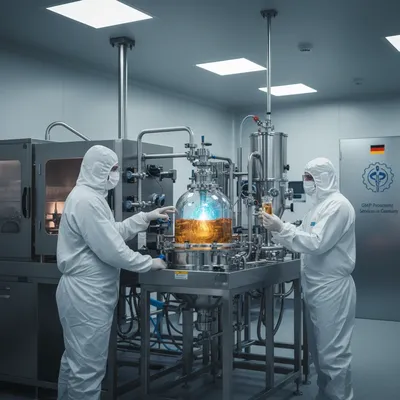
Pharmaceutical Intermediates Market to Reach $57 Billion by 2035 as Generic Drug Manufacturing Drives 4.5% Annual Growth
Global pharmaceutical intermediates market projected to grow from $36.62B to $57.03B by 2035, driven by generic drug demand and advanced manufacturing.
Intelligence Snapshot
Executive Summary
Pharmaceutical intermediates market valued at $36.62 billion in 2025, projected to reach $57.03 billion by 2035
Key Insights
-
Market growth driven by rising generic drug demand, increased R&D investments, and…
Market growth driven by rising generic drug demand, increased R&D investments, and complex manufacturing processes
-
Steady 4.5% compound annual growth rate reflects sustained expansion in global drug…
Steady 4.5% compound annual growth rate reflects sustained expansion in global drug production capabilities
Market Impact
| Regulatory | medium |
|---|---|
| Commercial | medium |
| Competitive | low |
| Investment | low |
Executive Scorecard
Heuristic scores · directional, not investment adviceContents6 sections
Key Takeaways
- Pharmaceutical intermediates market valued at $36.62 billion in 2025, projected to reach $57.03 billion by 2035
- Market growth driven by rising generic drug demand, increased R&D investments, and complex manufacturing processes
- Steady 4.5% compound annual growth rate reflects sustained expansion in global drug production capabilities
The global pharmaceutical intermediates market is experiencing robust growth, with Future Market Insights projecting the sector will expand from $36.62 billion in 2025 to $57.03 billion by 2035, representing a compound annual growth rate (CAGR) of 4.5%.
Market Drivers Fuel Sustained Growth
Three primary factors are propelling this market expansion. Rising demand for generic drugs continues to be a major catalyst, as healthcare systems worldwide seek cost-effective alternatives to branded medications. This trend has intensified pressure on pharmaceutical manufacturers to scale production of intermediate compounds essential for generic drug synthesis.
Increasing pharmaceutical research and development investments represent another significant growth driver. As companies pursue more complex therapeutic targets, the demand for sophisticated intermediate compounds has surged. These building blocks are crucial for developing next-generation treatments across therapeutic areas including oncology, immunology, and rare diseases.
The growing complexity of modern drug manufacturing processes has also contributed to market expansion. Today’s pharmaceutical products often require multi-step synthesis pathways involving numerous intermediate compounds, creating sustained demand for specialized chemical manufacturing capabilities.
IntelligenceRegulatory Impact
EMA and MHRA set GMP, data-integrity, and post-approval change expectations for sterile and biologics manufacturing in Europe. Regulatory relevance reads medium for pharmaceutical intelligence. Track inspection trends, Annex 1 alignment, and submission pathways for continuous manufacturing.
Regional Market Dynamics
The European pharmaceutical intermediates market plays a crucial role in this global growth story. European manufacturers benefit from established regulatory frameworks, advanced manufacturing infrastructure, and proximity to major pharmaceutical companies. The region’s emphasis on quality standards and regulatory compliance positions European intermediate suppliers as preferred partners for global drug manufacturers.
IntelligenceCompetitive Intelligence
Competitive pressure is low on capacity and tech-transfer positioning. Benchmark which CDMOs, equipment vendors, and sponsors adopt continuous and isolator platforms first. Supplier hub and pipeline links below connect to named partners.
Industry Implications
This steady growth trajectory reflects the pharmaceutical industry’s continued evolution toward more sophisticated manufacturing processes. As drug development becomes increasingly complex, the role of pharmaceutical intermediates becomes more critical to ensuring reliable supply chains and maintaining product quality.
The projected growth also signals opportunities for companies specializing in custom synthesis and contract manufacturing services. Organizations that can demonstrate expertise in complex intermediate production while maintaining regulatory compliance are well-positioned to capitalize on this expanding market.
Frequently Asked Questions
What are pharmaceutical intermediates and why are they important?
Pharmaceutical intermediates are chemical compounds used as building blocks in drug manufacturing. They’re essential for creating both generic and branded medications through multi-step synthesis processes.
How does generic drug demand impact the intermediates market?
Growing generic drug demand drives increased production of intermediate compounds needed for synthesis, as manufacturers scale operations to meet cost-effective medication requirements globally.
What factors contribute to the 4.5% growth rate projection?
The growth is driven by rising generic drug demand, increased pharmaceutical R&D investments, and the growing complexity of modern drug manufacturing requiring more sophisticated intermediate compounds.
Related coverage
Ask AI About This Topic
Grounded in NovaPharmaNews intelligence. Pick a prompt to start.
Stay Updated on Pharma News
Get the latest drug approvals, clinical trials, and regulatory updates delivered to your inbox.
- Evidence strength
- 71/100
- Last verified
- Jun 17, 2026
- AI-assisted review
- Yes
- Editorial review
- Dr. Sarah Chen
Moderate source quality · grounded in cited primary and secondary sources.
This article follows our editorial standards. Report a correction via editorial contact.