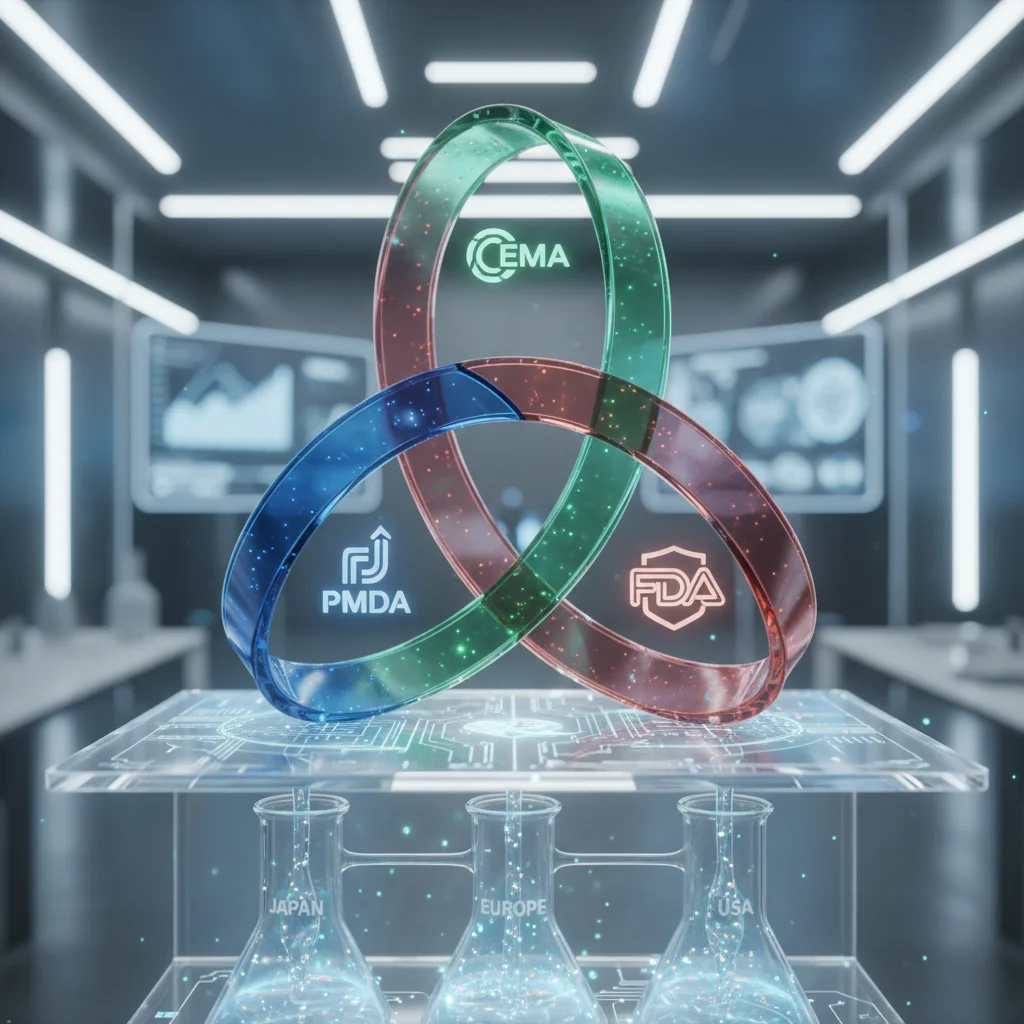
ICH Guidelines Biosimilar Development: Impact on APAC Approval Timelines
This article delves into ICH guidelines for biosimilar development, highlighting their influence on approval timelines in the APAC region for critical therapies.

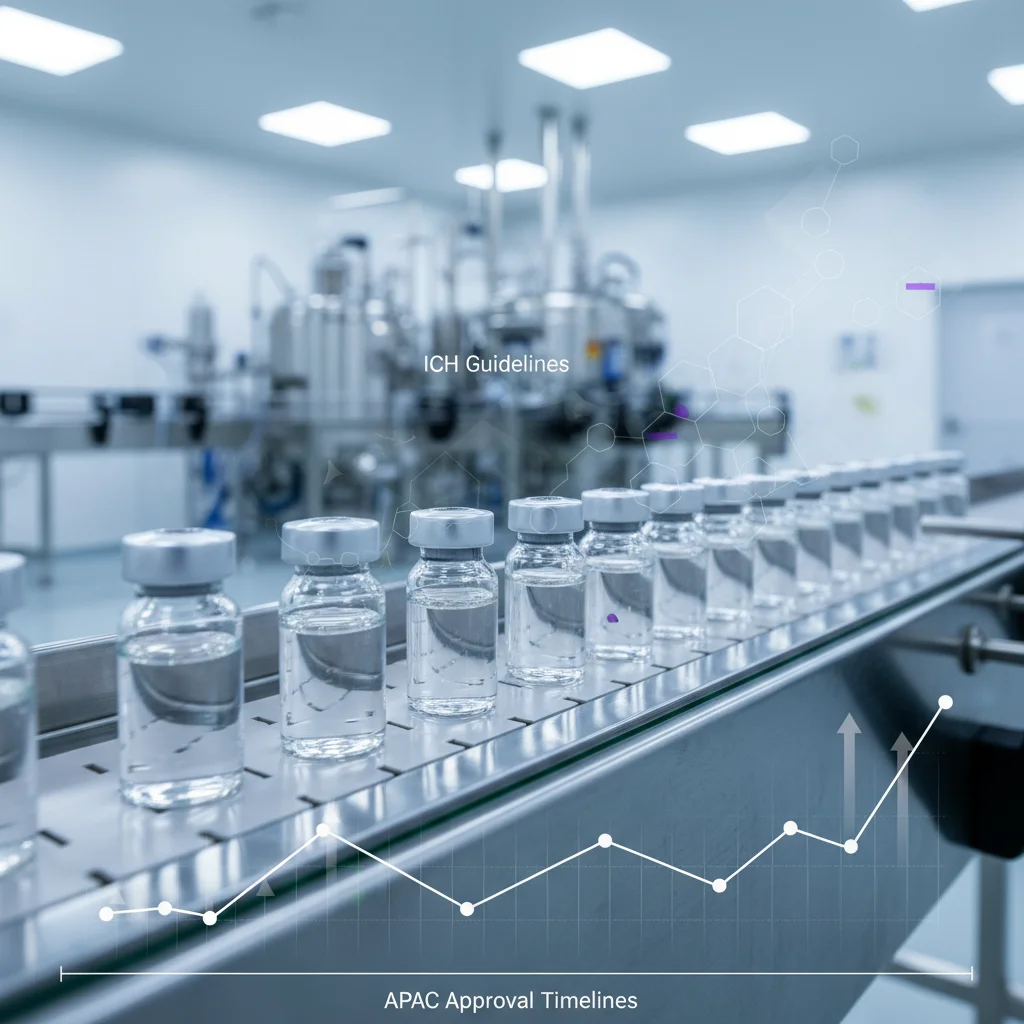
The International Council for Harmonisation (ICH) is reshaping biosimilar development timelines across the Asia-Pacific region through standardized technical guidelines that reduce regulatory redundancy and accelerate market entry. As major regulatory agencies—including China's National Medical Products Administration (NMPA), Japan's Pharmaceuticals and Medical Devices Agency (PMDA), Australia's Therapeutic Goods Administration (TGA), India's Central Drugs Standard Organisation (CDSCO), South Korea's Ministry of Food and Drug Safety (MFDS), Singapore's Health Sciences Authority (HSA), and Taiwan's Food and Drug Administration (TFDA)—increasingly align with ICH guidelines for biosimilar development, developers face both opportunities and persistent implementation challenges across disparate national frameworks.
ICH Guidelines and Biosimilar Regulatory Harmonization in APAC
The International Council for Harmonisation develops scientific and technical standards that facilitate regulatory convergence across major pharmaceutical markets. For biosimilars, ICH guidelines—particularly ICH Q5(E), Q6(B), and Q14—establish unified expectations for analytical characterization, animal toxicity studies, and clinical immunogenicity assessment. These guidelines define the comparative totality-of-evidence approach, which has become foundational to biosimilar approvals worldwide.
The Asia-Pacific region represents the fastest-growing biosimilar market globally, driven by aging populations, rising chronic disease prevalence, and cost pressures in healthcare systems across China, Japan, South Korea, India, and Southeast Asia. However, regulatory fragmentation has historically prolonged development cycles. ICH guideline adoption offers a pathway to standardize expectations, reduce duplicative studies, and accelerate patient access to affordable biologic therapies in oncology, immunology, and other therapeutic areas.
Regulatory Frameworks for Biosimilars Across Key APAC Markets
China (NMPA): The NMPA has progressively aligned biosimilar requirements with ICH principles since 2015. Current guidelines mandate comparative analytical studies, animal toxicity data, and Phase III clinical trials demonstrating pharmacokinetic (PK) and pharmacodynamic (PD) equivalence. The NMPA's accelerated pathway for oncology biosimilars has reduced review timelines to 18–24 months for well-characterized molecules.
Japan (PMDA): Japan was among the first APAC regulators to formally adopt ICH biosimilar guidelines. The PMDA requires comprehensive analytical comparability, non-clinical studies, and clinical PK/PD and efficacy trials. Japanese approval timelines average 24–30 months; the PMDA's conditional approval pathway has further shortened timelines for unmet medical needs.
Australia (TGA): The TGA has aligned its biosimilar framework with ICH Q5(E) and Q6(B) since 2009. Approval typically requires analytical data, animal studies, and Phase III comparative clinical trials. The TGA's recognition of overseas regulatory decisions through mutual recognition agreements has reduced local trial requirements, enabling faster market entry.
India (CDSCO): The CDSCO's biosimilar guidance (2016, revised 2023) increasingly references ICH principles but maintains additional local data requirements, including Phase III trials conducted in Indian populations. This divergence has extended approval timelines to 36–48 months, creating a bottleneck for developers.
South Korea (MFDS): The MFDS has closely aligned with ICH guidelines and EMA standards. Biosimilar approvals typically require comparative analytical studies, animal toxicity data, and Phase III clinical trials. Average approval timelines are 24–28 months, among the fastest in APAC.
Singapore (HSA) and Taiwan (TFDA): Both regulators have adopted ICH-aligned frameworks with streamlined pathways. Singapore's HSA recognizes overseas approvals and has introduced reliance pathways, reducing local trial requirements. Taiwan's TFDA similarly accepts comparative data from ICH-aligned markets, enabling faster approval cycles of 18–24 months.
Impact of ICH Guidelines on Development Timelines and Efficiency
ICH guideline harmonization has demonstrably shortened biosimilar development cycles in APAC through three primary mechanisms:
Reduced Analytical and Non-Clinical Redundancy: Standardized analytical characterization protocols under ICH Q5(E) and Q6(B) eliminate the need for duplicate studies across markets. Developers can now conduct a single comprehensive analytical comparability package and submit it across multiple APAC jurisdictions, reducing timelines by 6–12 months compared to pre-harmonization practices.
Streamlined Clinical Trial Design: ICH guidelines establish unified expectations for Phase III comparative efficacy trials, eliminating the need for separate trials in each market. A single Phase III trial demonstrating PK/PD equivalence and clinical efficacy is now accepted across NMPA, PMDA, and TGA, reducing clinical development timelines from 48–60 months to 36–42 months.
Accelerated Review Pathways: Regulatory agencies in Japan, South Korea, and Australia have introduced priority review pathways for biosimilars addressing unmet medical needs in oncology and autoimmune diseases. These pathways, underpinned by ICH principles, have reduced review timelines from 24 months to 12–15 months for designated products.
Real-world examples demonstrate this efficiency. Several trastuzumab (Herceptin) biosimilars achieved approval across Japan, South Korea, and Australia within 18–24 months of initial filing, compared to 36–48 months for earlier-generation biosimilars developed under pre-harmonization frameworks.
Challenges and Limitations in APAC Regulatory Harmonization
Despite ICH guideline adoption, significant regulatory divergence persists across APAC:
Variable Implementation: While NMPA, PMDA, and TGA have formally aligned with ICH guidelines, adoption varies. The CDSCO and TFDA maintain additional local data requirements—such as Phase III trials in local populations—that extend timelines and increase development costs. This creates a two-tier system where developers face streamlined pathways in some markets and traditional full-package requirements in others.
Clinical Trial Expectations: Differences in acceptable control arms, comparator selection, and efficacy endpoints persist. The CDSCO, for example, requires efficacy trials in Indian patient populations despite ICH guidance permitting reliance on overseas data. Similarly, some APAC regulators maintain stricter immunogenicity monitoring requirements than ICH guidelines prescribe.
Data Localization and Submission Format: China's NMPA historically required local clinical data and continues to favor Mandarin-language submissions, creating administrative barriers. While digital submission standards are improving, inconsistencies in electronic Common Technical Document (eCTD) acceptance across APAC regulators remain.
Pricing and Reimbursement Divergence: Regulatory approval does not guarantee market access. Reimbursement policies vary widely—Singapore's HSA may approve a biosimilar rapidly, but national health systems may not reimburse it at parity with reference products, limiting commercial incentives for developers.
Future Outlook: Advancing Regulatory Convergence in APAC
Several initiatives are expected to deepen ICH guideline implementation and further streamline biosimilar approval across APAC:
Regional Reliance Pathways: The PMDA, TGA, and HSA are formalizing mutual reliance agreements under which one regulator's approval decision informs expedited review in another. These pathways, grounded in ICH principles, are projected to reduce approval timelines by an additional 6–12 months for participating markets.
Digital Submission Standards: Harmonized eCTD submission formats and digital review infrastructure are being deployed across NMPA, PMDA, and TGA. Full implementation by 2026–2027 is expected to reduce administrative review timelines by 15–20%.
Convergence Initiatives: The APAC Regulatory Harmonization Forum, convened by pharmaceutical industry associations, is working with NMPA, CDSCO, and MFDS to align immunogenicity assessment protocols and clinical trial expectations with ICH Q5(E). Formal alignment is anticipated by 2027.
Emerging Trends: Bioanalytical method harmonization, accelerated assessment for biosimilars in unmet need areas, and acceptance of real-world evidence are expanding. These trends, supported by ICH guidelines, are expected to further compress development and regulatory timelines.
Frequently Asked Questions
How do ICH guidelines specifically reduce biosimilar approval timelines in APAC?
ICH guidelines establish unified analytical characterization, non-clinical study design, and clinical trial protocols that developers can deploy across multiple APAC markets without modification. This eliminates redundant studies and allows parallel regulatory submissions, reducing overall timelines by 12–24 months compared to pre-harmonization practices. Standardized immunogenicity assessment and PK/PD trial designs are particularly impactful.
Which APAC regulatory agencies have fully adopted ICH biosimilar guidelines?
The PMDA (Japan), TGA (Australia), MFDS (South Korea), and HSA (Singapore) have formally aligned their biosimilar frameworks with ICH Q5(E), Q6(B), and Q14 guidelines and accept comparative data packages developed to ICH standards. The NMPA (China) has progressively aligned since 2015 but maintains additional requirements for oncology biosimilars. The CDSCO (India) and TFDA (Taiwan) reference ICH guidelines but retain local data requirements.
What are the main barriers to full regulatory harmonization in APAC?
Key barriers include: (1) variable local data requirements, particularly in India and China; (2) differences in clinical trial endpoint definitions and acceptable control arms; (3) data localization mandates in some jurisdictions; (4) inconsistent digital submission standards; and (5) divergent reimbursement policies that complicate market access despite regulatory approval. These factors create a fragmented approval landscape despite ICH guideline adoption.
How do reliance pathways accelerate biosimilar approvals?
Reliance pathways allow a regulatory agency to expedite review by accepting another regulator's approval decision or data package as evidence of safety and efficacy. Under ICH-aligned frameworks, the PMDA, TGA, and HSA can grant approval based on NMPA or EMA decisions, reducing local review timelines from 24 months to 6–12 months. This approach is most effective for well-characterized molecules with strong analytical and clinical data packages.
What is the expected timeline for full ICH guideline implementation across APAC by 2027?
The PMDA, TGA, MFDS, and HSA are expected to achieve full ICH alignment by 2026. The NMPA is projected to complete alignment for non-oncology biosimilars by 2027. The CDSCO and TFDA are expected to adopt additional ICH principles by 2027–2028, though local data requirements may persist. Regional reliance pathways are anticipated to be operational by 2026–2027, further compressing timelines.
References
- International Council for Harmonisation (ICH). "ICH Q5(E) Comparability of Biotechnological/Biological Products Subject to Changes in Their Manufacturing Process." ICH Harmonised Guideline, 2005.
- International Council for Harmonisation (ICH). "ICH Q6(B) Specifications: Test Procedures and Acceptance Criteria for Biotechnological/Biological Products." ICH Harmonised Guideline, 1999.
- International Council for Harmonisation (ICH). "ICH Q14 Analytical Procedure Development." ICH Harmonised Guideline, 2023.
- National Medical Products Administration (NMPA), China. "Technical Guidelines for Biosimilar Development and Evaluation." NMPA Guidance Document, 2023.
- Pharmaceuticals and Medical Devices Agency (PMDA), Japan. "Guideline on the Preclinical and Clinical Evaluation of Biosimilar Products." PMDA Guidance, 2021.
- Therapeutic Goods Administration (TGA), Australia. "Biosimilar Products: Regulatory Pathway." TGA Guidance Document, 2022.
- Central Drugs Standard Organisation (CDSCO), India. "Guidance for Industry: Biosimilars." CDSCO Guideline, 2023.
- Ministry of Food and Drug Safety (MFDS), South Korea. "Guideline for the Development and Evaluation of Biosimilar Products." MFDS Guidance, 2022.
- Health Sciences Authority (HSA), Singapore. "Regulatory Pathway for Biosimilar Products." HSA Guidance, 2021.
- Taiwan Food and Drug Administration (TFDA). "Guidelines for Biosimilar Product Development." TFDA Guidance Document, 2022.
References
- U.S. Food and Drug Administration. FDA approval. Accessed 2026-04-04.