Biosimilar Market in Japan: Growth Trends Post-PMDA Guideline Revisions
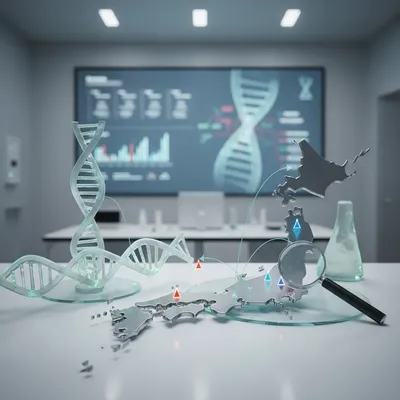
The biosimilar market in Japan is experiencing significant growth following PMDA guideline revisions, impacting drugs such as adalimumab for rheumatoid arthritis.
Intelligence Snapshot
Executive Summary
Market valuation: Japan's biosimilar market reached USD 502.09 million in 2024 and is projected to grow at a compound annual growth rate (CAGR) of 10.12% through 2030.
Key Insights
-
Regulatory catalyst: Recent revisions to the Pharmaceuticals and Medical Devices Agency…
Regulatory catalyst: Recent revisions to the Pharmaceuticals and Medical Devices Agency (PMDA) biosimilar approval guidelines have streamlined approval pathways, enabling faster market entry for biosimilar manufacturers.
-
Government support: Japanese government initiatives and policy frameworks have actively…
Government support: Japanese government initiatives and policy frameworks have actively supported biosimilar market expansion, enhancing patient access to biologic therapies at lower cost.
-
Strategic opportunity: Streamlined regulatory processes and cost-sensitive adoption…
Strategic opportunity: Streamlined regulatory processes and cost-sensitive adoption strategies position Japan as a high-growth market for biosimilar manufacturers and healthcare stakeholders.
Market Impact
| Regulatory | medium |
|---|---|
| Commercial | medium |
| Competitive | low |
| Investment | low |
Quick Answer
Key Questions
- What are the key differences between the revised and previous PMDA biosimilar approval guidelines?
- How do government initiatives support biosimilar market growth in Japan?
- What is the projected market size and growth rate for Japanese biosimilars through 2030?
- Which therapeutic areas are driving biosimilar market growth in Japan?
- What challenges do biosimilar manufacturers face in the Japanese market?
Executive Scorecard
Heuristic scores · directional, not investment adviceContents9 sections
Medically Reviewed
by Dr. James Morrison, Chief Medical Officer (MD, FACP, FACC)
Reviewed on: April 27, 2026
Key Takeaways
- Market valuation: Japan's biosimilar market reached USD 502.09 million in 2024 and is projected to grow at a compound annual growth rate (CAGR) of 10.12% through 2030.
- Regulatory catalyst: Recent revisions to the Pharmaceuticals and Medical Devices Agency (PMDA) biosimilar approval guidelines have streamlined approval pathways, enabling faster market entry for biosimilar manufacturers.
- Government support: Japanese government initiatives and policy frameworks have actively supported biosimilar market expansion, enhancing patient access to biologic therapies at lower cost.
- Strategic opportunity: Streamlined regulatory processes and cost-sensitive adoption strategies position Japan as a high-growth market for biosimilar manufacturers and healthcare stakeholders.
Japan's biosimilar market is experiencing accelerated growth following recent regulatory reforms by the Pharmaceuticals and Medical Devices Agency (PMDA), with the market valued at USD 502.09 million in 2024 and expected to expand at a 10.12% CAGR through 2030. Why it matters: Recent PMDA guideline revisions and government support have accelerated biosimilar approvals and market growth in Japan, enhancing access to biologic therapies and reducing healthcare costs. The regulatory streamlining and policy initiatives reflect Japan's strategic commitment to expanding biosimilar adoption across its healthcare system.
IntelligenceRegulatory Impact
PMDA are the agencies to watch. Regulatory relevance reads medium for biosimilars. Teams should track submission types, designations, and guidance shifts that could move approval timelines.
Biosimilar Market Overview in Japan
The biosimilar sector in Japan represents a critical component of the country's biopharmaceutical landscape, encompassing follow-on versions of approved biologic drugs that demonstrate comparable efficacy, safety, and quality to their originator counterparts. Biosimilars are produced using recombinant DNA technology and undergo rigorous comparative analytical and clinical assessments to establish biosimilarity. In the Japanese context, biosimilars address a dual mandate: expanding patient access to expensive biologic therapies while supporting cost containment within Japan's healthcare system. The PMDA, Japan's regulatory authority equivalent to the U.S. Food and Drug Administration (FDA), oversees the approval and post-market surveillance of biosimilars through a dedicated regulatory framework designed to balance innovation with patient safety.
The therapeutic scope of Japanese biosimilars spans multiple disease categories, including oncology, immunology, rheumatology, and endocrinology. The market's growth is underpinned by demographic trends—Japan's aging population and rising prevalence of chronic diseases—alongside economic pressures to optimize healthcare spending. Government reimbursement policies and pricing mechanisms have increasingly favored biosimilar adoption, creating a favorable environment for market penetration and competition with originator biologics.
IntelligenceCompetitive Intelligence
Competitive pressure is low. Watch which sponsors move first. Benchmark pipeline positioning, differentiation, and partnership scouting against the signals in this story.
PMDA Regulatory Framework and Guideline Revisions
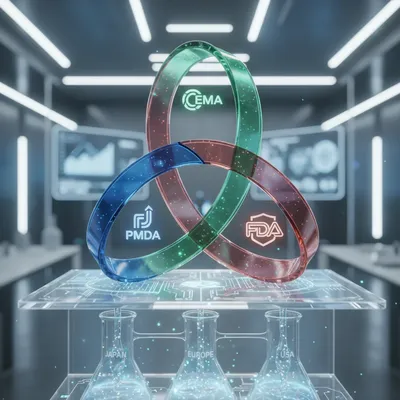
The PMDA has implemented significant revisions to its biosimilar approval guidelines, fundamentally reshaping the regulatory pathway for biosimilar manufacturers seeking market entry in Japan. These guideline updates have streamlined the approval process by clarifying comparative analytical requirements, reducing redundant clinical trial data submission, and establishing more transparent timelines for regulatory review. The revised framework reflects international harmonization efforts with regulatory bodies such as the FDA and the European Medicines Agency (EMA), facilitating convergence of biosimilar standards across major markets.
Compared with previous PMDA biosimilar guidelines, the updated framework emphasizes risk-based decision-making and leverages existing nonclinical and clinical data from originator biologic development. This approach reduces the burden on biosimilar developers while maintaining rigorous scientific standards for demonstrating comparability. The streamlined approval pathways have shortened time-to-market for biosimilars, enabling manufacturers to launch products more rapidly and capture market share in a competitive landscape.
Government initiatives complementing the PMDA's regulatory reforms include preferential reimbursement policies, incentive programs for healthcare providers adopting biosimilars, and public education campaigns aimed at increasing clinician and patient confidence in biosimilar efficacy and safety. These policy mechanisms collectively accelerate biosimilar market penetration and support the government's cost-containment objectives.
IntelligenceMarket Signals
Commercial pull is medium and investment relevance low. Expect implications for biosimilars pricing, access, and launch sequencing.
Market Growth Dynamics and Valuation
Japan's biosimilar market demonstrated substantial valuation at USD 502.09 million in 2024, reflecting the cumulative impact of regulatory reforms, government support, and growing clinical adoption. The projected CAGR of 10.12% through 2030 indicates robust and sustained market expansion, positioning Japan among the fastest-growing biosimilar markets in the Asia-Pacific region.
What to watch next: As PMDA continues to implement guideline refinements and government biosimilar incentive programs expand, the market is expected to accelerate further, with particular growth anticipated in high-volume therapeutic areas such as oncology and immunology. The competitive landscape is intensifying as both domestic and international biosimilar manufacturers establish or expand manufacturing capacity in Japan to capture emerging market opportunities.
Market penetration is being driven by several interconnected factors. First, the streamlined regulatory approval pathway reduces development timelines and associated costs, enabling biosimilar manufacturers to achieve profitability at lower market volumes. Second, government reimbursement policies that favor biosimilars over originator biologics create financial incentives for healthcare providers and patients to adopt biosimilar therapies. Third, increasing clinical experience and safety data accumulation have bolstered healthcare provider confidence in biosimilar prescribing practices. Fourth, cost-sensitive healthcare purchasing decisions by Japanese hospitals and clinics have prioritized biosimilars as a mechanism to optimize drug procurement budgets while maintaining therapeutic quality.
IntelligenceStrategic Takeaways
Market valuation: Japan's biosimilar market reached USD 502.09 million in 2024 and is projected to grow at a compound annual growth rate (CAGR) of 10.12% through 2030. Regulatory catalyst: Recent revisions to the Pharmaceuticals and Medical Devices Agency (PMDA) biosimilar approval guidelines have streamlined approval pathways, enabling faster market entry for biosimilar manufacturers. Government support: Japanese government initiatives and policy frameworks have actively supported biosimilar market expansion, enhancing patient access to biologic therapies at lower cost.
Competitive Landscape and Strategic Positioning
The Japanese biosimilar market is characterized by increasing competition among domestic and international manufacturers vying for market share. Domestic pharmaceutical companies have leveraged their established relationships with Japanese healthcare providers and regulatory expertise to develop and commercialize biosimilars targeting high-prevalence disease areas. International biosimilar manufacturers have simultaneously invested in Japanese market entry strategies, recognizing the region's growth potential and regulatory accessibility following guideline reforms.
Pricing dynamics in the Japanese biosimilar market reflect a delicate balance between cost containment objectives and manufacturer profitability. Biosimilar pricing typically ranges from 15% to 30% below originator biologic prices, depending on therapeutic area, competition intensity, and reimbursement negotiations with Japan's healthcare system. This pricing differential creates substantial cost savings for healthcare providers and patients while maintaining margins sufficient to support ongoing manufacturing and quality assurance investments.
Patient population considerations are central to biosimilar adoption strategies. Japan's aging demographic profile and high prevalence of chronic diseases such as rheumatoid arthritis, inflammatory bowel disease, and various malignancies create substantial patient populations eligible for biologic therapies. Biosimilar availability expands access to these populations, particularly among economically vulnerable segments where cost remains a barrier to treatment initiation.
Key challenges facing biosimilar manufacturers in Japan include establishing clinical evidence packages that satisfy PMDA requirements, navigating complex healthcare provider relationships, managing manufacturing scale to meet demand, and addressing residual healthcare provider and patient hesitancy regarding biosimilar efficacy and safety. Opportunities include expanding into underserved therapeutic areas, developing combination products with complementary mechanisms, and establishing long-term partnerships with Japanese healthcare institutions to support real-world evidence generation.
IntelligenceEvidence Quality
Claims are grounded in the cited primary and secondary sources, with editorial review applied before publication.
Future Market Outlook and Strategic Implications
The Japanese biosimilar market is positioned for sustained growth through 2030, driven by demographic trends, regulatory streamlining, and government policy support. The projected 10.12% CAGR reflects analyst expectations for continued expansion of biosimilar approvals, increased market penetration across therapeutic areas, and intensifying price competition.
Potential regulatory developments likely to influence market trajectory include further PMDA guideline refinements addressing emerging biosimilar manufacturing technologies, post-market surveillance strategies, and interchangeability designations. Enhanced transparency in PMDA review processes and expedited pathways for biosimilars addressing unmet medical needs may accelerate market entry for innovative biosimilar products.
Manufacturing scale and technology trends are expected to evolve significantly. Biosimilar manufacturers will increasingly adopt continuous manufacturing processes, advanced analytical techniques, and quality-by-design principles to enhance production efficiency and reduce costs. These technological advances will enable manufacturers to maintain competitive pricing while supporting profitability and reinvestment in research and development.
Cost-sensitive adoption strategies across Japan's healthcare system will continue to prioritize biosimilar utilization, particularly within hospital procurement frameworks and large-scale healthcare provider networks. Government reimbursement policies are likely to become increasingly stringent in requiring biosimilar utilization as a condition for coverage of originator biologics, further accelerating market shift toward biosimilars.
For stakeholders seeking to capitalize on market opportunities, recommendations include: (1) investing in regulatory expertise and quality assurance infrastructure to navigate PMDA requirements efficiently; (2) developing comprehensive market access strategies that address healthcare provider education and patient engagement; (3) establishing strategic partnerships with Japanese healthcare institutions to support real-world evidence generation and clinical adoption; (4) monitoring competitive dynamics and pricing trends to maintain market competitiveness; and (5) exploring manufacturing partnerships or facility investments in Japan to optimize supply chain efficiency and regulatory compliance.
Frequently Asked Questions
What are the key differences between the revised and previous PMDA biosimilar approval guidelines?
The revised PMDA biosimilar guidelines emphasize risk-based decision-making and streamlined comparative analytical and clinical assessment requirements. The updated framework reduces redundant data submissions, clarifies timelines for regulatory review, and aligns with international standards established by the FDA and EMA. These revisions have shortened approval timelines and reduced the regulatory burden on biosimilar developers while maintaining rigorous scientific standards for demonstrating biosimilarity to originator products.
How do government initiatives support biosimilar market growth in Japan?
Japanese government initiatives supporting biosimilar adoption include preferential reimbursement policies that favor biosimilars over originator biologics, incentive programs for healthcare providers that prescribe biosimilars, and public education campaigns aimed at increasing clinician and patient confidence in biosimilar efficacy and safety. These policy mechanisms collectively reduce financial barriers to biosimilar adoption and accelerate market penetration across therapeutic areas.
What is the projected market size and growth rate for Japanese biosimilars through 2030?
Japan's biosimilar market was valued at USD 502.09 million in 2024 and is projected to grow at a compound annual growth rate (CAGR) of 10.12% through 2030. This growth rate reflects sustained expansion of biosimilar approvals, increased market penetration across therapeutic areas, and intensifying price competition within the Japanese healthcare system.
Which therapeutic areas are driving biosimilar market growth in Japan?
High-volume therapeutic areas including oncology, immunology, rheumatology, and endocrinology are driving biosimilar market growth in Japan. These disease categories represent substantial patient populations eligible for biologic therapies and offer significant cost-saving opportunities through biosimilar adoption. Japan's aging demographic profile and rising prevalence of chronic diseases within these therapeutic areas create sustained demand for biosimilar products.
What challenges do biosimilar manufacturers face in the Japanese market?
Key challenges include establishing clinical evidence packages that satisfy PMDA requirements, navigating complex healthcare provider relationships, managing manufacturing scale to meet growing demand, and addressing residual healthcare provider and patient hesitancy regarding biosimilar efficacy and safety. Manufacturers must also maintain competitive pricing while supporting profitability and invest in quality assurance infrastructure to comply with regulatory standards.
References
- Japan Biosimilar Market Size, Share & Growth Analysis: Market valuation at USD 502.09 million in 2024, projected CAGR of 10.12% through 2030, driven by PMDA guideline revisions and government support initiatives.
Related coverage
Ask AI About biosimilars
Grounded in NovaPharmaNews intelligence. Pick a prompt to start.
Track biosimilars news weekly
NMPA biosimilars news and regulatory updates, every Monday.
- Evidence strength
- 44/100
- Last verified
- Jun 16, 2026
- AI-assisted review
- Yes
- Editorial review
- Dr. Sarah Chen
Limited source quality · grounded in cited primary and secondary sources.
This article follows our editorial standards. Report a correction via editorial contact.