EMA Biosimilar Policy: Market Impact and Regulatory Insights 2024
This article delves into the EMA's 2024 biosimilar policy, analyzing its market impact and regulatory insights for biologics such as adalimumab.


Medically Reviewed
by Dr. James Morrison, Chief Medical Officer (MD, FACP, FACC)
Reviewed on: April 20, 2026
Key Takeaways
- EMA Biosimilar Policy Overview: The European Medicines Agency (EMA) pioneered the first comprehensive biosimilar approval pathway in 2005.
- Policy Emphasis: The policy emphasizes strict comparability in quality, safety, and efficacy with reference biologics.
- National Authority: EU member states retain authority over interchangeability and substitution, influencing uptake variability.
- Market Impact: There has been a significant increase in biosimilar market penetration, with some EU countries exceeding 50% uptake in key therapeutic areas.
The European Medicines Agency (EMA) biosimilar policy has significantly shaped the European pharmaceutical market by facilitating the approval and adoption of biosimilar medicines, leading to increased competition and reduced healthcare costs. The EMA was the first major regulatory agency to establish a comprehensive FDA biosimilar approval pathway, setting a precedent for other regions. Why it matters: This framework has enabled greater access to more affordable treatment options for patients across the European Union.
Drug Overview
Biosimilars are follow-on versions of original biologic medicines, developed after the patent and exclusivity periods of the reference product have expired. These medicines are designed to have the same safety and efficacy as their reference biologics. The EMA biosimilar guidelines emphasize comparability in quality, safety, and efficacy to the reference biologic. These biosimilars are used in the treatment of various conditions, including autoimmune diseases, oncology indications, and endocrinology disorders.
Clinical Insights
The EMA's approval pathway for biosimilars relies on demonstrating comparability to the reference product through extensive analytical, non-clinical, and clinical data. Class-typical adverse events for biosimilars mirror those of their reference biologics, including infusion-related reactions, immunogenicity concerns, and organ-specific toxicities depending on the molecule. No unique safety signals have been consistently identified for EMA-approved biosimilars.
Regulatory Context
The EMA established its biosimilar approval pathway in 2005. Typical EMA biosimilar approval involves initial scientific advice, submission of a marketing authorization application with comprehensive comparability data, followed by a centralized evaluation process lasting approximately 210 days excluding clock stops. Post-approval, pharmacovigilance and risk management plans are mandatory.
Market Impact
The EMA policy has led to increased biosimilar market penetration across the EU, with some countries achieving over 50% uptake in certain therapeutic areas. Cost savings from biosimilar adoption have been substantial, estimated in the billions of euros across the EU healthcare systems. The policy has fostered a competitive EU biosimilar market with multiple manufacturers. Compared with originator biologics, biosimilars offer a more cost-effective alternative. Uptake varies by member state due to national interchangeability and substitution policies.
Future Outlook
Continued growth in biosimilar approvals is expected, expanding therapeutic indications. Pressure on pricing and reimbursement strategies will intensify due to increased competition. Stakeholders must monitor evolving EMA guidelines and national policies for market access optimization. What to watch next: Potential harmonization efforts to reduce uptake variability across EU markets.
Frequently Asked Questions
What are the key principles of the EMA's biosimilar approval pathway?
The EMA's biosimilar approval pathway emphasizes demonstrating comparability in quality, safety, and efficacy to the reference biologic medicine through comprehensive analytical, non-clinical, and clinical data.
How does the EMA policy impact healthcare costs in the EU?
Cost savings from biosimilar adoption have been substantial, estimated in the billions of euros across the EU healthcare systems, making treatments more accessible.
What factors influence biosimilar uptake across different EU member states?
Uptake varies by member state due to national interchangeability and substitution policies, physician prescribing habits, and patient acceptance, which are determined at the member state level, not by the EMA.
What are the common safety concerns associated with biosimilars approved by the EMA?
Class-typical adverse events for biosimilars mirror those of their reference biologics, including infusion-related reactions, immunogenicity concerns, and organ-specific toxicities depending on the molecule. No unique safety signals have been consistently identified for EMA-approved biosimilars.
References
References
- European Medicines Agency. EMA approval. Accessed 2026-04-20.

European Regulatory Correspondent
Dr. Marcus Weber is a cardiologist and former EMA rapporteur with expertise in European pharmaceutical policy. He holds degrees from Heidelberg University and has advised on over 50 marketing authoriz...
About the Author
Related Articles

Biosimilar Oncology Antibodies: EMA Market Dynamics & Healthcare Impact
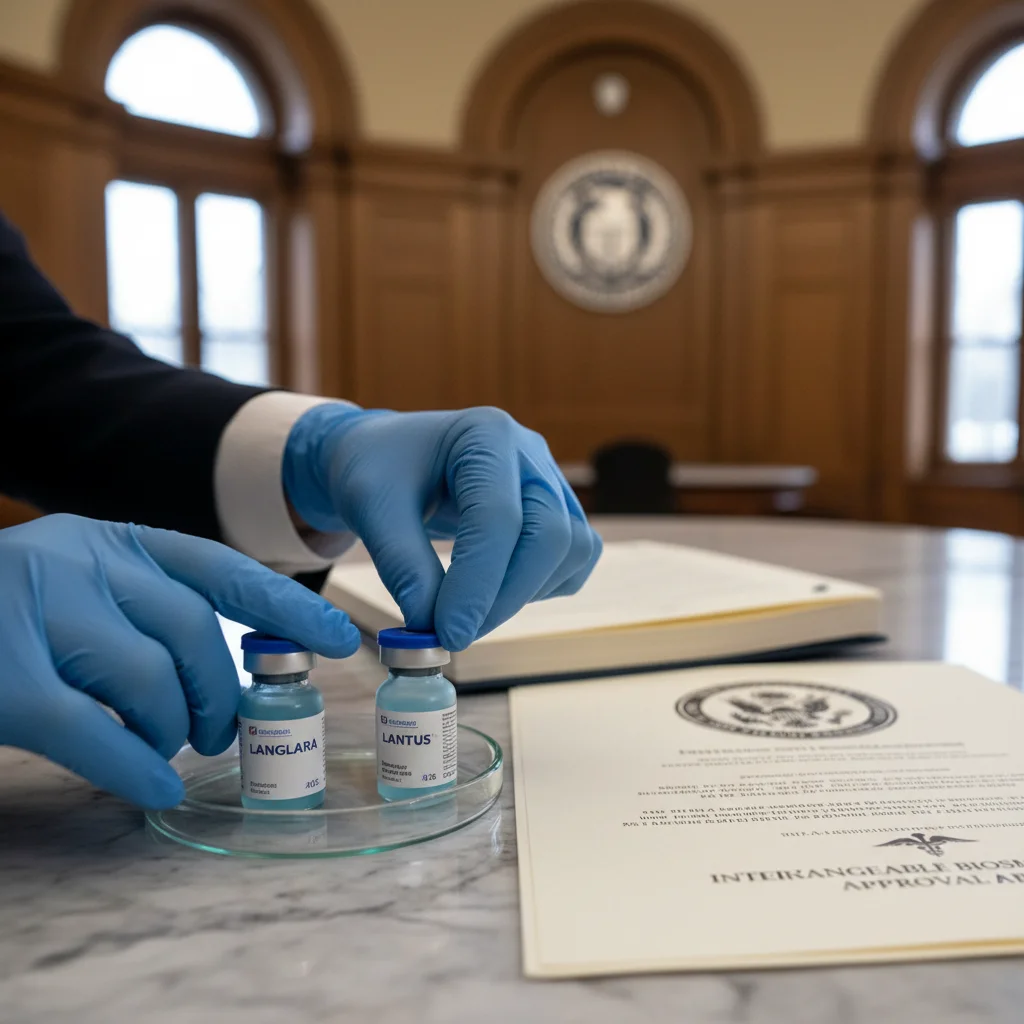
FDA Approves LANGLARA Interchangeable Biosimilar to Lantus Insulin - Lannett Company Receives Key Diabetes Drug Approval

Biosimilar Uptake EU: Market Impact Post-Patent Expirations & HTA Regulation