
Drugs: durvalumab
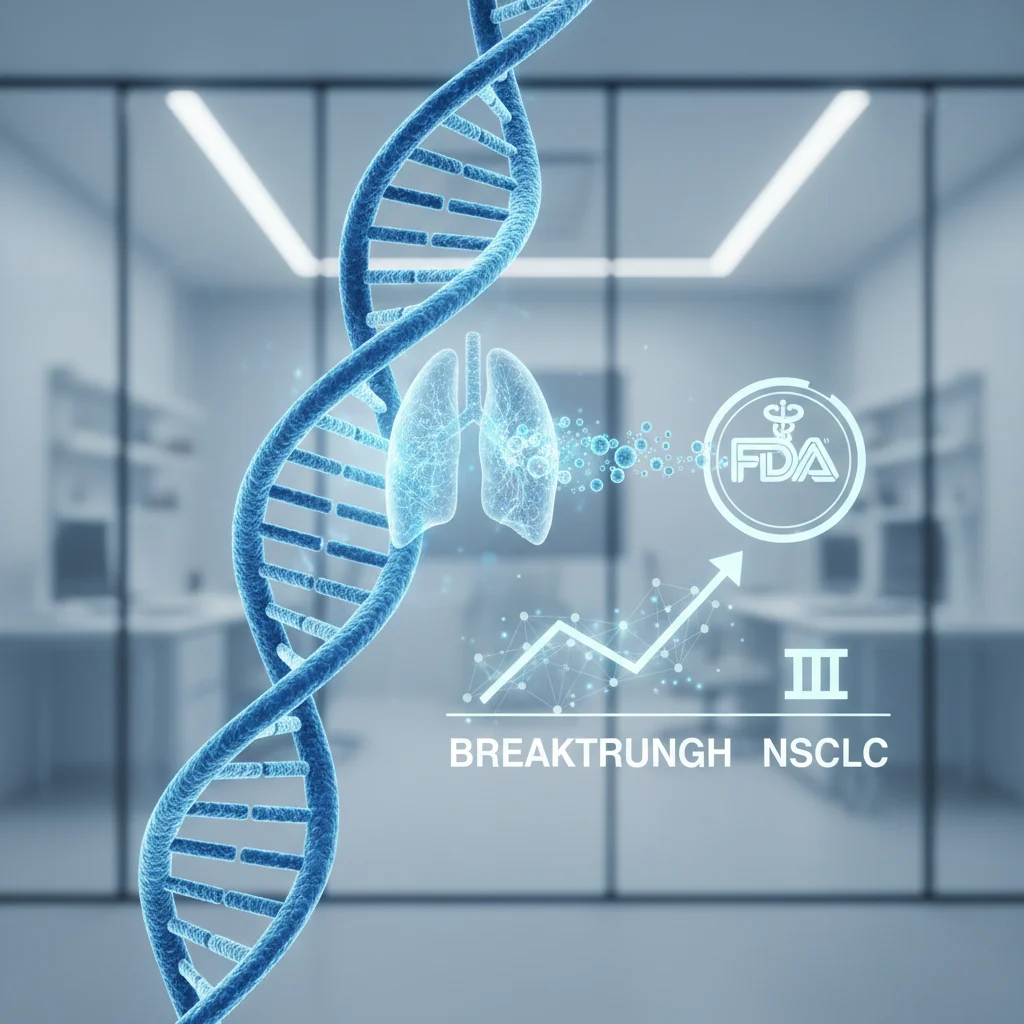
FDA Approves Imfinzi: Breakthrough for Stage III NSCLC Treatment
The FDA's approval of Imfinzi offers new hope for patients with Stage III non-small cell lung cancer (NSCLC), enhancing treatment possibilities.
Intelligence Snapshot
Executive Summary
The FDA's approval of Imfinzi offers new hope for patients with Stage III non-small cell lung cancer (NSCLC), enhancing treatment possibilities.
Market Impact
| Regulatory | medium |
|---|---|
| Commercial | medium |
| Competitive | low |
| Investment | low |
Loading intelligence…
Quick Answer
Key Questions
- What is the mechanism of action of durvalumab?
- What were the key findings from the PACIFIC trial?
- What are the common adverse events associated with durvalumab?
Executive Scorecard
Heuristic scores · directional, not investment adviceRegulatory catalyst tracker
Track PDUFA dates, approval milestones, and label updates for durvalumab.
Unlock full calendar →Investor brief
Download a one-page summary of regulatory impact and competitive context.
Explore drug hub →Contents10 sections
Medically Reviewed
by Dr. James Morrison, Chief Medical Officer (MD, FACP, FACC)
Reviewed on: April 08, 2026
The U.S. Food and Drug Administration (FDA) granted **FDA Imfinzi approval** to AstraZeneca's Imfinzi (durvalumab) for the treatment of patients with unresectable Stage III Non-Small Cell Lung Cancer (NSCLC) whose disease has not progressed following concurrent platinum-based chemoradiation therapy, marking a significant advancement in consolidative Immunotherapy for this patient population.
Drug Overview
Durvalumab (Imfinzi) is a human monoclonal antibody targeting PD-L1. It is indicated for patients with unresectable Stage III NSCLC whose disease has not progressed following platinum-based chemoradiation.
IntelligenceRegulatory Impact
FDA are the agencies to watch. Regulatory relevance reads medium for non-small cell lung cancer, with durvalumab most exposed to upcoming decisions. Teams should track submission types, designations, and guidance shifts that could move approval timelines.
Clinical Insights
The durvalumab approval was based on the Phase 3 PACIFIC trial (NCT02125461), which assessed progression-free survival and overall survival. The trial demonstrated improved progression-free survival and overall survival in patients receiving durvalumab after chemoradiation. Common adverse events include immune-related events such as pneumonitis, colitis, hepatitis, and endocrinopathies, consistent with the PD-L1 inhibitor class.
IntelligenceCompetitive Intelligence
Competitive pressure is low. Watch which sponsors move first. Benchmark pipeline positioning, differentiation, and partnership scouting against the signals in this story.
Regulatory Context
The durvalumab approval followed the submission of a Biologics License Application (BLA). The review process included priority review designation due to the unmet medical need in unresectable Stage III NSCLC. Post-marketing commitments typically include ongoing safety monitoring and additional studies to further characterize long-term outcomes.
IntelligenceMarket Signals
Commercial pull is medium and investment relevance low. Expect implications for non-small cell lung cancer pricing, access, and launch sequencing.
Market Impact
Durvalumab expands treatment options for approximately 30% of NSCLC patients diagnosed at Stage III who are unresectable. The approval shifted the standard of care from chemoradiation alone to consolidative immunotherapy. Competitive drugs include pembrolizumab and nivolumab, however, durvalumab has a distinct indication for unresectable Stage III NSCLC post-chemoradiation.
IntelligenceStrategic Takeaways
The FDA's approval of Imfinzi offers new hope for patients with Stage III non-small cell lung cancer (NSCLC), enhancing treatment possibilities.
Future Outlook
Future outlook for durvalumab may include upcoming label expansions and combination trials.
Frequently Asked Questions
What is the mechanism of action of durvalumab?
Durvalumab is a human monoclonal antibody targeting PD-L1, blocking its interaction with PD-1 and CD80 to restore T-cell mediated anti-tumor immune response.
What were the key findings from the PACIFIC trial?
The PACIFIC Phase 3 trial demonstrated improved progression-free survival and overall survival in patients receiving durvalumab after chemoradiation for unresectable Stage III NSCLC.
What are the common adverse events associated with durvalumab?
Common adverse events include immune-related events such as pneumonitis, colitis, hepatitis, and endocrinopathies, consistent with the PD-L1 inhibitor class.
References
References
- U.S. Food and Drug Administration. FDA approval. Accessed 2026-04-08.
IntelligenceEvidence Quality
Claims are grounded in the cited primary and secondary sources, with editorial review applied before publication.
Related profiles
Related coverage
Continue Exploring
Jump into the entities behind this story.
Ask AI About Non-Small Cell Lung Cancer
Grounded in NovaPharmaNews intelligence. Pick a prompt to start.
Follow durvalumab developments
FDA non-small cell lung cancer alerts and durvalumab pipeline updates, every Monday.
- Evidence strength
- 71/100
- Last verified
- Jun 19, 2026
- AI-assisted review
- Yes
- Editorial review
- Dr. Sarah Chen
Moderate source quality · grounded in cited primary and secondary sources.
This article follows our editorial standards. Report a correction via editorial contact.
About the Author

Continue Your Research


Industry Reports & Whitepapers
- La Negoziazione del Prezzo dei Farmaci Oncologici in Italia — This whitepaper analyzes the market benchmark role in negotiating oncology drug prices in Italy, hig…
- Cytological Specimens in the Molecular Era of Metastatic Melanoma — This whitepaper discusses the role of cytological specimens in diagnosing metastatic melanoma and th…