Akso Health Group Launches Brain-Computer Interface R&D Program Targeting Neurotechnology Market
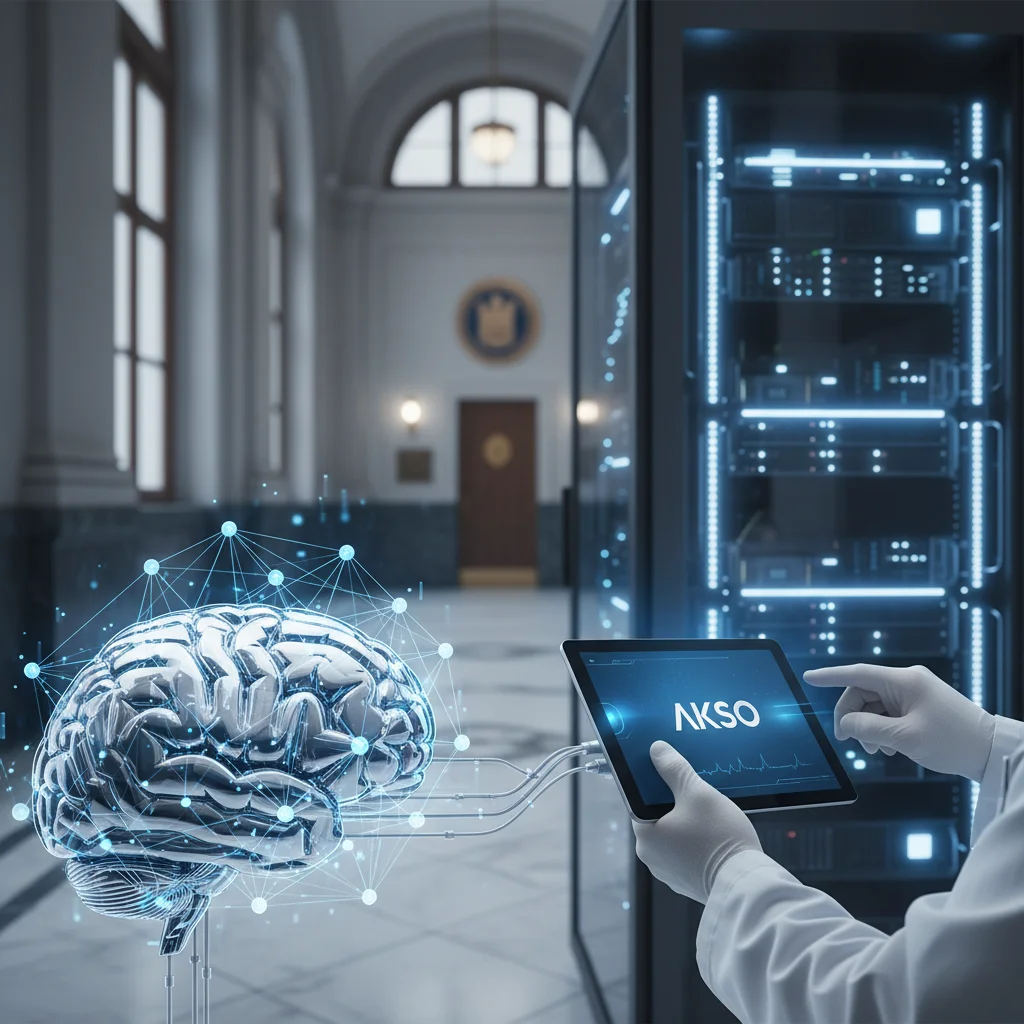
Akso Health Group (NASDAQ: AHG) announces entry into brain-computer interface development, establishing R&D infrastructure for next-generation neurotechnology solutions.

Key Takeaways
- Akso Health Group initiates proprietary brain-computer interface R&D program to enter the transformative neurotechnology market
- Company establishing foundational infrastructure for BCI technology development and commercialization targeting neurological applications
- Early-stage research faces significant technical and regulatory challenges with no specified timeline for commercial products
Akso Health Group (NASDAQ: AHG) announced April 27, 2026, the launch of its proprietary brain-computer interface (BCI) research and development program, marking the company’s entry into the rapidly evolving neurotechnology sector.
The Qingdao, China-based company is establishing foundational R&D infrastructure to develop and commercialize BCI technology, positioning itself in what it describes as “one of the most transformative and high-value technology frontiers of the 21st century.”
Market Entry Strategy
Akso Health’s move into brain-computer interfaces represents a significant strategic shift for the pharmaceutical company, entering a market currently dominated by established players including Neuralink, Synchron, and Blackrock Neurotech. The BCI market is projected to reach blockbuster potential as the technology matures and regulatory pathways become clearer.
Brain-computer interfaces work by capturing and interpreting neural signals, potentially enabling direct communication between the brain and external devices. This technology holds promise for treating various neurological conditions, including paralysis, depression, and neurodegenerative diseases.
Technical and Regulatory Challenges
The announcement comes with substantial challenges ahead. BCI technology requires navigating complex regulatory pathways, as most applications will likely fall under novel medical device classifications requiring extensive safety and efficacy data. The technology also faces significant technical hurdles in signal processing, biocompatibility, and long-term device stability.
Akso Health has not disclosed specific details about its technological approach, investment commitments, or development timeline. The company’s announcement appears to focus on establishing research capabilities rather than announcing specific product candidates or clinical programs.
Competitive Landscape
The brain-computer interface market has attracted significant investment and attention from both established medical device companies and venture-backed startups. Neuralink has garnered headlines with its human trials, while Synchron has achieved FDA breakthrough device designation for its minimally invasive BCI system.
Akso Health’s entry into this space suggests confidence in its ability to differentiate its approach, though the company has not specified what unique advantages its technology might offer compared to existing solutions.
Investment Implications
For investors, this announcement represents a long-term strategic bet on neurotechnology rather than a near-term revenue opportunity. The early-stage nature of the research, combined with the substantial capital requirements typical of BCI development, suggests this program will require significant investment before generating returns.
The company’s stock response to the announcement will likely depend on investor appetite for speculative neurotechnology plays and confidence in Akso Health’s ability to execute in this highly technical field.
Future Outlook
While brain-computer interfaces represent enormous potential for treating neurological conditions and enhancing human capabilities, the path to commercialization remains lengthy and uncertain. Success will depend on Akso Health’s ability to attract top scientific talent, secure adequate funding, and navigate the complex regulatory landscape.
The company’s progress in establishing its R&D infrastructure and any future announcements about specific research milestones or partnerships will be key indicators of the program’s viability and potential impact on the broader neurotechnology market.
Frequently Asked Questions
What medical conditions could Akso Health’s brain-computer interface technology treat?
While Akso Health hasn’t specified target conditions, BCI technology typically aims to treat paralysis, spinal cord injuries, depression, epilepsy, and neurodegenerative diseases like ALS and Parkinson’s disease by enabling direct brain-to-device communication.
When will Akso Health’s brain-computer interface products be available to patients?
No timeline has been provided. Given this is early-stage R&D, commercial products are likely years away, as BCI technology requires extensive development, preclinical testing, clinical trials, and regulatory approval before reaching patients.
How does Akso Health’s BCI program compare to competitors like Neuralink?
Akso Health hasn’t disclosed technical details about their approach. Established competitors like Neuralink, Synchron, and Blackrock Neurotech have years of development experience and some have reached human trials, giving them significant advantages over this new entrant.
About the Author
Related Articles
Edwards Lifesciences RESILIA Tissue Shows 10-Year Durability in COMMENCE Aortic Trial Results
Vector Science & Therapeutics Files Patent for Microneedle Catheter Platform for Cancer Drug Delivery

NAMSA and Lexitas Form Strategic Partnership for Comprehensive Ophthalmic Medical Device Development Services