
Drugs: vCLAS® Ventricular Ablation System
Adagio Medical's vCLAS Ventricular Ablation System Shows 84% Success Rate in Pivotal Trial for Heart Arrhythmia Treatment
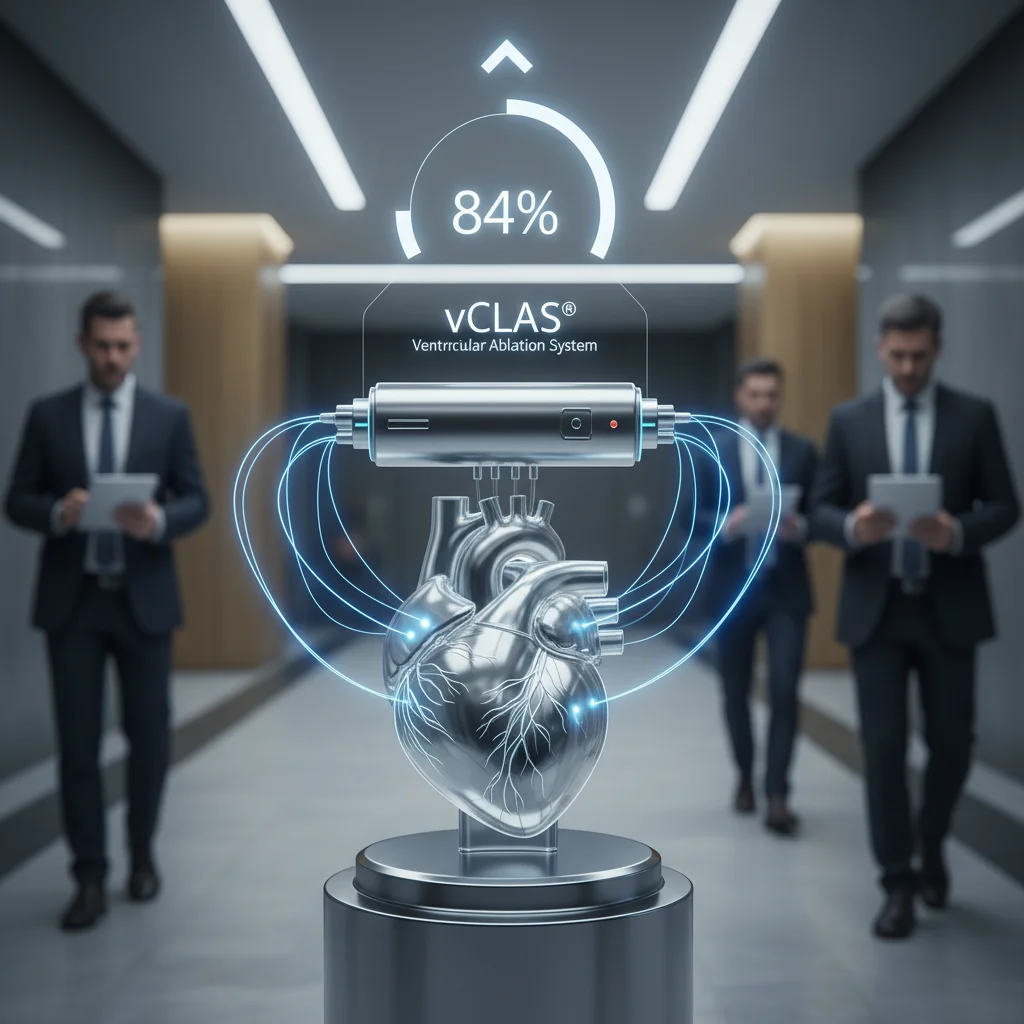
Adagio Medical's vCLAS system achieved 84% freedom from shock and 59% freedom from VT recurrence in FULCRUM-VT pivotal trial, meeting primary endpoints.
Intelligence Snapshot
Executive Summary
vCLAS system demonstrated 84% freedom from shock and 59% freedom from ventricular tachycardia recurrence in pivotal FULCRUM-VT trial
Key Insights
-
First ablation technology to show equivalent effectiveness across both ischemic and…
First ablation technology to show equivalent effectiveness across both ischemic and non-ischemic cardiomyopathy using endocardial approach only
-
Results replicate previous CryoCure-VT success and meet FDA safety and effectiveness…
Results replicate previous CryoCure-VT success and meet FDA safety and effectiveness endpoints for potential regulatory approval
Market Impact
| Regulatory | medium |
|---|---|
| Commercial | medium |
| Competitive | low |
| Investment | low |
Executive Scorecard
Heuristic scores · directional, not investment adviceRegulatory catalyst tracker
Track PDUFA dates, approval milestones, and label updates for vCLAS® Ventricular Ablation System.
Unlock full calendar →Contents8 sections
Key Takeaways
- vCLAS system demonstrated 84% freedom from shock and 59% freedom from ventricular tachycardia recurrence in pivotal FULCRUM-VT trial
- First ablation technology to show equivalent effectiveness across both ischemic and non-ischemic cardiomyopathy using endocardial approach only
- Results replicate previous CryoCure-VT success and meet FDA safety and effectiveness endpoints for potential regulatory approval
Adagio Medical announced breakthrough results from its FULCRUM-VT pivotal IDE trial, showing the vCLAS® Ventricular Ablation System achieved an 84% freedom from shock rate and 59% freedom from ventricular tachycardia (VT) recurrence, meeting both primary safety and effectiveness endpoints.
The results, announced April 26, 2026, represent a significant milestone for patients suffering from ventricular tachycardia, a potentially life-threatening heart rhythm disorder that affects hundreds of thousands of patients worldwide.
Revolutionary Cryoablation Technology
The vCLAS system utilizes advanced cryoablation technology that freezes abnormal heart tissue causing dangerous arrhythmias. Unlike traditional radiofrequency ablation methods, the system works entirely through an endocardial approach, meaning physicians can access the treatment area from inside the heart chambers without requiring more invasive surgical procedures.
“These results validate our belief that cryoablation can provide superior outcomes for VT patients,” the company stated in its announcement. The technology builds on lessons learned from the earlier CryoCure-VT study, demonstrating consistent effectiveness across different patient populations.
IntelligenceRegulatory Impact
FDA are the agencies to watch. Regulatory relevance reads medium for cardiology - ventricular tachycardia treatment, with vCLAS® Ventricular Ablation System most exposed to upcoming decisions. Teams should track submission types, designations, and guidance shifts that could move approval timelines.
Breakthrough in Cardiomyopathy Treatment
Perhaps most significantly, the vCLAS system showed equivalent effectiveness in treating both ischemic cardiomyopathy (caused by blocked coronary arteries) and non-ischemic cardiomyopathy (caused by other factors). This represents the first ablation technology to demonstrate such broad effectiveness across cardiomyopathy types using only an endocardial approach.
Traditionally, patients with different types of cardiomyopathy have required different treatment strategies, often with varying success rates. The ability to treat both conditions equally well with a single approach could significantly simplify treatment protocols and improve patient outcomes.
IntelligenceCompetitive Intelligence
Competitive pressure is low. Watch which sponsors move first. Benchmark pipeline positioning, differentiation, and partnership scouting against the signals in this story.
Market Impact and Regulatory Pathway
The positive pivotal trial results position Adagio Medical for potential FDA approval through the Investigational Device Exemption (IDE) pathway. Meeting both safety and effectiveness endpoints in a pivotal trial typically represents the final major hurdle before regulatory submission.
The ventricular tachycardia treatment market has been dominated by radiofrequency ablation systems and implantable cardioverter defibrillators (ICDs). However, these treatments often have limitations in terms of effectiveness and patient quality of life. The vCLAS system’s superior success rates could capture significant market share if approved.
IntelligenceMarket Signals
Commercial pull is medium and investment relevance low. Expect implications for cardiology - ventricular tachycardia treatment pricing, access, and launch sequencing.
Clinical Significance
Ventricular tachycardia causes rapid, potentially fatal heart rhythms that can lead to sudden cardiac death. Current treatments include medications, ICDs that deliver electrical shocks, and ablation procedures that destroy problematic heart tissue. However, many patients continue to experience breakthrough episodes despite treatment.
The 84% freedom from shock rate is particularly meaningful because it indicates patients experienced significantly fewer life-threatening episodes requiring emergency electrical cardioversion. The 59% freedom from VT recurrence demonstrates the treatment’s ability to prevent the underlying arrhythmia from returning.
IntelligenceStrategic Takeaways
vCLAS system demonstrated 84% freedom from shock and 59% freedom from ventricular tachycardia recurrence in pivotal FULCRUM-VT trial First ablation technology to show equivalent effectiveness across both ischemic and non-ischemic cardiomyopathy using endocardial approach only Results replicate previous CryoCure-VT success and meet FDA safety and effectiveness endpoints for potential regulatory approval
Next Steps
With pivotal trial success achieved, Adagio Medical is expected to prepare its FDA submission package. The regulatory review process typically takes 6-12 months for medical devices with strong clinical data. If approved, the vCLAS system could become available to patients within the next 12-18 months.
The company will likely present detailed trial data at upcoming cardiology conferences, providing the medical community with comprehensive information about patient selection criteria, procedural techniques, and long-term outcomes.
Frequently Asked Questions
What does this mean for patients with ventricular tachycardia?
Patients may soon have access to a more effective treatment option that provides 84% freedom from dangerous electrical shocks and 59% freedom from VT recurrence, potentially offering better quality of life and reduced risk of sudden cardiac death compared to existing treatments.
When will the vCLAS system be available to patients?
Following FDA submission based on these pivotal trial results, the vCLAS system could potentially be available within 12-18 months, pending regulatory approval through the standard medical device review process.
How does vCLAS compare to existing ventricular tachycardia treatments?
vCLAS is the first ablation technology to show equivalent effectiveness across both ischemic and non-ischemic cardiomyopathy using only an endocardial approach, potentially offering superior outcomes compared to traditional radiofrequency ablation and reducing the need for more invasive surgical procedures.
Related coverage
Ask AI About Cardiology - Ventricular Tachycardia Treatment
Grounded in NovaPharmaNews intelligence. Pick a prompt to start.
Follow vCLAS® Ventricular Ablation System developments
FDA cardiology - ventricular tachycardia treatment alerts and vCLAS® Ventricular Ablation System pipeline updates, every Monday.
- Evidence strength
- 79/100
- Last verified
- Jun 15, 2026
- AI-assisted review
- Yes
- Editorial review
- Dr. Sarah Chen
High source quality · grounded in cited primary and secondary sources.
This article follows our editorial standards. Report a correction via editorial contact.
About the Author

Continue Your Research
Abbott TactiFlex Duo Ablation Catheter Shows Positive Results for Complex AFib Treatment at Heart Rhythm Society 2026

Medtronic Affera Sphere-9 Catheter Receives FDA Breakthrough Device Designation for Ventricular Tachycardia Treatment

InspireMD Receives FDA Approval for SwitchGuard Neuro Protection System CGUARDIANS III Pivotal Trial