Are AI Co-Scientist Tools Useful for Scientists?
This article examines the effectiveness of AI co-scientist tools in scientific research and their implications for the pharmaceutical industry.
Contents7 sections
Are AI Co-Scientist Tools Useful for Scientists?
This article? It's all about AI co-scientist tools. We're diving into their effectiveness in scientific research, and what that means for pharma. Excitement and skepticism are swirling. The question: Can AI really boost—or even replace—traditional science? Pharma companies are in a race to find out. The stakes? Huge.
What Are AI Co-Scientist Tools?
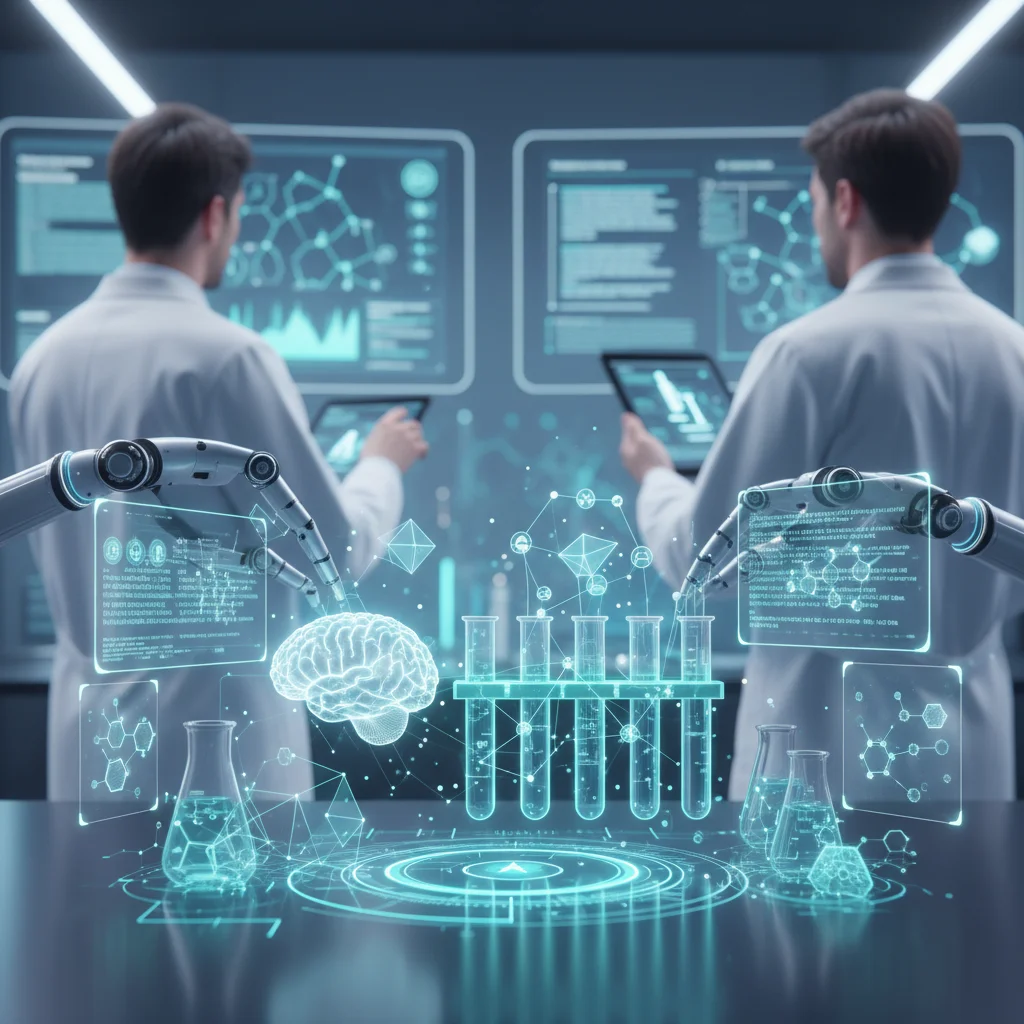
AI co-scientist tools are complex software platforms. They're designed to help scientists at every stage of R&D. Think of them as super-smart assistants. Machine learning, natural language processing, and other AI tricks are used to speed up discovery. The goal? To make workflows smoother, crunch big datasets, and come up with new ideas.
How Are Scientists Using AI Co-Scientist Tools?
Scientists are finding all sorts of uses for AI. Drug discovery is a big one. AI algorithms can screen huge libraries of compounds to find potential drugs. In genomics, AI helps analyze massive datasets to find disease-related genes. AI is even predicting protein structures—a tough problem—and making clinical trials better. Recursion Pharma, for example, uses AI to map complex biological systems and find possible drug targets. That's a competitive edge—if it pans out.
What Are the Benefits of Using AI Co-Scientist Tools?
The benefits could be major. Efficiency is a major plus. AI can handle repetitive tasks, freeing up scientists for more creative work. Data analysis? Faster and more complete. AI algorithms can spot patterns and insights that humans might miss. Innovation is another big one. AI can generate new ideas and suggest fresh research directions, potentially leading to breakthroughs. That matters.
What Challenges Do Scientists Face with AI Tools?
Despite the hype, there are hurdles. Data quality is critical. AI models are only as good as the data they're trained on. Biased or incomplete data? That can lead to wrong results. Interpretability is another issue. Some AI algorithms are "black boxes." It's hard to know how they reach their conclusions. This lack of transparency can hurt trust and adoption. Then there's the need for specialized expertise. Scientists need training to use and understand AI tools effectively.
What Does the Future Hold for AI in Pharma?
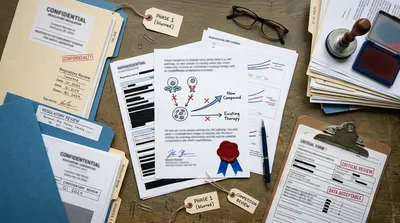
The future looks bright—and AI-driven. Expect to see more advanced AI co-scientist tools. These tools will likely be part of every step of drug development. Personalized medicine is ripe for disruption. AI can analyze individual patient data to tailor treatments and improve results. AI-driven drug discovery could dramatically cut the time and cost of bringing new therapies to market. The FDA, meanwhile, is figuring out how to regulate these technologies. It's a moving target, for sure.
Key Takeaways for Pharma Teams
So, what's next? For business development teams, it means evaluating and investing in promising AI co-scientist technologies. For investors, it's assessing the potential of AI-driven drug discovery companies. Analysts need to monitor the regulatory landscape and how quickly pharma adopts AI tools. The integration of AI into scientific workflows? That's not just a trend—it's a fundamental shift. Pharma teams need to adapt to stay competitive. The time to act? Now.
Stay Updated on Pharma News
Get the latest drug approvals, clinical trials, and regulatory updates delivered to your inbox.
Sources & references 1 primary sources
Sources verified at publication. See our editorial policy and data sources.
This article follows our editorial standards. Report a correction via editorial contact.