
European Biotechs Innovate in Cell and Gene Therapy Manufacturing
European biotechs are at the forefront of developing next-generation manufacturing technologies for cell and gene therapies. This article explores the latest advancements and their implications for the pharmaceutical landscape.
Contents7 sections
European Biotechs Innovate in Cell and Gene Therapy Manufacturing
European biotechs are leading the charge. They're developing next-generation manufacturing technologies for cell and gene therapies. This article explores the latest advancements. And it considers their implications for the pharmaceutical landscape. These innovations promise to slash costs, accelerate production, and ultimately reshape the competitive dynamics of this burgeoning field. The impact? It could be seismic.
What are the Key Developments in Cell and Gene Therapy Manufacturing?
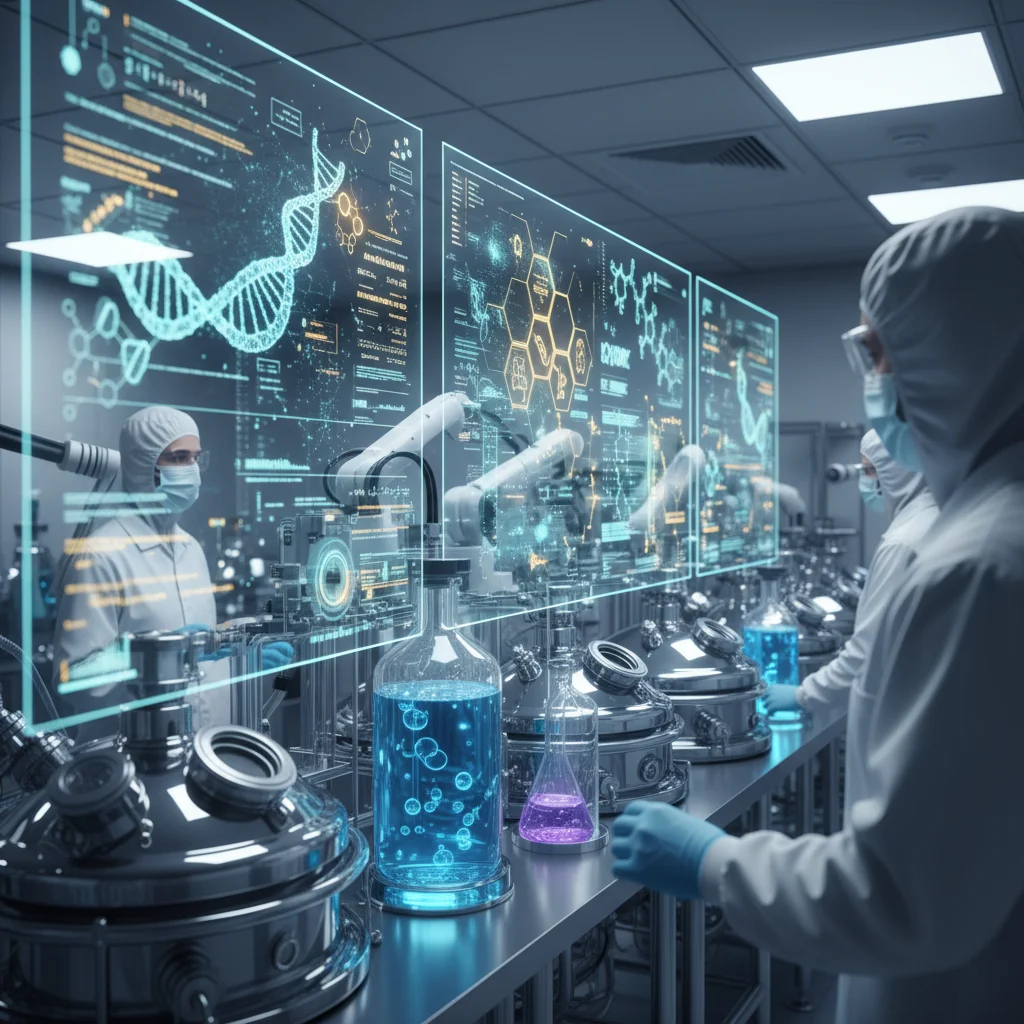
The race is on. It's a race to optimize cell and gene therapy manufacturing. Several European biotechs are leading the charge with groundbreaking technologies. These innovations address critical bottlenecks in the production process. The aim? Scalability and affordability. Think automation, closed systems, and advanced bioreactors.
For example, companies are developing platforms that reduce manual handling. This minimizes contamination risk and boosts throughput. Others are focusing on viral vector production—a key component in many gene therapies. Improved vector yields translate directly into lower costs per dose. That's the goal, anyway. Will they get there?
One particularly promising area is the development of allogeneic cell therapies. These “off-the-shelf” therapies eliminate the need for patient-specific manufacturing. This dramatically simplifies logistics and reduces waiting times. The holy grail of personalized medicine? Perhaps not. But it's a big step.
What Clinical Trials Are Underway?
The proof, as always, is in the pudding. Several clinical trials are now underway. They're testing the efficacy of these new manufacturing technologies. These trials aren't just evaluating the therapeutic potential of the therapies themselves. They're also scrutinizing the impact of manufacturing innovations on safety, efficacy, and cost-effectiveness.
Specifically, some trials are assessing the use of novel bioreactors for cell expansion. Others are investigating the impact of closed, automated systems on product quality. These studies are crucial for validating the benefits of these advanced manufacturing approaches. Early results are promising. But long-term data is needed, of course.
A key focus: demonstrating comparability between therapies produced using traditional methods and those manufactured with new technologies. Regulators will demand strong evidence of equivalence before approving these next-generation processes. They won't just take anyone's word for it.
How Will This Impact the Pharmaceutical Industry?
The impact could be substantial. Successful implementation of these new manufacturing technologies will shift the competitive landscape. Companies that can produce cell and gene therapies more efficiently will gain a significant advantage. Expect price wars, strategic partnerships, and a flurry of M&A activity. On the M&A front: Big Pharma is watching closely.
Lower manufacturing costs will also expand patient access to these potentially life-saving therapies. Currently, the high price tag of cell and gene therapies limits their availability. Widespread adoption of these innovations could democratize access, benefiting patients worldwide. That matters because it's about getting therapies to those who need them.
But it's not just about cost. Improved manufacturing processes can also enhance product quality and consistency. This reduces the risk of adverse events and improves therapeutic outcomes. A win-win scenario, in theory.
What Should Investors Watch For?
Investors should keep a close eye on several key milestones. Clinical trial results are paramount, of course. But manufacturing advancements are also a crucial indicator of future success. Ignore them at your peril.
Pay attention to companies that secure regulatory approvals for their new manufacturing processes. This validates their technology and opens the door to commercialization. Securing key patents related to manufacturing technologies is another positive sign. It's all about protecting that IP.
Also monitor strategic partnerships between biotech companies and contract manufacturing organizations (CMOs). These collaborations can accelerate the adoption of new technologies and expand manufacturing capacity. It's a complex dance, but the rewards are potentially huge.
What Are the Next Steps for Biotech Companies?
For biotech companies, the next steps are clear. Continue to invest in research and development to further optimize manufacturing processes. Secure partnerships with leading CMOs to scale up production. And engage with regulatory agencies to ensure compliance and facilitate approval. No cutting corners.
Companies should also explore opportunities to integrate artificial intelligence and machine learning into their manufacturing operations. These technologies can optimize process parameters, predict product quality, and automate decision-making. The future is now, or so they say. But is anyone truly ready?
Ultimately, success in this space will depend on a combination of scientific innovation, manufacturing expertise, and strategic partnerships. The race is on, and the stakes are high. The next few years will be pivotal in shaping the future of cell and gene therapy manufacturing. Buckle up.
Related coverage
Track gene therapy news weekly
EMA gene therapy news and regulatory updates, every Monday.
Sources & references 1 primary sources
Sources verified at publication. See our editorial policy and data sources.
This article follows our editorial standards. Report a correction via editorial contact.
Continue Your Research


Industry Reports & Whitepapers
- FDA CBER Patient Listening Meeting on Gene Therapy Safety: Patient and Care Partner Perspectives — Patient and care partner perspectives inform FDA’s thinking on approved gene therapy safety and long…