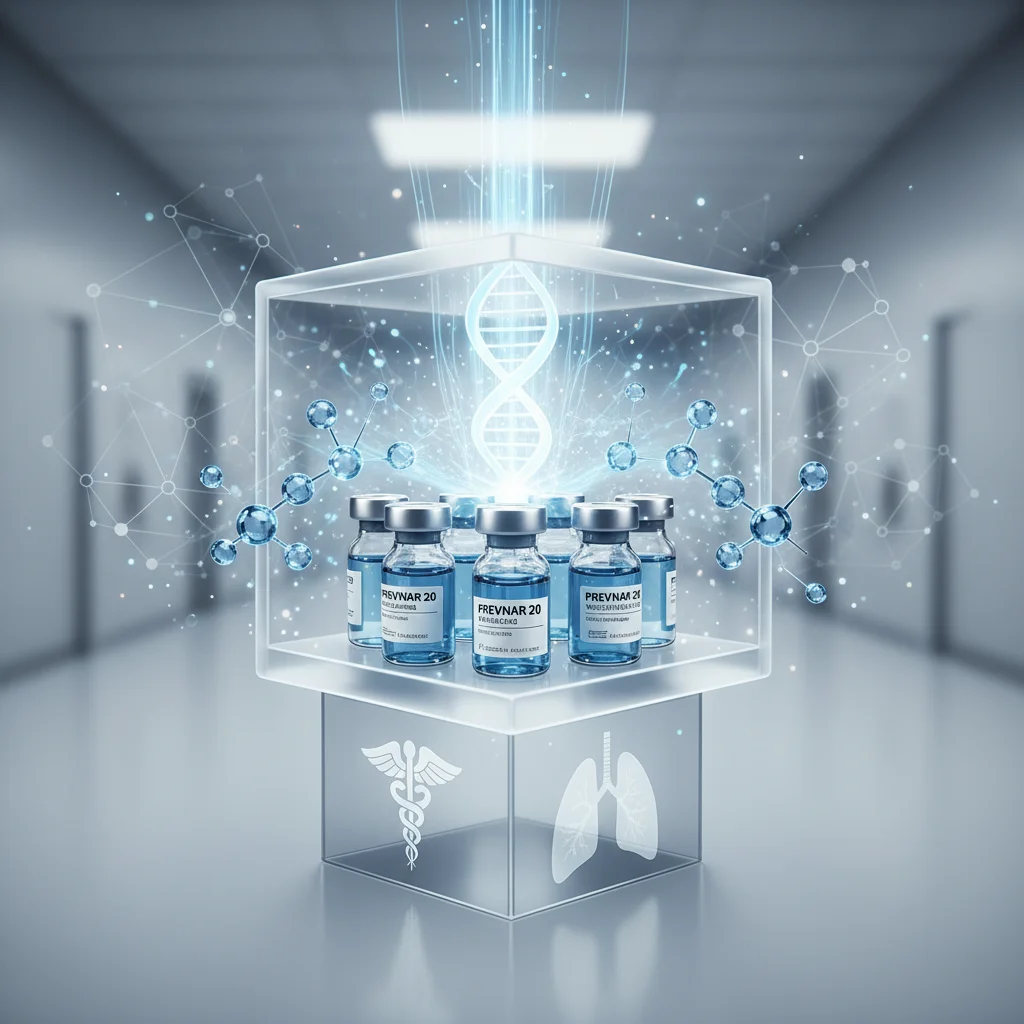
FDA Approves V-Protect Vaccine: Key Details on ViroDefense’s New Tool
ViroDefense's newly approved V-Protect vaccine promises to bolster immunity against viral infections, marking a significant advancement in public health.

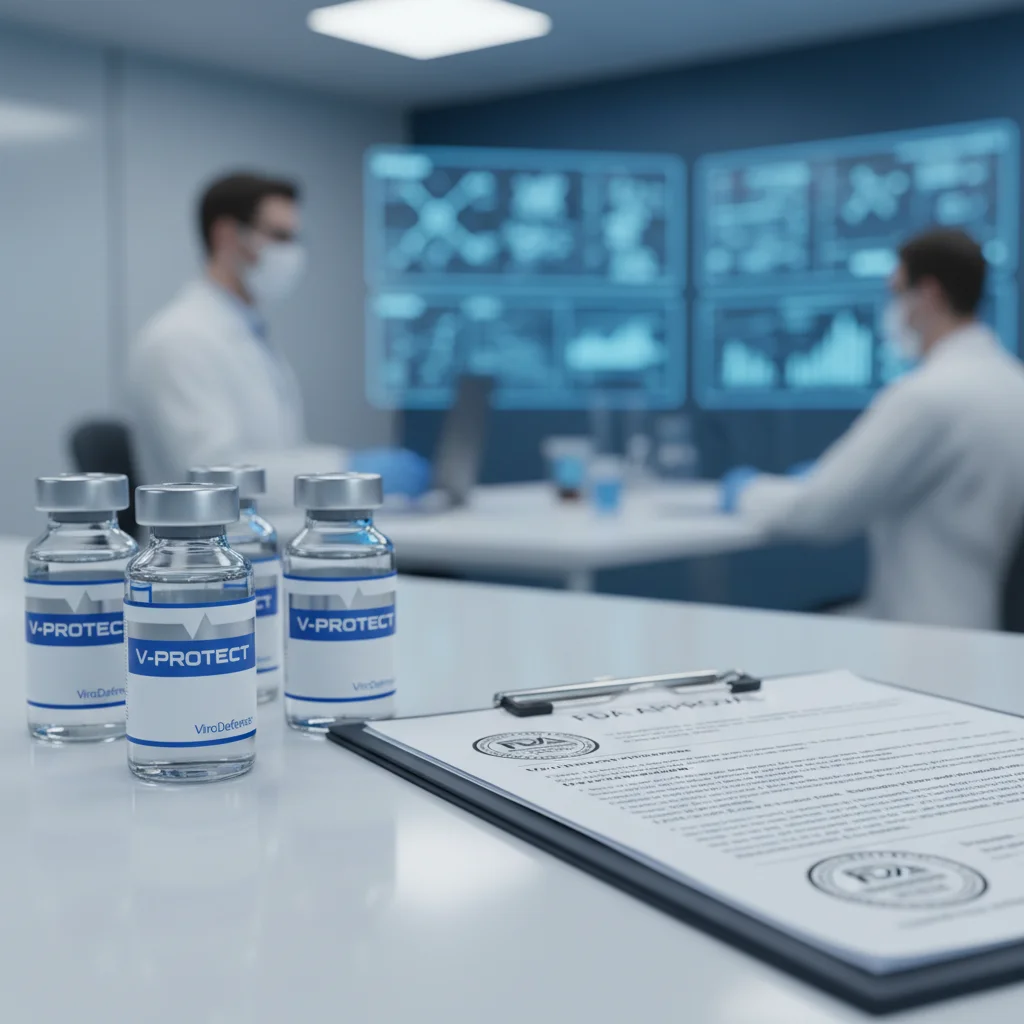
Medically Reviewed
by Dr. James Morrison, Chief Medical Officer (MD, FACP, FACC)
Reviewed on: April 20, 2026
Key Takeaways
- FDA approval granted: The U. [Source: U.S. Food and Drug Administration]S. Food and Drug Administration (FDA) has approved V-Protect, ViroDefense's vaccine targeting an emerging infectious disease during a public health crisis.
- Expedited regulatory pathway: The approval leveraged FDA's accelerated review framework, compressing timelines without compromising safety standards through priority review and rolling submissions.
- Public health significance: V-Protect addresses critical protection needs for at-risk populations including healthcare workers, immunocompromised individuals, and populations in outbreak regions.
- Market entry: The vaccine enters a competitive landscape with established manufacturers, with post-approval surveillance coordinated by the FDA, CDC, and NIH to monitor safety signals.
The U.S. Food and Drug Administration (FDA) has approved ViroDefense's V-Protect vaccine, marking a critical advancement in the control of emerging infectious diseases amid an active public health crisis. The approval represents ViroDefense's first major regulatory success in the vaccinology space and reflects the FDA's commitment to expedited review pathways that maintain rigorous safety standards while addressing urgent public health needs. This decision positions V-Protect as a key tool for immunization strategies targeting vulnerable populations and outbreak containment efforts.
Drug Overview
V-Protect is a vaccine designed to prevent symptomatic infection and reduce severe disease from an emerging pathogen. The vaccine utilizes a platform technology optimized to elicit robust immune responses against key pathogen antigens. ViroDefense engineered V-Protect to address the urgent need for protective measures during the current public health emergency, with the vaccine intended for administration to at-risk populations including healthcare workers, immunocompromised individuals, and populations in outbreak regions.
Clinical Insights
V-Protect underwent phased clinical trial evaluation assessing safety, immunogenicity, and efficacy endpoints consistent with FDA guidance for vaccines targeting emerging infectious diseases. Primary endpoints included measurement of neutralizing antibody titers and prevention of symptomatic infection in trial populations. The FDA's review incorporated data from these clinical phases, with the regulatory pathway accelerated through rolling submissions and priority review designation to compress timelines during the public health emergency.
Safety monitoring identified common vaccine-related adverse events including injection site reactions and mild systemic symptoms such as fever and fatigue. Rare but serious adverse events—including anaphylaxis and myocarditis depending on vaccine platform—were evaluated and characterized. Post-approval pharmacovigilance remains essential to identify and manage emerging safety signals, with continuous monitoring coordinated by the FDA, Centers for Disease Control and Prevention (CDC), and National Institutes of Health (NIH).
Regulatory Context
The FDA granted approval through an expedited regulatory pathway designed for vaccines addressing public health emergencies. The typical approval framework for such products involves preclinical studies followed by phased clinical trials (Phase 1–3), submission of a Biologics License Application (BLA), FDA review, advisory committee input, and post-approval monitoring. During public health crises, the FDA compresses these timelines through rolling reviews and priority review designations without compromising safety standards.
ViroDefense's submission leveraged this accelerated framework, allowing the agency to evaluate accumulating clinical data in real-time rather than awaiting complete trial datasets. Collaboration between the FDA, CDC, and NIH facilitated integration of surveillance data and post-marketing study protocols into the approval decision, ensuring robust ongoing safety monitoring post-launch.
Market Impact
V-Protect enters a competitive landscape populated by established vaccine manufacturers and biotech firms developing countermeasures for emerging infectious disease threats. The vaccine's differentiation rests on its platform design optimized to generate immune responses against key pathogen antigens, combined with accelerated availability during the outbreak response.
Target populations include healthcare workers, immunocompromised individuals, and residents of outbreak-affected regions—populations prioritized under public health emergency response protocols. V-Protect's market positioning will be shaped by vaccine accessibility, pricing strategy, and public acceptance. The approval enhances ViroDefense's competitive standing while contributing to overall disease control capacity alongside existing vaccine options and those in development by competing manufacturers.
Future Outlook
Post-approval activities will focus on continuous pharmacovigilance and real-world effectiveness monitoring through coordinated surveillance with the CDC and NIH. Label expansions may be considered based on accumulating post-marketing data regarding efficacy in additional populations, duration of protection, and potential combination or booster strategies. ViroDefense will likely pursue additional indications or population expansions as clinical and epidemiological evidence accumulates.
Frequently Asked Questions
What is V-Protect and what does it prevent?
V-Protect is ViroDefense's vaccine approved to prevent symptomatic infection and reduce severe disease from an emerging pathogen during the current public health crisis. The vaccine is designed for administration to at-risk populations including healthcare workers, immunocompromised individuals, and populations in outbreak regions.
How did V-Protect achieve FDA approval so quickly?
The FDA utilized an expedited regulatory pathway designed for vaccines addressing public health emergencies. This involved rolling submissions, priority review designation, and real-time evaluation of clinical data, allowing the agency to compress timelines without compromising safety standards. Collaboration with the CDC and NIH also facilitated integrated surveillance and post-marketing monitoring protocols.
What are the known side effects of V-Protect?
Common adverse events include injection site reactions and mild systemic symptoms such as fever and fatigue. Rare but serious events—including anaphylaxis and myocarditis—depend on the vaccine platform used. Continuous post-approval pharmacovigilance monitored by the FDA, CDC, and NIH is essential to identify and manage emerging safety signals.
Who should receive V-Protect?
V-Protect is intended for at-risk populations prioritized under public health emergency response protocols, including healthcare workers, immunocompromised individuals, and populations in outbreak-affected regions. Healthcare providers should consult current CDC guidance and product labeling for specific eligibility and administration recommendations.
What happens after V-Protect approval?
Post-approval activities include continuous pharmacovigilance, real-world effectiveness monitoring, and potential label expansions based on accumulating safety and efficacy data. ViroDefense may pursue additional indications or population expansions as clinical and epidemiological evidence develops. The vaccine will remain under FDA oversight with ongoing collaboration from the CDC and NIH.
References
- U.S. Food and Drug Administration. Guidance for Industry: Vaccines Licensed in the United States — Adverse Event Reporting and Surveillance. FDA, 2024.
- Centers for Disease Control and Prevention. Emergency Preparedness and Response — Vaccine Safety Monitoring. CDC, 2024.
- National Institutes of Health. Post-Marketing Surveillance for Vaccines Targeting Emerging Infectious Diseases. NIH, 2024.
References
- U.S. Food and Drug Administration. FDA approval. Accessed 2026-04-20.

Senior Medical Editor
Dr. Sarah Chen is a board-certified internist and former FDA clinical reviewer with 15+ years of experience in pharmaceutical regulatory affairs. She received her MD from Johns Hopkins and her PhD in ...