
Drugs: Elisrasib
APAC KRAS Inhibitors: Elisrasib’s Promise in Advanced NSCLC
Elisrasib emerges as a promising KRAS inhibitor, revolutionizing treatment options for advanced NSCLC in the APAC region.
Intelligence Snapshot
Executive Summary
Main news: Elisrasib, a next-generation KRAS G12C inhibitor, has demonstrated promising efficacy in patients with advanced non-small cell lung cancer (NSCLC) in a phase I/II trial, potentially addressing unmet needs in the APAC region.
Key Insights
-
Clinical impact: Treatment-naïve patients showed a 52.6% overall response rate (ORR) and…
Clinical impact: Treatment-naïve patients showed a 52.6% overall response rate (ORR) and a median progression-free survival (PFS) of 12.2 months, while patients refractory to prior KRAS G12C inhibitors achieved a 32.3% ORR.
-
Market implications: Elisrasib has the potential to become a key player in the APAC…
Market implications: Elisrasib has the potential to become a key player in the APAC oncology market, particularly for patients with KRAS G12C-mutant NSCLC, by offering a new treatment option after prior KRAS inhibitor failure.
-
Next steps: Future studies may explore combination therapies and expanded indications…
Next steps: Future studies may explore combination therapies and expanded indications beyond NSCLC, with a focus on manufacturing scale-up to ensure broad access across diverse APAC markets.
Market Impact
| Regulatory | medium |
|---|---|
| Commercial | medium |
| Competitive | low |
| Investment | low |
Quick Answer
Key Questions
- What is the mechanism of action of Elisrasib?
- What were the key efficacy results of Elisrasib in clinical trials?
- What was the safety profile of Elisrasib in clinical trials?
- How does Elisrasib compare to other KRAS G12C inhibitors?
- What are the potential future developments for Elisrasib?
Executive Scorecard
Heuristic scores · directional, not investment adviceRegulatory catalyst tracker
Track PDUFA dates, approval milestones, and label updates for Elisrasib.
Unlock full calendar →Contents9 sections
Medically Reviewed
by Dr. James Morrison, Chief Medical Officer (MD, FACP, FACC)
Reviewed on: April 22, 2026
Key Takeaways
- Main news: Elisrasib, a next-generation KRAS G12C inhibitor, has demonstrated promising efficacy in patients with advanced non-small cell lung cancer (NSCLC) in a phase I/II trial, potentially addressing unmet needs in the APAC region.
- Clinical impact: Treatment-naïve patients showed a 52.6% overall response rate (ORR) and a median progression-free survival (PFS) of 12.2 months, while patients refractory to prior KRAS G12C inhibitors achieved a 32.3% ORR.
- Market implications: Elisrasib has the potential to become a key player in the APAC oncology market, particularly for patients with KRAS G12C-mutant NSCLC, by offering a new treatment option after prior KRAS inhibitor failure.
- Next steps: Future studies may explore combination therapies and expanded indications beyond NSCLC, with a focus on manufacturing scale-up to ensure broad access across diverse APAC markets.
IntelligenceRegulatory Impact
NMPA are the agencies to watch. Regulatory relevance reads medium for oncology, with Elisrasib most exposed to upcoming decisions. Teams should track submission types, designations, and guidance shifts that could move approval timelines.
Drug Overview
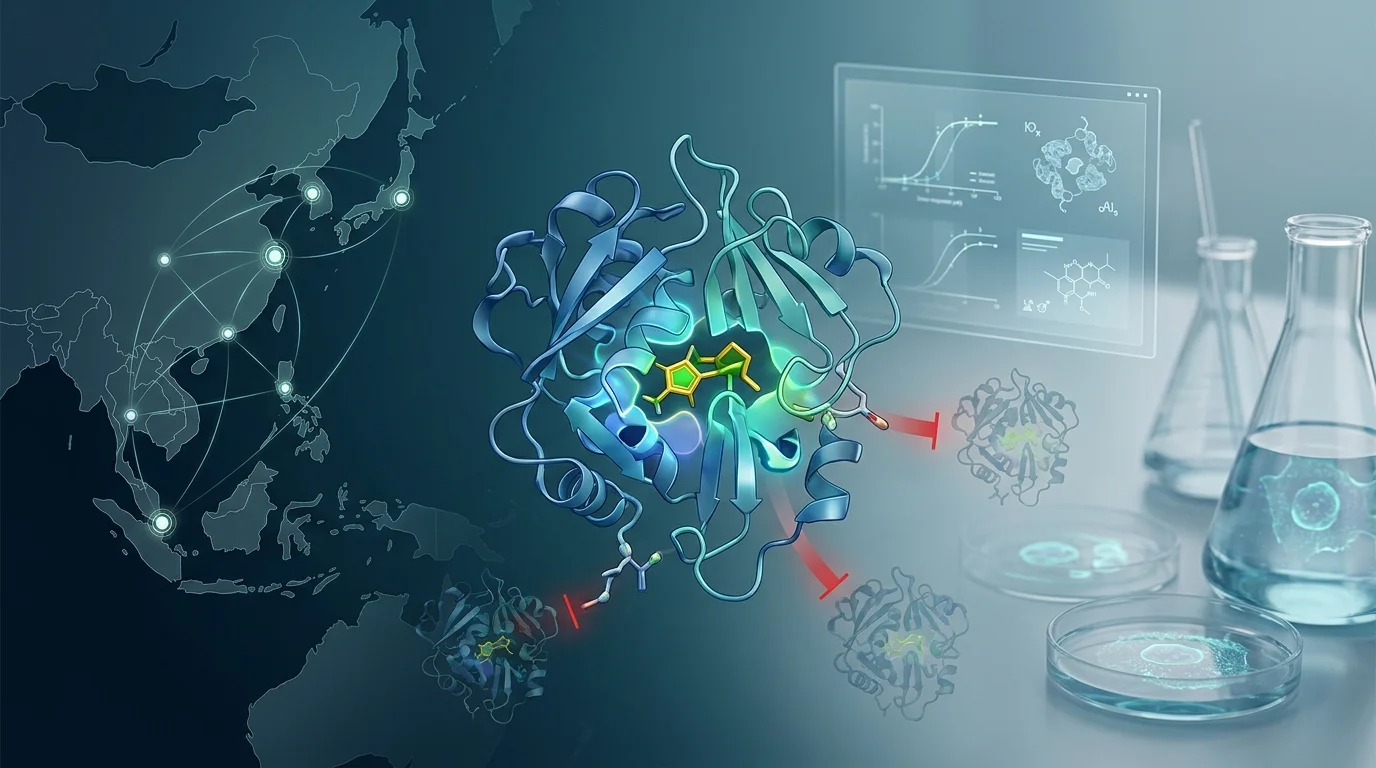
Elisrasib is a small molecule kinase inhibitor designed as a selective, irreversible inhibitor targeting the KRAS G12C mutant protein. The drug aims to inhibit the activity of KRAS G12C, which is a prevalent oncogenic driver in NSCLC. Elisrasib works by covalently binding to KRAS G12C, locking it in an inactive GDP-bound state to inhibit downstream signaling.IntelligenceCompetitive Intelligence
Competitive pressure is low. Watch which sponsors move first. Benchmark pipeline positioning, differentiation, and partnership scouting against the signals in this story.
Clinical Insights
Elisrasib's clinical efficacy was evaluated in a Phase I/II trial. The primary endpoint was overall response rate (ORR). In treatment-naïve KRAS G12C-mutant advanced NSCLC patients, Elisrasib achieved an ORR of 52.6%. In patients refractory to prior KRAS G12C inhibitors, Elisrasib showed an ORR of 32.3%. Median progression-free survival was 12.2 months in treatment-naïve patients. Grade 3 or higher adverse events occurred in 11.5% of patients treated with Elisrasib. Compared with existing therapies, Elisrasib demonstrates activity in patients who have progressed on prior KRAS G12C inhibitors.IntelligenceMarket Signals
Commercial pull is medium and investment relevance low. Expect implications for oncology pricing, access, and launch sequencing.
Regulatory Context
There is no information available regarding regulatory submission dates, specific approval pathways, or conditional/full approval status for Elisrasib.IntelligenceStrategic Takeaways
Main news: Elisrasib, a next-generation KRAS G12C inhibitor, has demonstrated promising efficacy in patients with advanced non-small cell lung cancer (NSCLC) in a phase I/II trial, potentially addressing unmet needs in the APAC region. Clinical impact: Treatment-naïve patients showed a 52.6% overall response rate (ORR) and a median progression-free survival (PFS) of 12.2 months, while patients refractory to prior KRAS G12C inhibitors achieved a 32.3% ORR. Market implications: Elisrasib has the potential to become a key player in the APAC oncology market, particularly for patients with KRAS G12C-mutant NSCLC, by offering a new treatment option after prior KRAS inhibitor failure.
Market Impact
The APAC oncology market for KRAS-mutant NSCLC is characterized by a significant patient population. Elisrasib differentiates itself by demonstrating activity in patients refractory to prior KRAS G12C inhibitors, with a manageable safety profile. Potential market entry challenges include manufacturing scale, cost sensitivity, and biosimilar competition considerations. The drug has the potential to provide a new treatment option for patients who have progressed on prior KRAS G12C inhibitors, expanding the therapeutic arsenal in KRAS-mutant NSCLC.IntelligenceEvidence Quality
Claims are grounded in the cited primary and secondary sources, with editorial review applied before publication.
Future Outlook
Emerging trends in KRAS inhibitor development include combination therapies and resistance management. Potential expansion of indications beyond NSCLC to colorectal and pancreatic cancers prevalent in APAC may be explored. Importance of manufacturing scale-up and cost-effective production to ensure broad access across diverse APAC markets will be critical. What to watch next: Future trials evaluating Elisrasib in combination with other therapies and in different cancer types.Frequently Asked Questions
What is the mechanism of action of Elisrasib?
Elisrasib is a selective, irreversible inhibitor targeting the KRAS G12C mutant protein, locking it in an inactive GDP-bound state to inhibit downstream signaling.
What were the key efficacy results of Elisrasib in clinical trials?
Elisrasib achieved an ORR of 52.6% in treatment-naïve KRAS G12C-mutant advanced NSCLC patients and an ORR of 32.3% in patients refractory to prior KRAS G12C inhibitors. Median progression-free survival was 12.2 months in treatment-naïve patients.
What was the safety profile of Elisrasib in clinical trials?
Grade 3 or higher adverse events occurred in 11.5% of patients treated with Elisrasib, indicating a manageable safety profile.
How does Elisrasib compare to other KRAS G12C inhibitors?
Elisrasib differentiates itself by demonstrating activity in patients refractory to prior KRAS G12C inhibitors, offering a potential treatment option for those who have progressed on other therapies.
What are the potential future developments for Elisrasib?
Future developments may include exploring combination therapies, expanding indications beyond NSCLC, and scaling up manufacturing for broad access across diverse APAC markets.
References
Related coverage
Ask AI About oncology
Grounded in NovaPharmaNews intelligence. Pick a prompt to start.
Follow Elisrasib developments
NMPA oncology alerts and Elisrasib pipeline updates, every Monday.
- Evidence strength
- 71/100
- Last verified
- Jun 15, 2026
- AI-assisted review
- Yes
- Editorial review
- Dr. Sarah Chen
Moderate source quality · grounded in cited primary and secondary sources.
This article follows our editorial standards. Report a correction via editorial contact.
About the Author

Continue Your Research



Industry Reports & Whitepapers
- La Negoziazione del Prezzo dei Farmaci Oncologici in Italia — This whitepaper analyzes the market benchmark role in negotiating oncology drug prices in Italy, hig…
- Cytological Specimens in the Molecular Era of Metastatic Melanoma — This whitepaper discusses the role of cytological specimens in diagnosing metastatic melanoma and th…