Navigating Manufacturing Hurdles in Biopharma
As biologics take center stage in biopharma, manufacturers face significant hurdles that impact new product launches. This article explores the implications for industry stakeholders.
Executive Summary
- As biologics take center stage in biopharma, manufacturers face significant hurdles that impact new product launches. This article explores the implications for industry stakeholders.
Market Impact
| Regulatory | medium |
|---|---|
| Commercial | medium |
| Competitive | low |
| Investment | low |
Ask about this article
AI-assisted answers grounded in NovaPharmaNews intelligence
Answers use retrieved site intelligence plus AI synthesis. Verify critical decisions with primary sources.
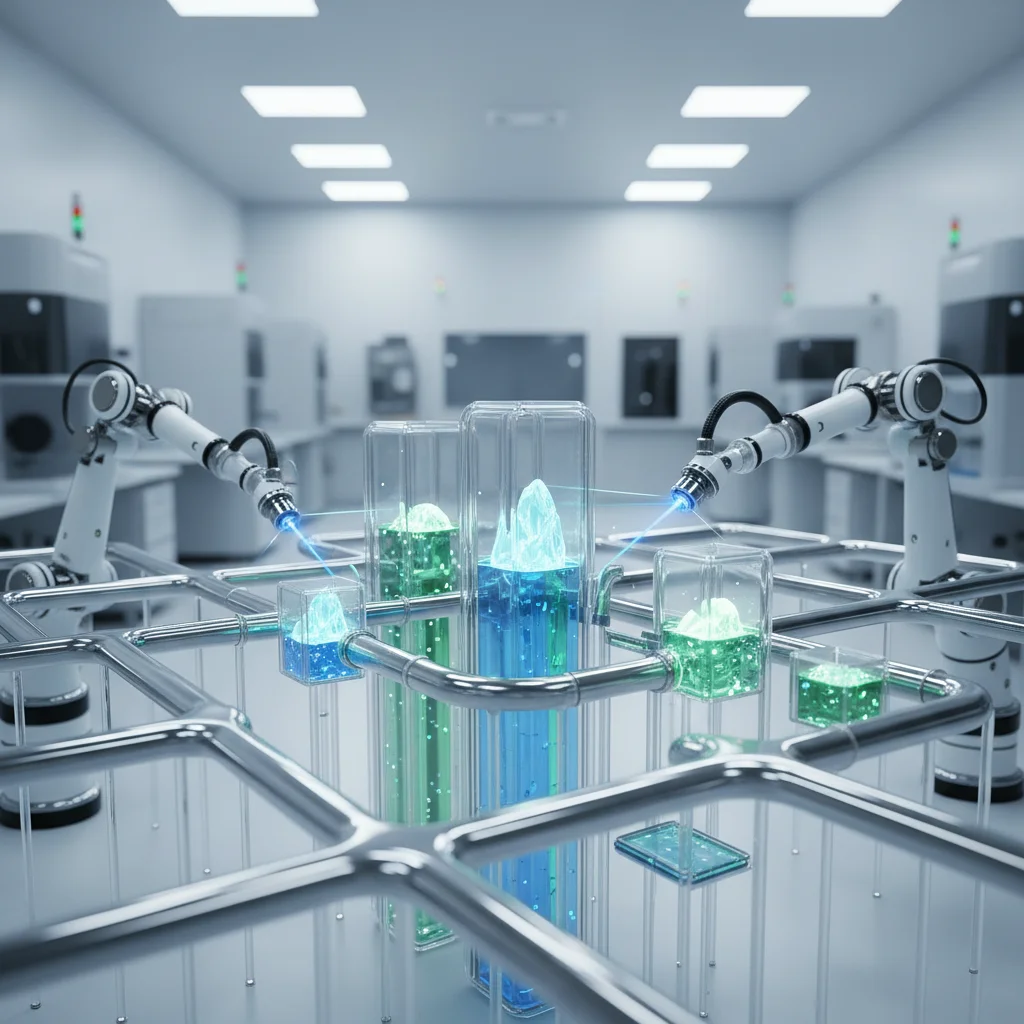
Navigating Manufacturing Hurdles in Biopharma
As biologics take center stage in biopharma, manufacturers face significant hurdles that impact new product launches. This article explores the implications for industry stakeholders. These manufacturing bottlenecks are not just operational headaches; they're potential revenue killers, threatening market share and competitive positioning.
What Are the Key Takeaways?
Biologics are increasingly dominating biopharma pipelines, that's no secret. But manufacturing hurdles are causing delays in product launches, throwing a wrench in carefully laid plans. Understanding these challenges is crucial for strategic planning. Companies must adapt — and fast — to maintain competitive advantage in this rapidly evolving landscape.
What Happened in the Biopharma Landscape?
Recent reports paint a clear picture: biologics are leading the charge in biopharma pipelines. Yet, many new launches are being hindered by manufacturing challenges. This situation raises serious concerns about the ability of companies to meet market demands and capitalize on their R&D investments. The industry is at a critical inflection point.
One major issue? The complexity inherent in manufacturing biologics. These aren't your grandfather's small molecule drugs. They require specialized facilities, stringent quality control, and a deep understanding of cell culture and purification processes. Any hiccup along the way can lead to delays, batch failures, and regulatory scrutiny.
What Does This Mean for Pharma Teams?
The manufacturing hurdles present significant commercial implications. Delays can lead to lost revenue, missed market opportunities, and a tarnished reputation. Pharma teams must strategize to overcome these challenges. Smart teams are considering investments in advanced manufacturing technologies — continuous manufacturing and single-use systems, for example — to improve efficiency and reduce risk.
But it's not just about technology. It's also about talent. A skilled workforce is essential for navigating the complexities of biologics manufacturing. Companies need to invest in training and development to ensure they have the expertise needed to succeed. Here's the bottom line: manufacturing is no longer just a back-end operation. It's a strategic imperative that can make or break a product launch.
What's next? Expect increased scrutiny from regulatory agencies, a greater emphasis on supply chain resilience, and a growing demand for innovative manufacturing solutions. The companies that can master these challenges will be the ones that thrive in the era of biologics.